
Paintings At Buscot Park
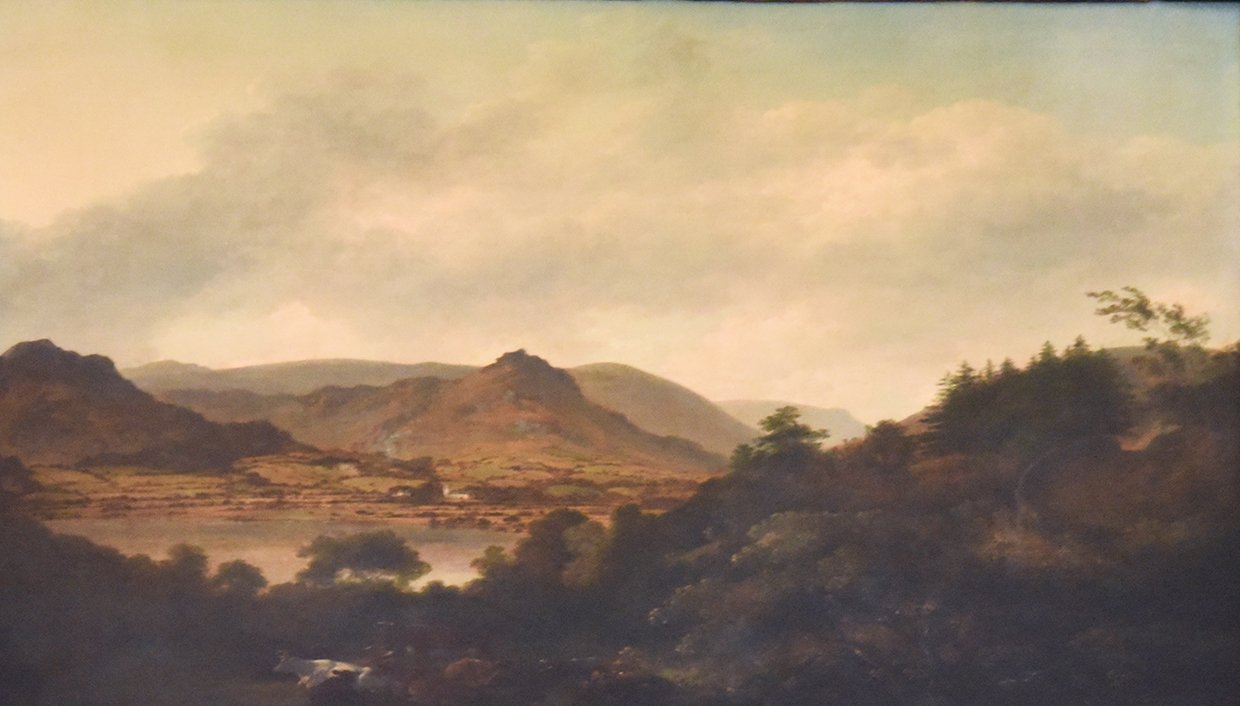

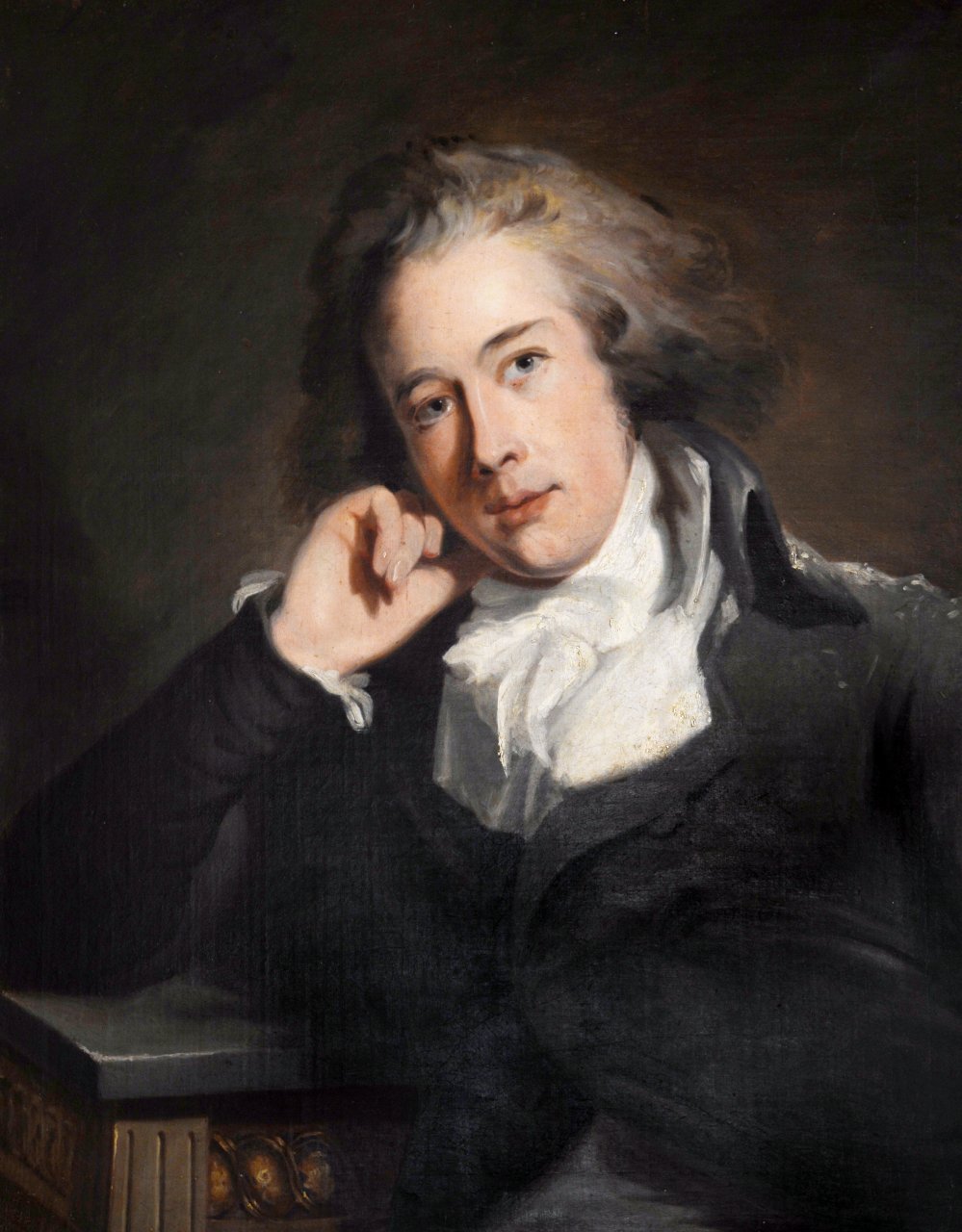
Catalogue No. 9
Hoppner, John (Manner Of)
Portrait of a Gentleman
Early 19th C
Oil on Canvas 29½ x 24½ ins
Hoppner, John (Manner Of)
Portrait of a Gentleman
Early 19th C
Oil on Canvas 29½ x 24½ ins
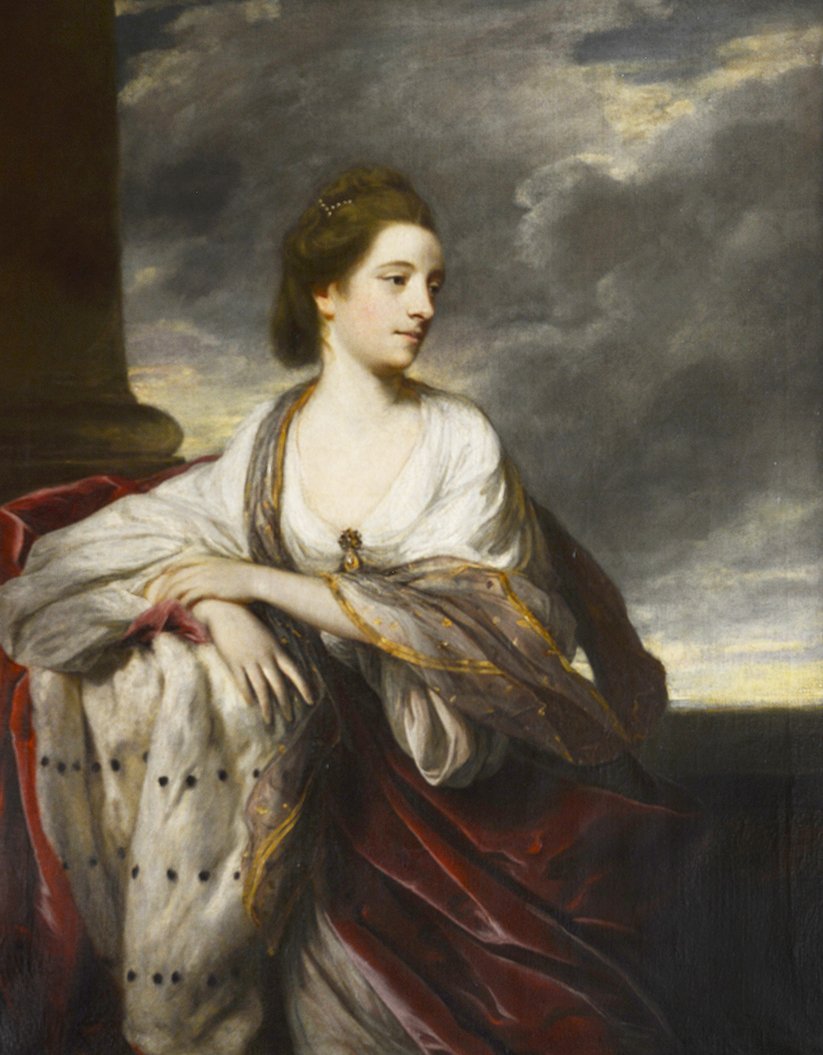
Catalogue No. 10
Reynolds, Sir Joshua, PRA
Hon Barbara St John, Countess of Coventry
1723-92
Oil on Canvas 50 x 40 ins
Reynolds, Sir Joshua, PRA
Hon Barbara St John, Countess of Coventry
1723-92
Oil on Canvas 50 x 40 ins
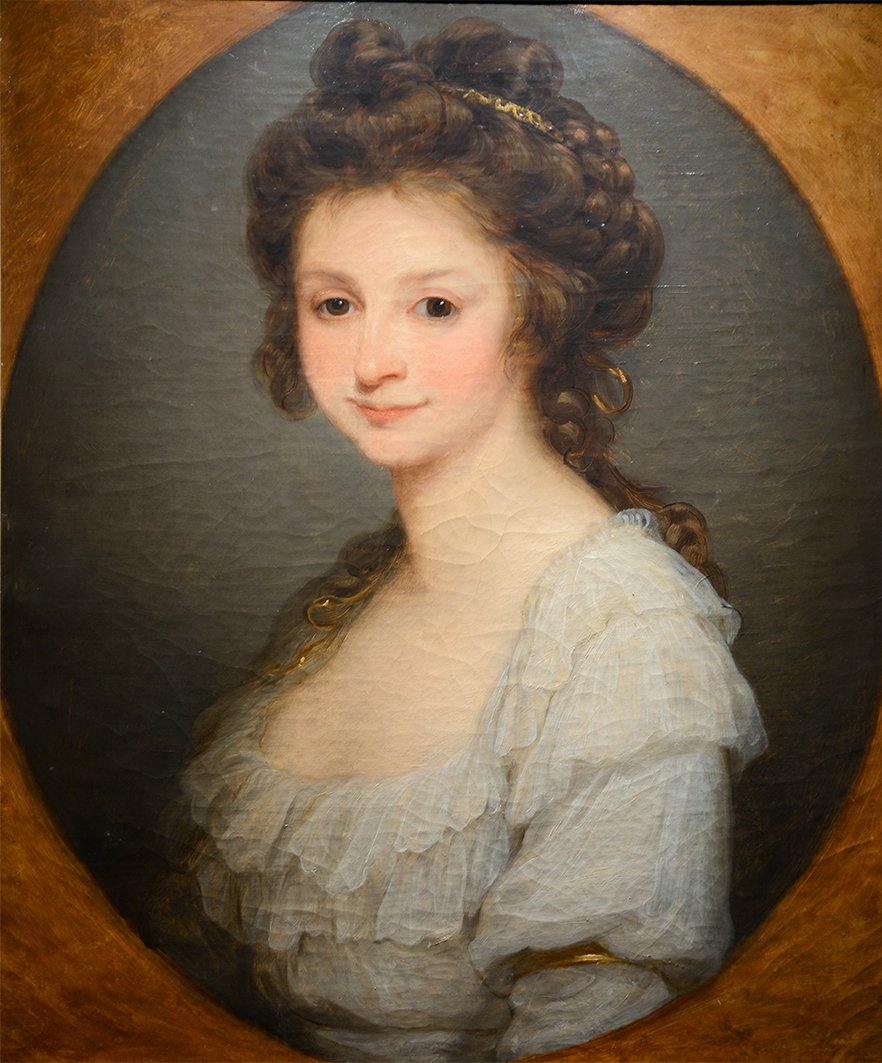
Catalogue No. 11
Kauffmann, Angelica, RA
Portrait of Signorina Paolina Memmo
1741-1807
Oil on Canvas 24¾ x 20½ ins, in a painted oval
Kauffmann, Angelica, RA
Portrait of Signorina Paolina Memmo
1741-1807
Oil on Canvas 24¾ x 20½ ins, in a painted oval
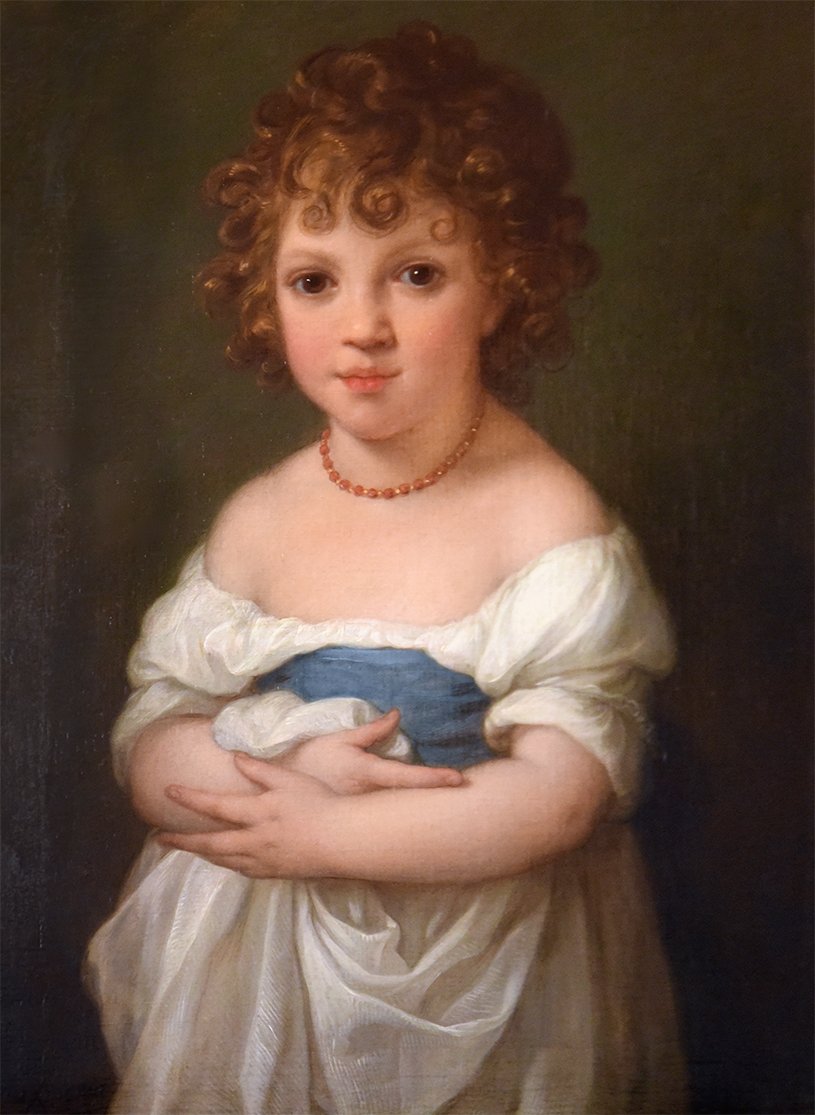
Catalogue No. 12
Kauffmann, Angelica, RA
Portrait of Elizabeth Temple as a child
1793
Oil on Canvas 24¾ x 20½ ins
Kauffmann, Angelica, RA
Portrait of Elizabeth Temple as a child
1793
Oil on Canvas 24¾ x 20½ ins
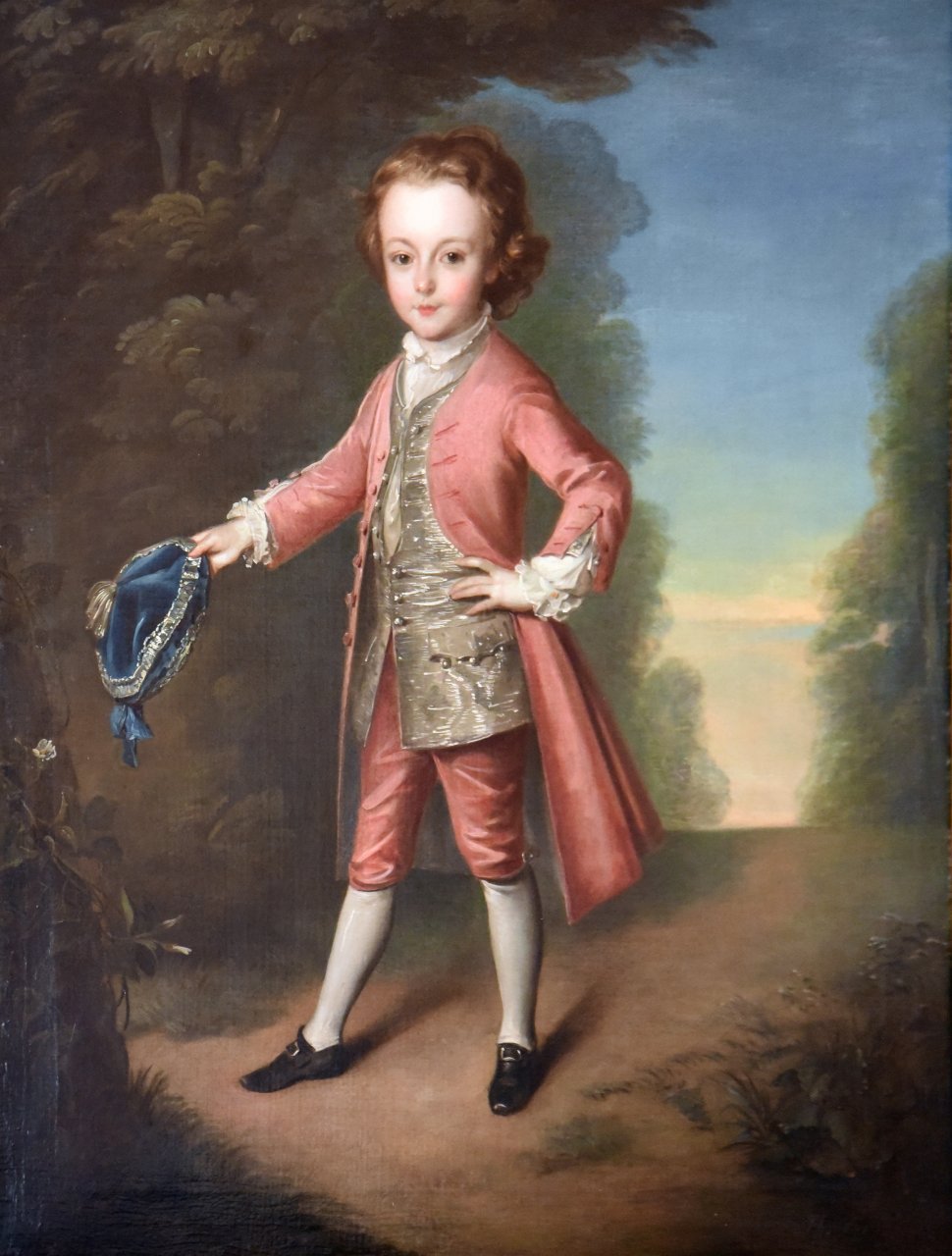
Catalogue No. 13
Mercier, Philippe
Portrait of the Hon Robert Dalzell, as a boy
1689-1760
Oil on Canvas 48¾ x 39½ ins
Mercier, Philippe
Portrait of the Hon Robert Dalzell, as a boy
1689-1760
Oil on Canvas 48¾ x 39½ ins
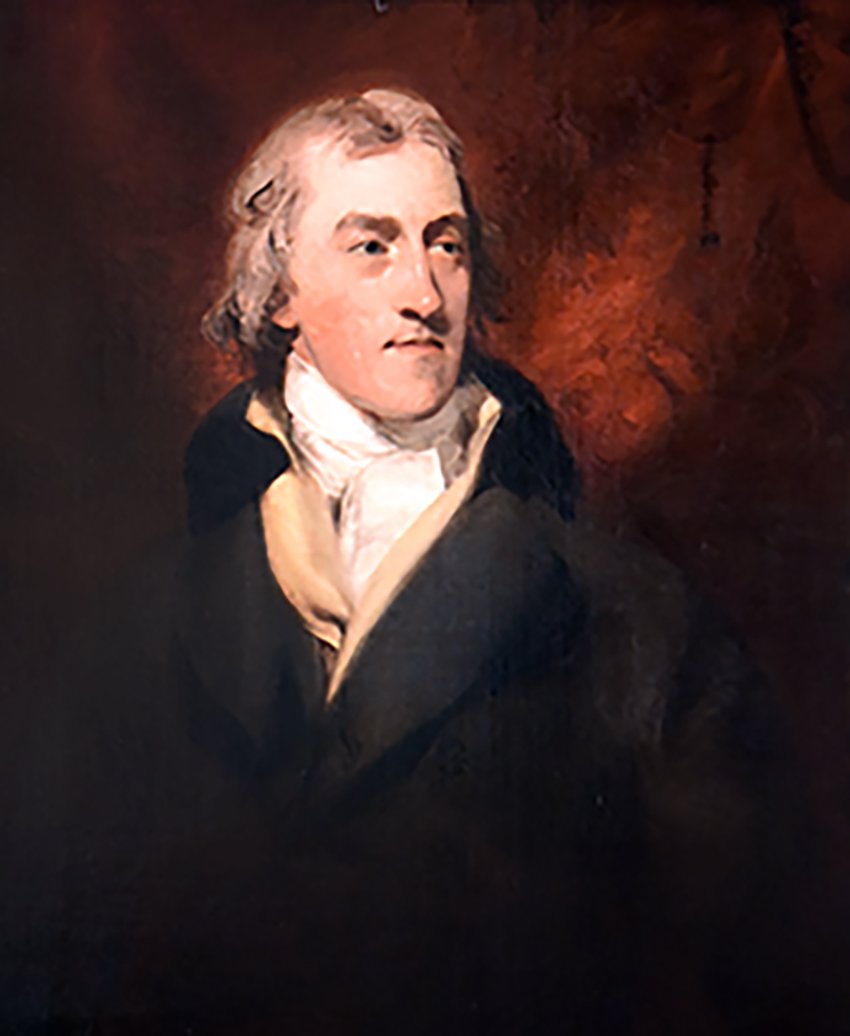
Catalogue No. 14
Lawrence, Sir Thomas P RA
Portrait of a Gentleman
1769-1830
Oil on Canvas 30 x 25 ins
Lawrence, Sir Thomas P RA
Portrait of a Gentleman
1769-1830
Oil on Canvas 30 x 25 ins
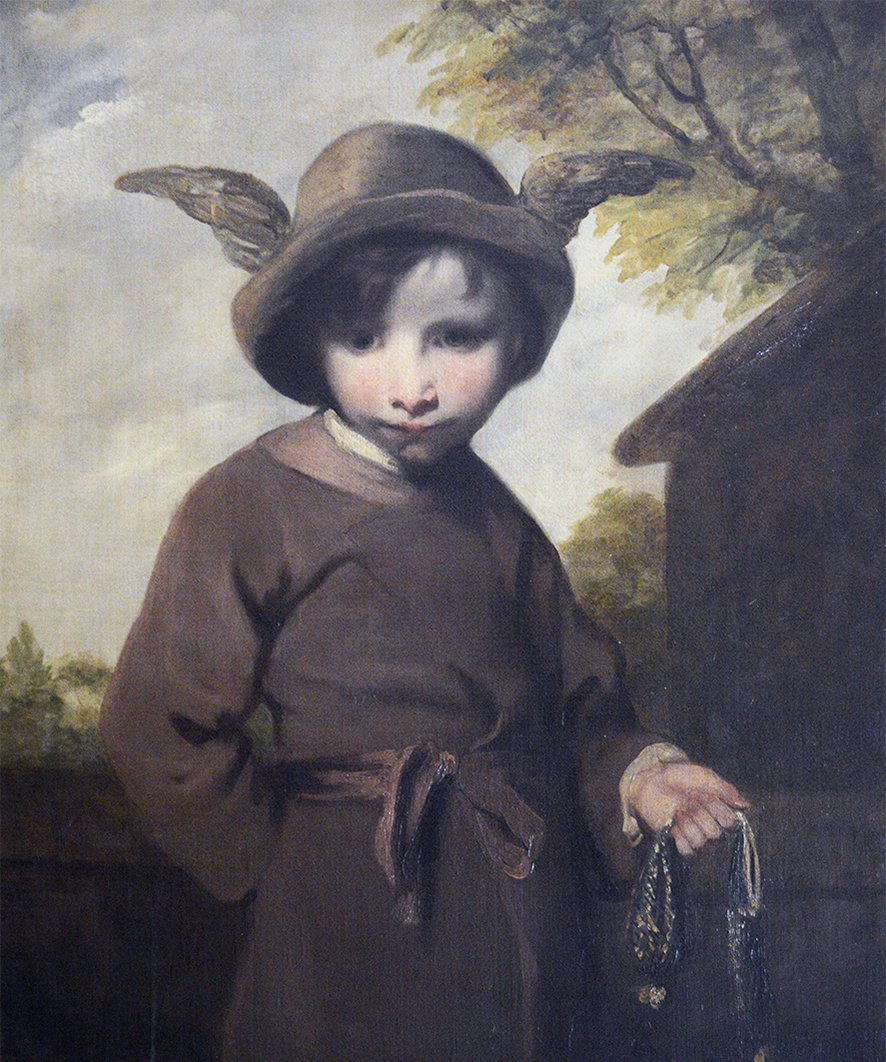
Catalogue No. 15
Reynolds, Sir Joshua, PRA
Mercury as a Cut Purse
1723-92
Oil on Canvas (fine linen) 30 x 25 ins
Reynolds, Sir Joshua, PRA
Mercury as a Cut Purse
1723-92
Oil on Canvas (fine linen) 30 x 25 ins
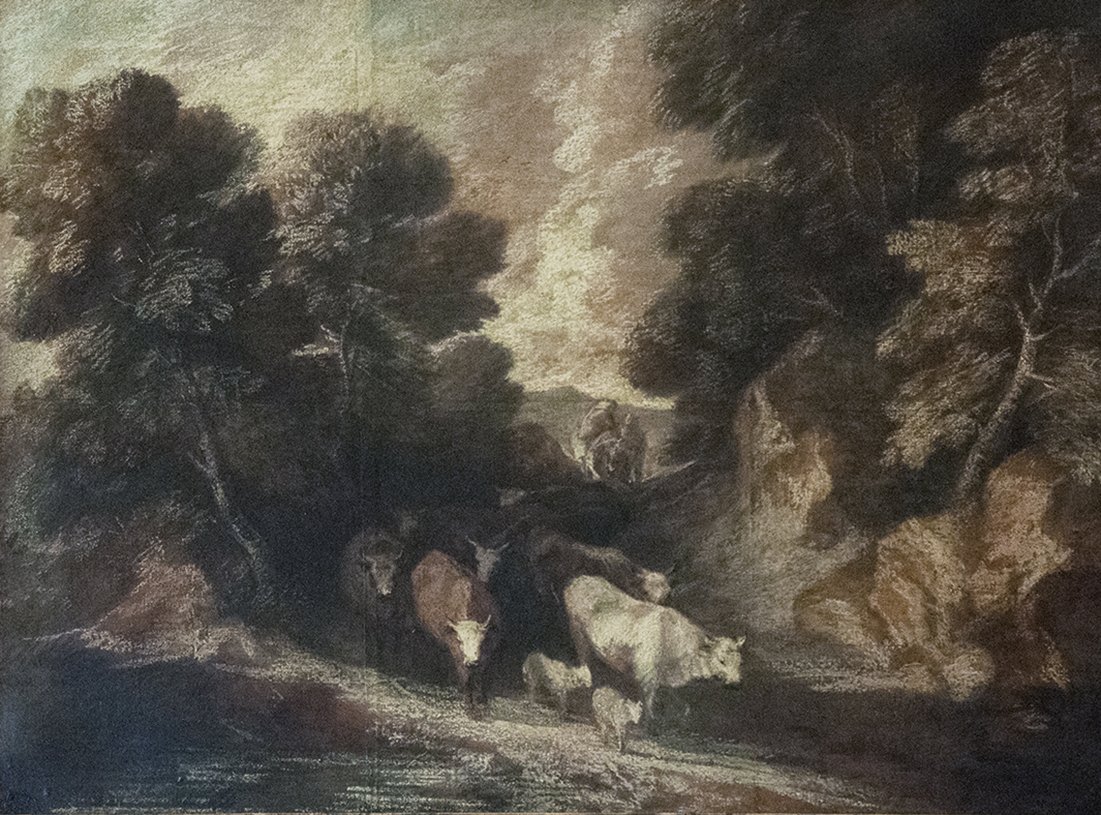
Catalogue No. 16
Gainsborough, Thomas RA
Cattle Returning Along a Wooded Lane
1727–88
Watercolour and oil on 6 sheets of brown tinted paper, joined together and mounted on canvas 39½ x 49 ins.
Gainsborough, Thomas RA
Cattle Returning Along a Wooded Lane
1727–88
Watercolour and oil on 6 sheets of brown tinted paper, joined together and mounted on canvas 39½ x 49 ins.
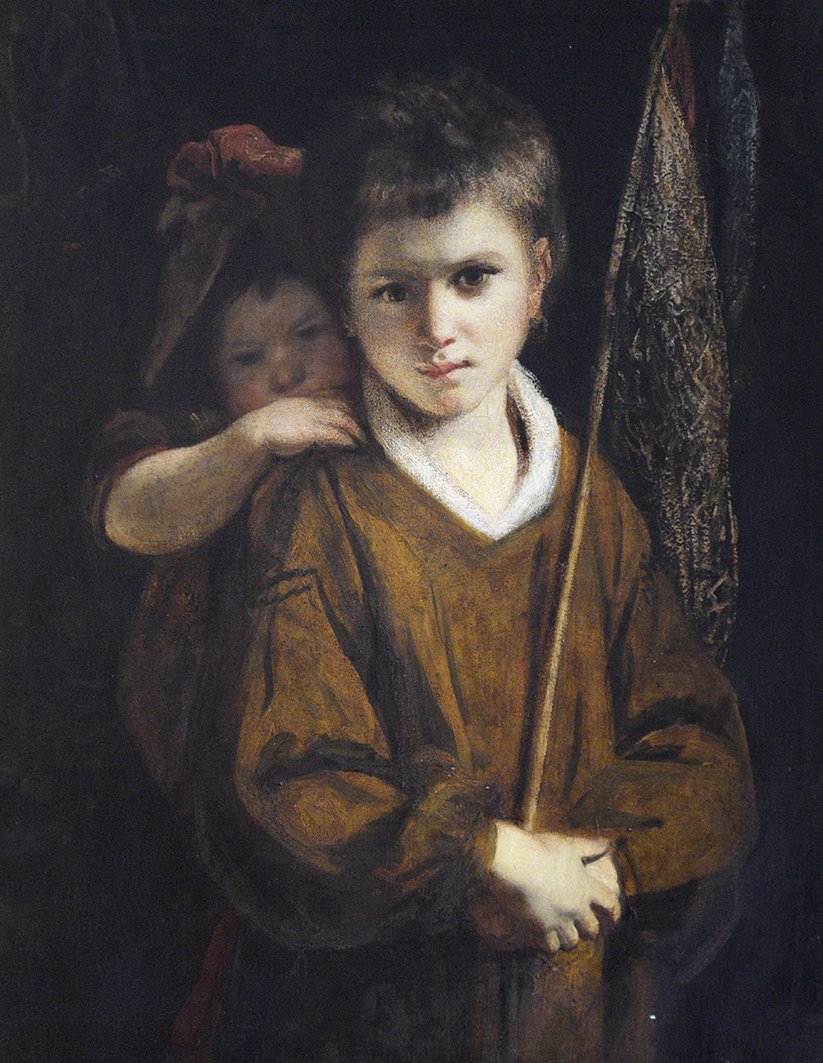
Catalogue No. 17
Reynolds, Sir Joshua, PRA
A Beggar Boy and His Sister
c 1775
Oil on Canvas 30 x 24¾ ins.
Reynolds, Sir Joshua, PRA
A Beggar Boy and His Sister
c 1775
Oil on Canvas 30 x 24¾ ins.
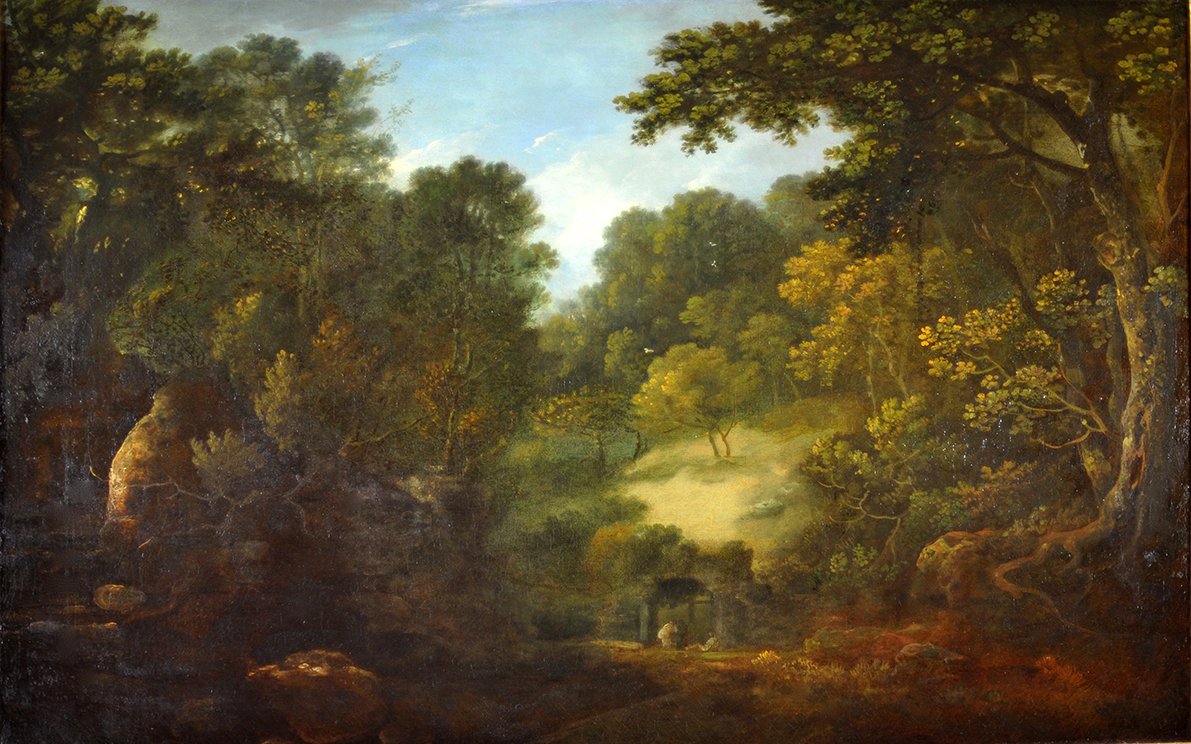
Catalogue No. 18
Wilson, Richard, RA
A View of the Villa Chigi at Ariccia
1713/14 -1782
Oil on Canvas 28½ x 38½ ins
Wilson, Richard, RA
A View of the Villa Chigi at Ariccia
1713/14 -1782
Oil on Canvas 28½ x 38½ ins
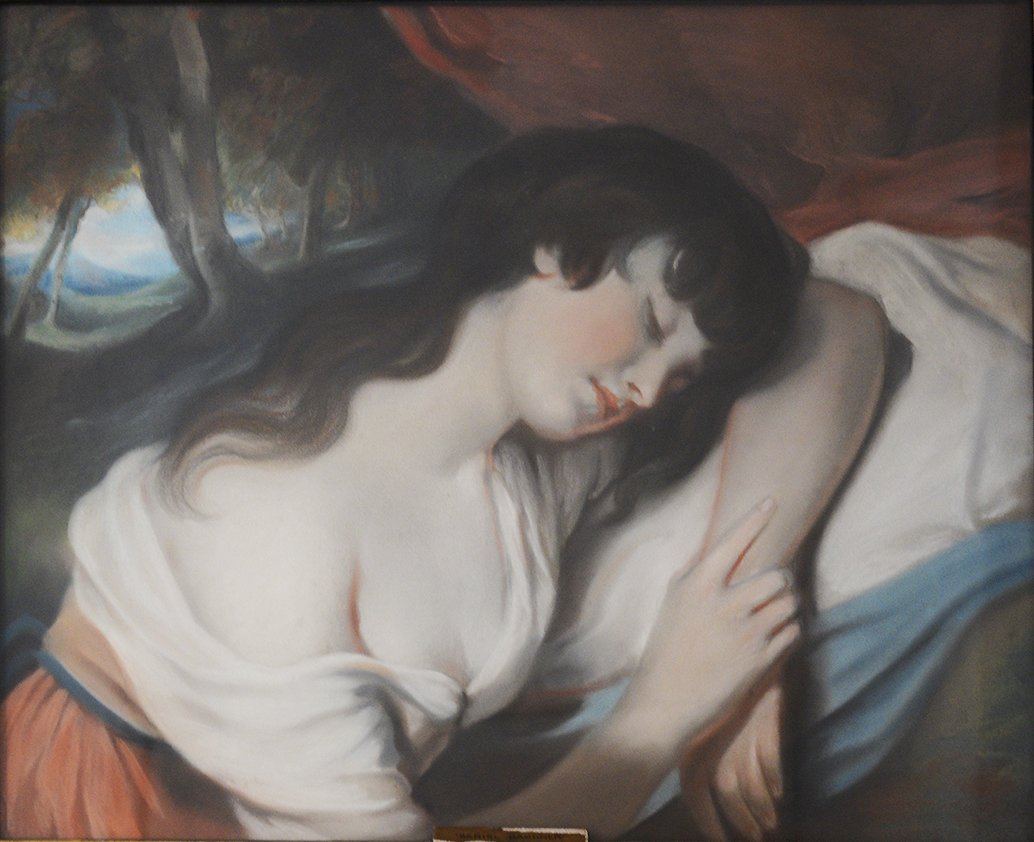
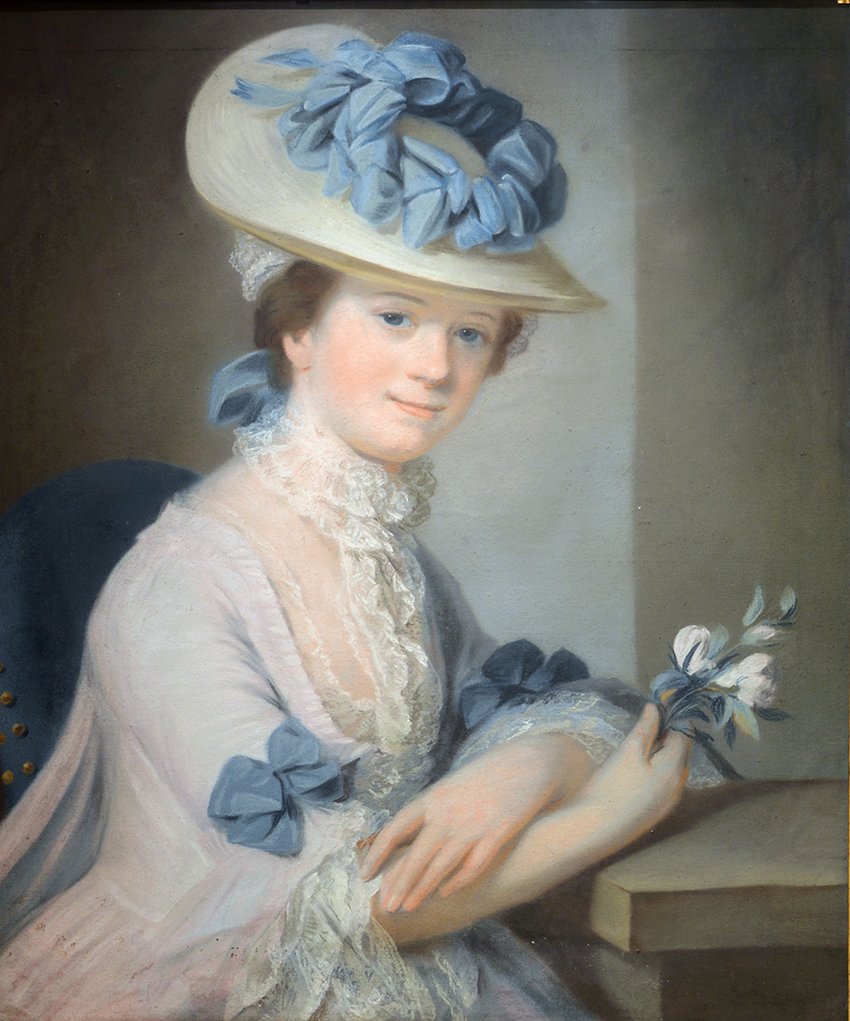
Catalogue No. 20
Read, Katherine (Attributed To)
Supposed Portrait of Polly Jones
1723-78
Pastel on grey paper 28¾ x 23 ins
Read, Katherine (Attributed To)
Supposed Portrait of Polly Jones
1723-78
Pastel on grey paper 28¾ x 23 ins
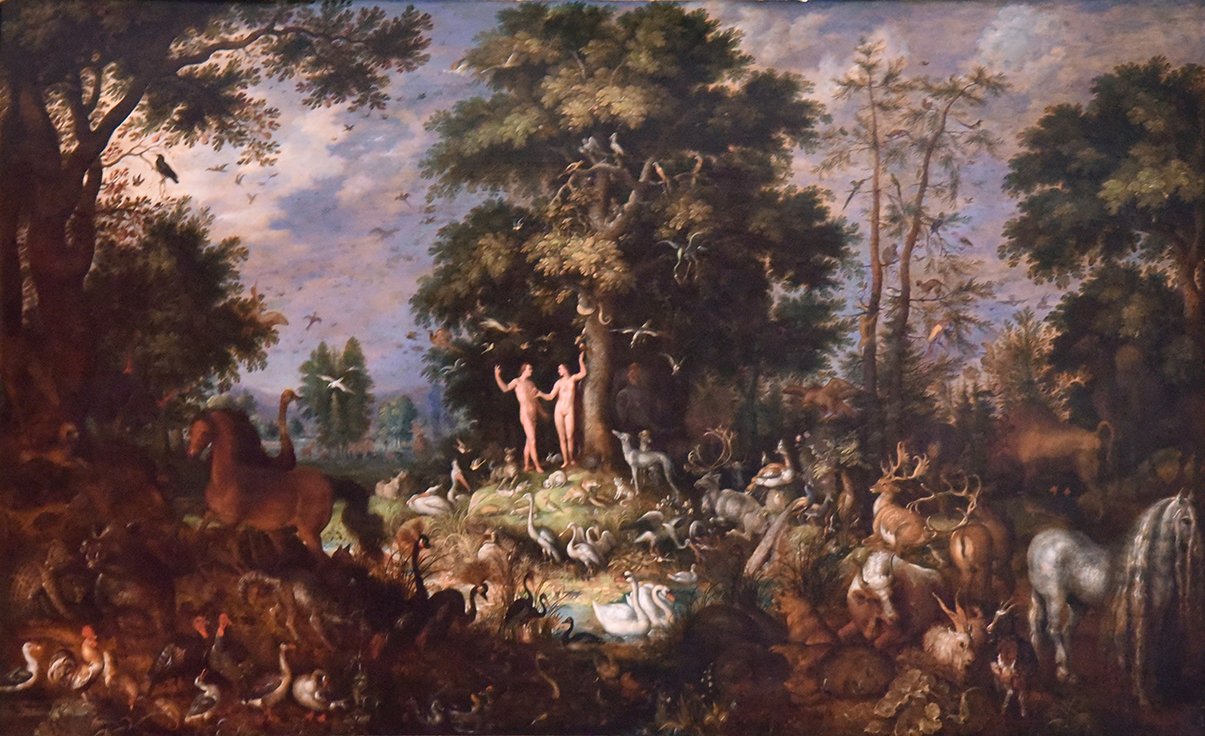
Catalogue No. 21
Savery, Roelandt
The Temptation In the Garden of Eden
1576(?)-1639
Oil on Panel (oak) 31 x 52½ ins Signed and Dated
Savery, Roelandt
The Temptation In the Garden of Eden
1576(?)-1639
Oil on Panel (oak) 31 x 52½ ins Signed and Dated
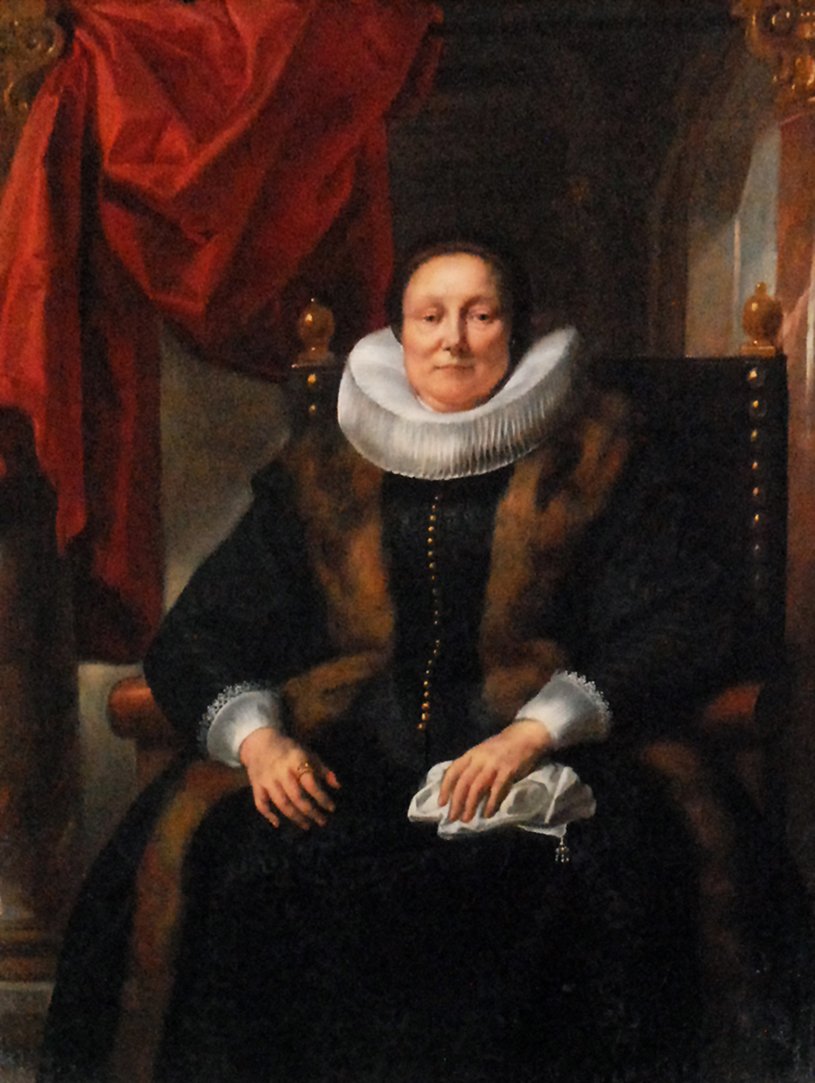
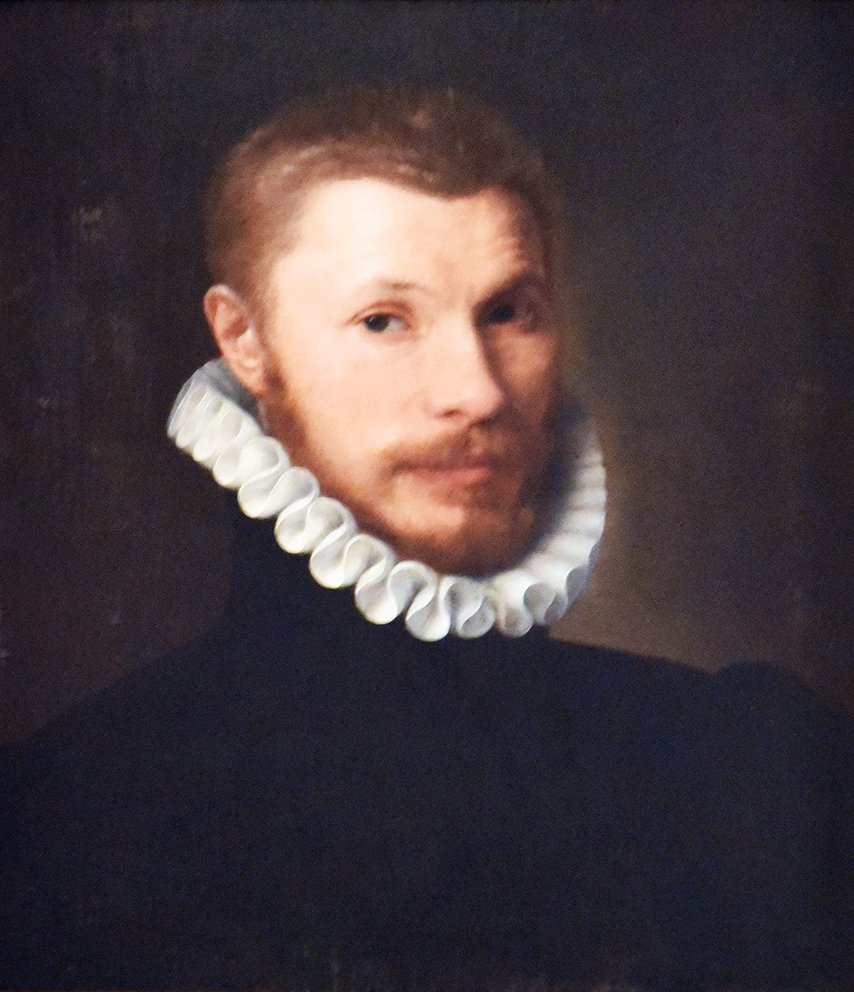
Catalogue No. 24
Key, Adriaen Thomas
A Man Aged Thirty-Four
1544 (?)-1589
Oil on Panel 20 x 15½ ins Inscribed
Key, Adriaen Thomas
A Man Aged Thirty-Four
1544 (?)-1589
Oil on Panel 20 x 15½ ins Inscribed
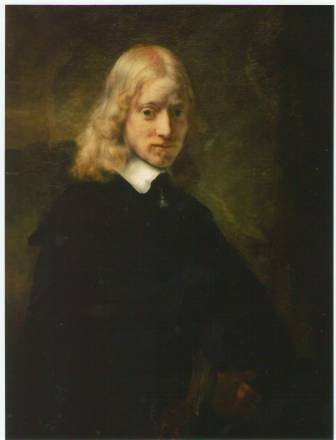
Catalogue No. 25
Rembrandt, Harmenszoon van Rijn
Portrait of ?Pieter Six
1606-69
Oil on Canvas 37 x 29½ ins Signed: Rembrandt f.
Rembrandt, Harmenszoon van Rijn
Portrait of ?Pieter Six
1606-69
Oil on Canvas 37 x 29½ ins Signed: Rembrandt f.
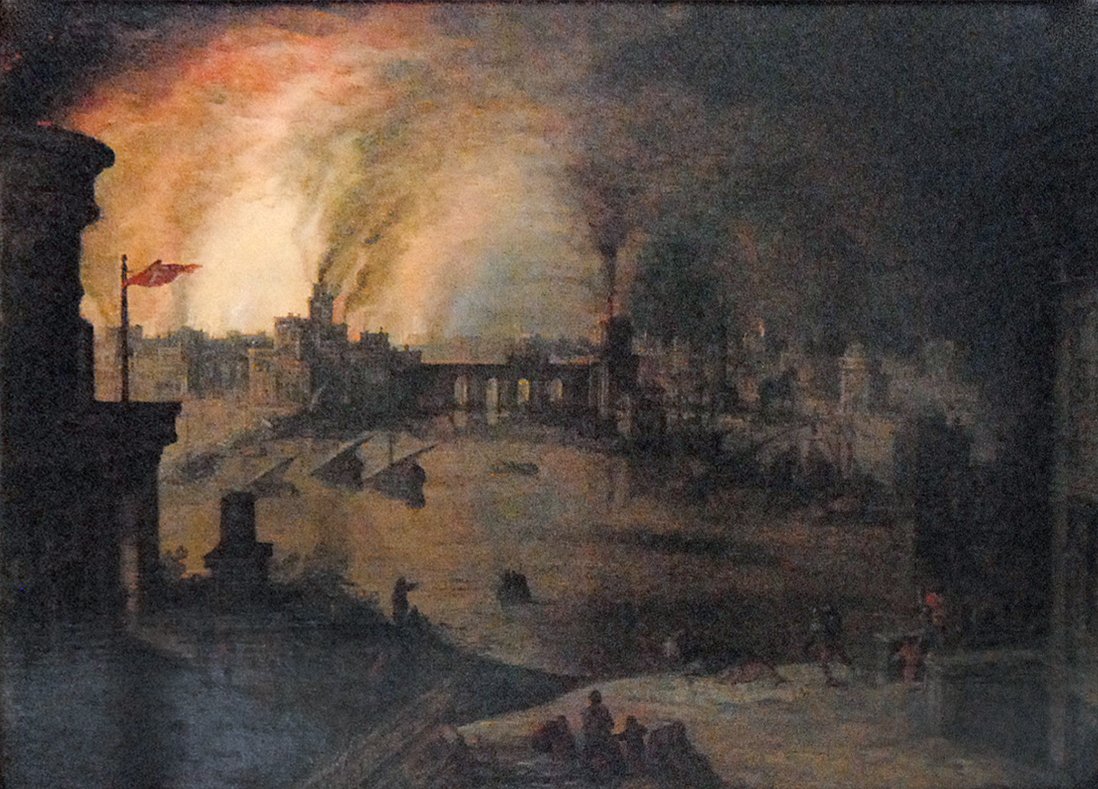
Catalogue No. 26
Heil, Daniel van (Attributed To)
The Fall of Troy
c.1620
Oil on Panel (oak) 13 x 21½ ins
Heil, Daniel van (Attributed To)
The Fall of Troy
c.1620
Oil on Panel (oak) 13 x 21½ ins
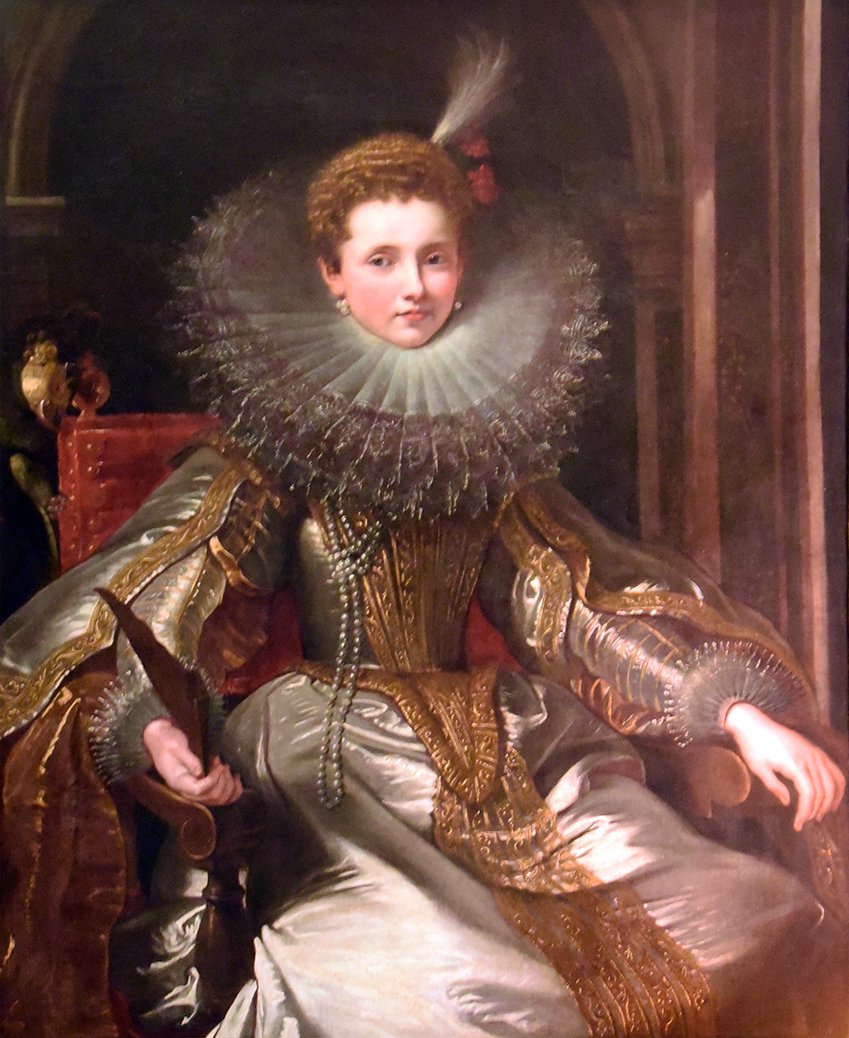
Catalogue No. 28
Rubens, Sir Peter Paul
Portrait of Violante Maria Spinola Serra
c. 1607
Oil on Canvas 52 x 41½ ins
Rubens, Sir Peter Paul
Portrait of Violante Maria Spinola Serra
c. 1607
Oil on Canvas 52 x 41½ ins
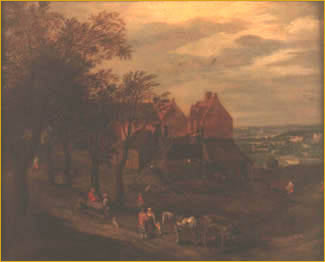
Catalogue No. 29
Breughel, Jan (The Elder), Manner of
A Landscape with Avenue, Figures Etc
1568-1625
Oil on Panel (oak) 12¾ x 15½ ins
Breughel, Jan (The Elder), Manner of
A Landscape with Avenue, Figures Etc
1568-1625
Oil on Panel (oak) 12¾ x 15½ ins
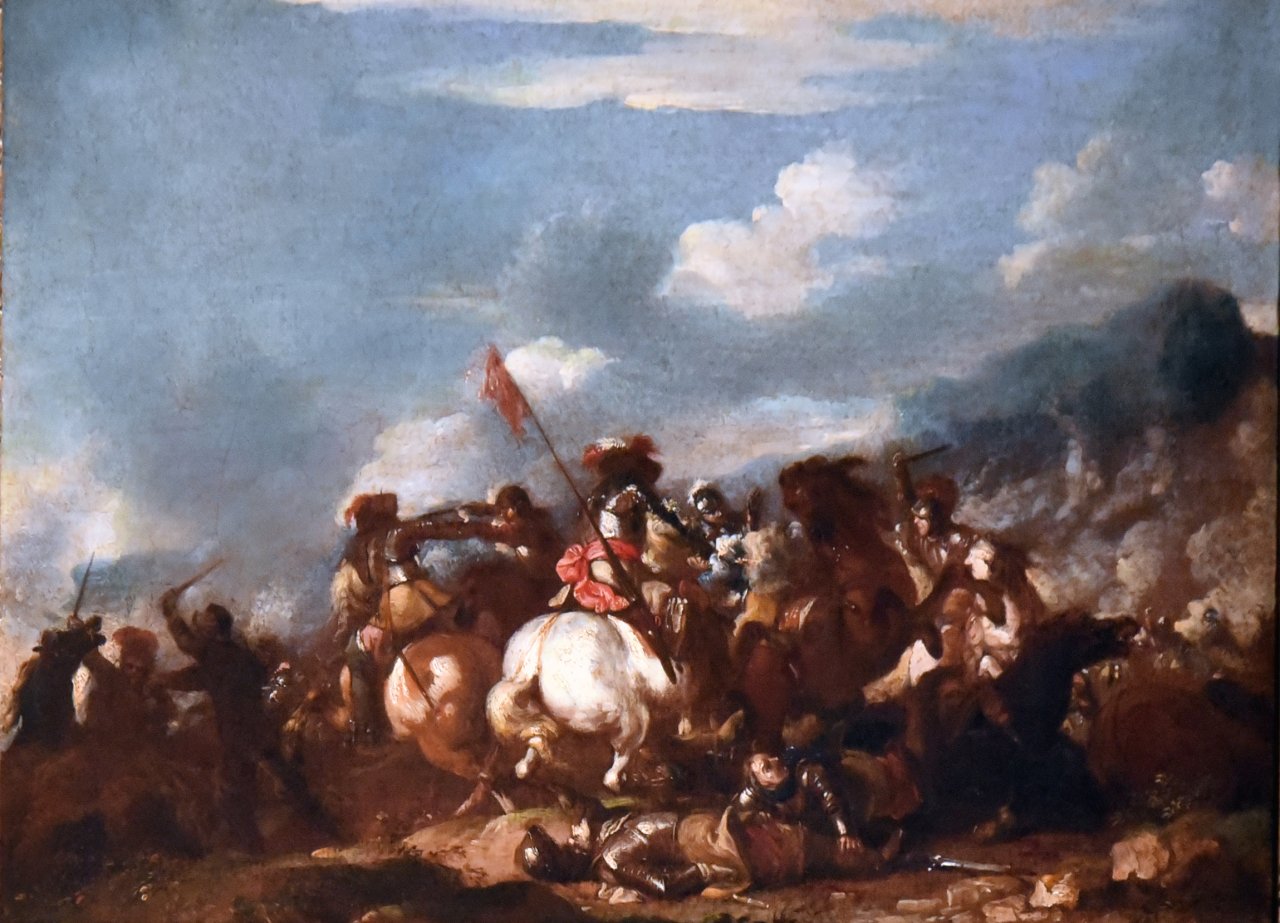
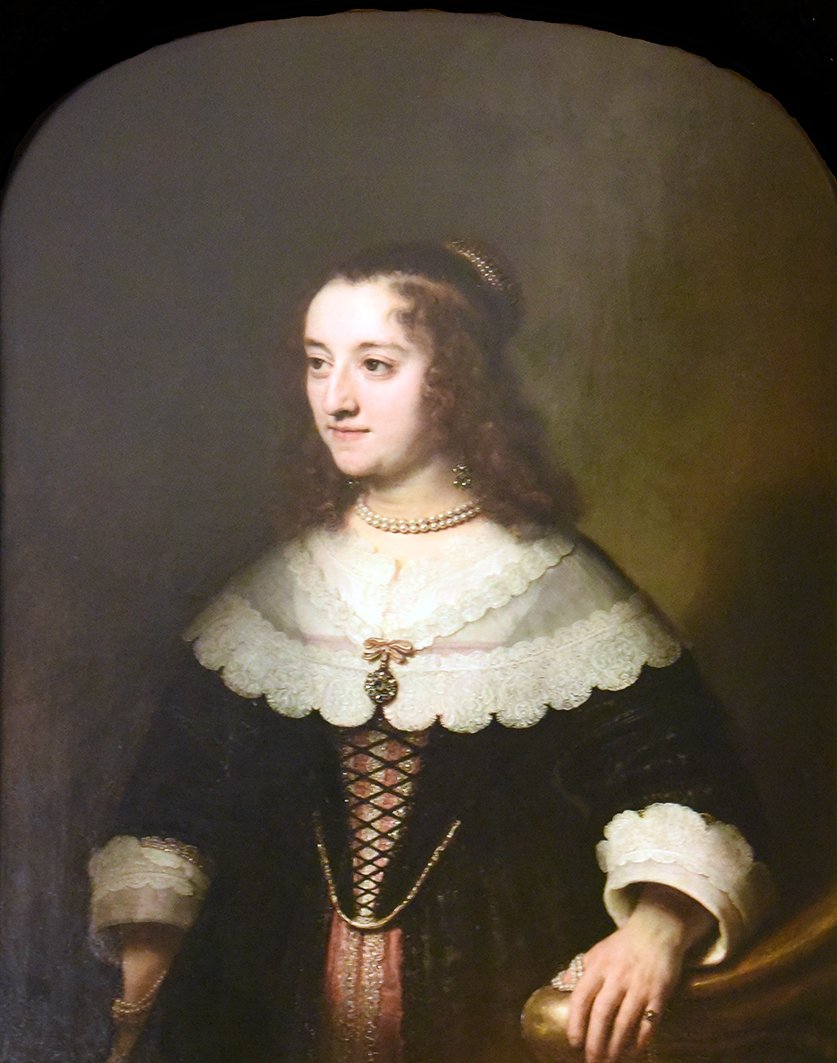
Catalogue No. 31
Bol, Ferdinand
Portrait of An Unknown Lady
1606-69
Oil on Panel (oak) 37¼ x 29½ ins Inscribed and dated: Rembrandt ft/1644
Bol, Ferdinand
Portrait of An Unknown Lady
1606-69
Oil on Panel (oak) 37¼ x 29½ ins Inscribed and dated: Rembrandt ft/1644
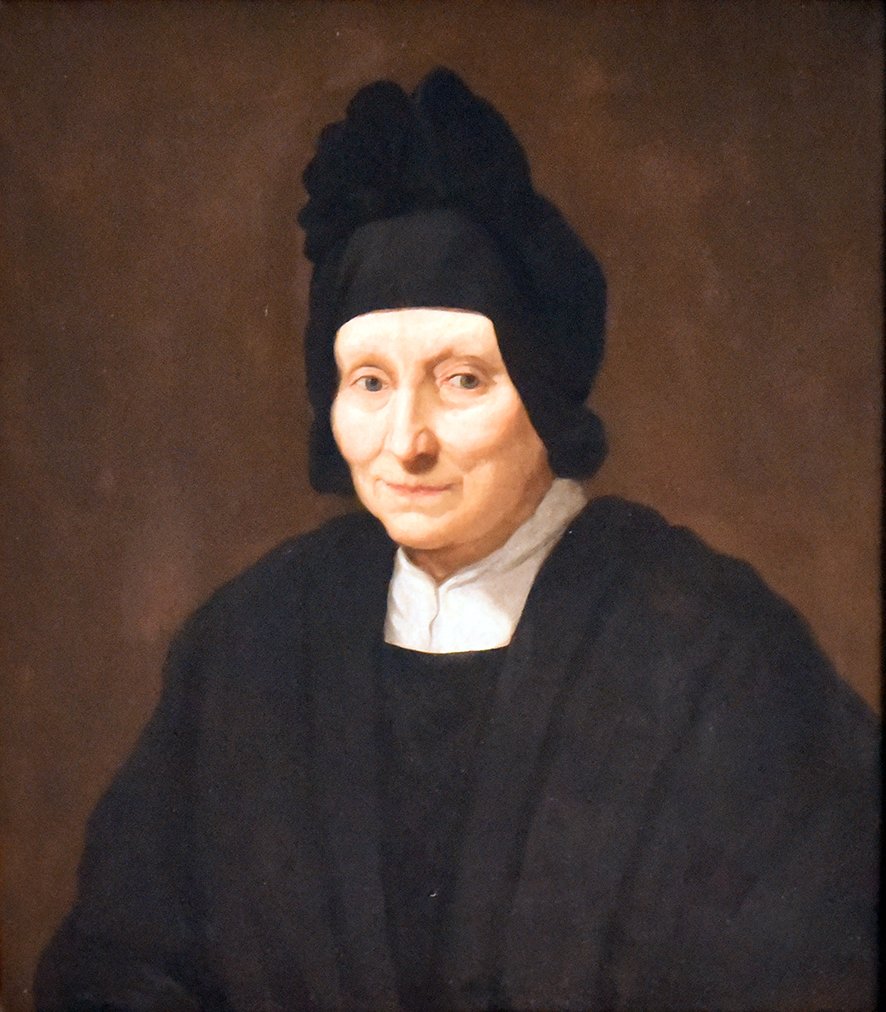
Catalogue No. 32
Bray, Jan De, Manner of
Portrait of An Unknown Woman
1626/7 (?) -1697
Oil on Canvas 22 x 19 ins
Bray, Jan De, Manner of
Portrait of An Unknown Woman
1626/7 (?) -1697
Oil on Canvas 22 x 19 ins
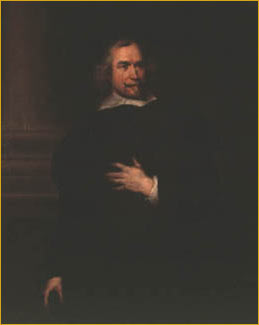
Catalogue No. 33
Dyck, Sir A. Van, Follower of
Portrait of An Unknown Gentleman
c. 1640-60
Oil on Canvas 49 x 40 ins Inscribed and dated (presumably a later addition): A. Vandyck P/163(?)7
Dyck, Sir A. Van, Follower of
Portrait of An Unknown Gentleman
c. 1640-60
Oil on Canvas 49 x 40 ins Inscribed and dated (presumably a later addition): A. Vandyck P/163(?)7
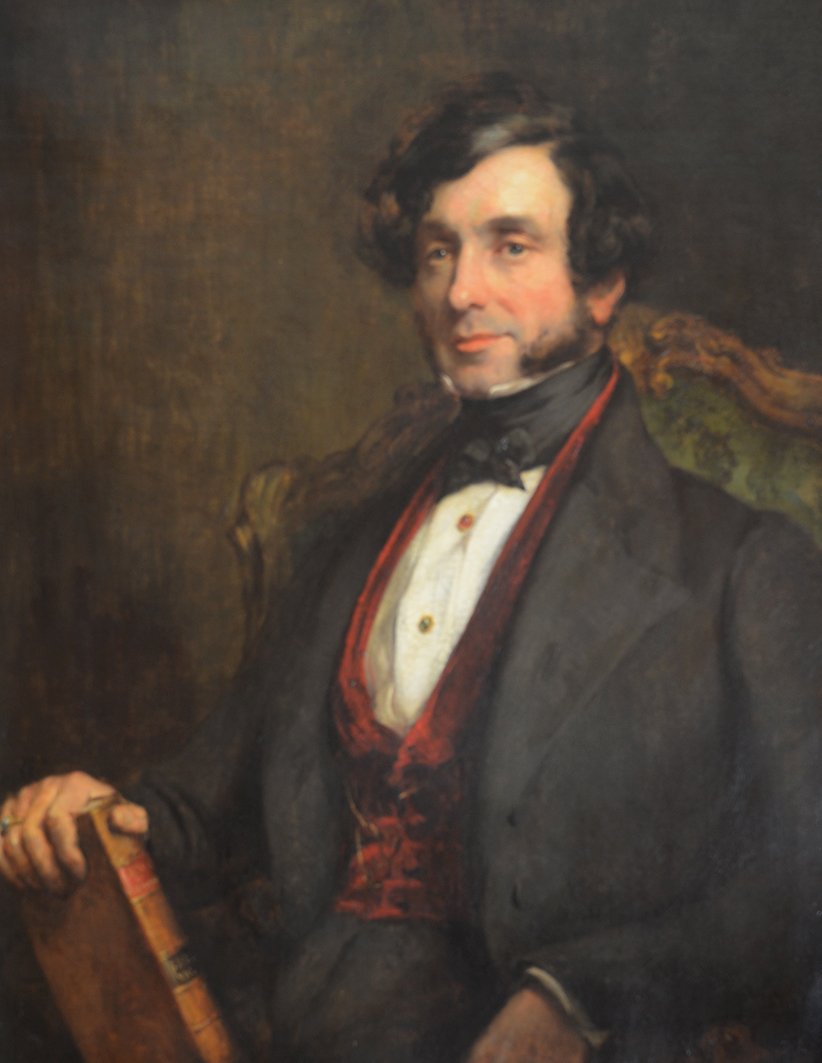
Catalogue No. 34
Say, Frederick Richard, RA (Attributed To)
Portrait of Anthony Ashley Cooper, 7th Earl of Shaftesbury
1805-60
Oil on Canvas 44 x 36 ins
Say, Frederick Richard, RA (Attributed To)
Portrait of Anthony Ashley Cooper, 7th Earl of Shaftesbury
1805-60
Oil on Canvas 44 x 36 ins
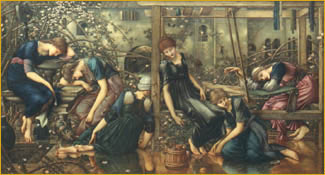
Catalogue No. 35
Burne-Jones, Sir Edward Coley, Bt., A.R.A.
The Briar Rose Series: the Garden Court
1833-98
Oil on Canvas 49 ¼ by 91 ins Signed and dated: E B J 1870/1890
Burne-Jones, Sir Edward Coley, Bt., A.R.A.
The Briar Rose Series: the Garden Court
1833-98
Oil on Canvas 49 ¼ by 91 ins Signed and dated: E B J 1870/1890
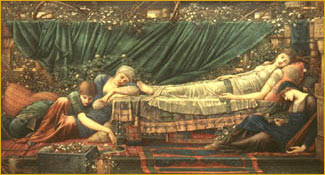
Catalogue No. 36
Burne-Jones, Sir Edward Coley, Bt., A.R.A.
The Briar Rose Series: the Rose Bower
1833-98
Oil on Canvas 49¼ x 90 ins. Signed and dated: E B J 1870/1890
Burne-Jones, Sir Edward Coley, Bt., A.R.A.
The Briar Rose Series: the Rose Bower
1833-98
Oil on Canvas 49¼ x 90 ins. Signed and dated: E B J 1870/1890
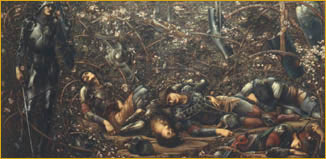
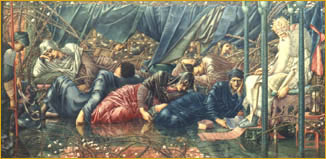
Catalogue No. 38
Burne-Jones, Sir Edward Coley, Bt., A.R.A.
The Briar Rose Series: the Council Chamber
Burne-Jones, Sir Edward Coley, Bt., A.R.A.
The Briar Rose Series: the Council Chamber
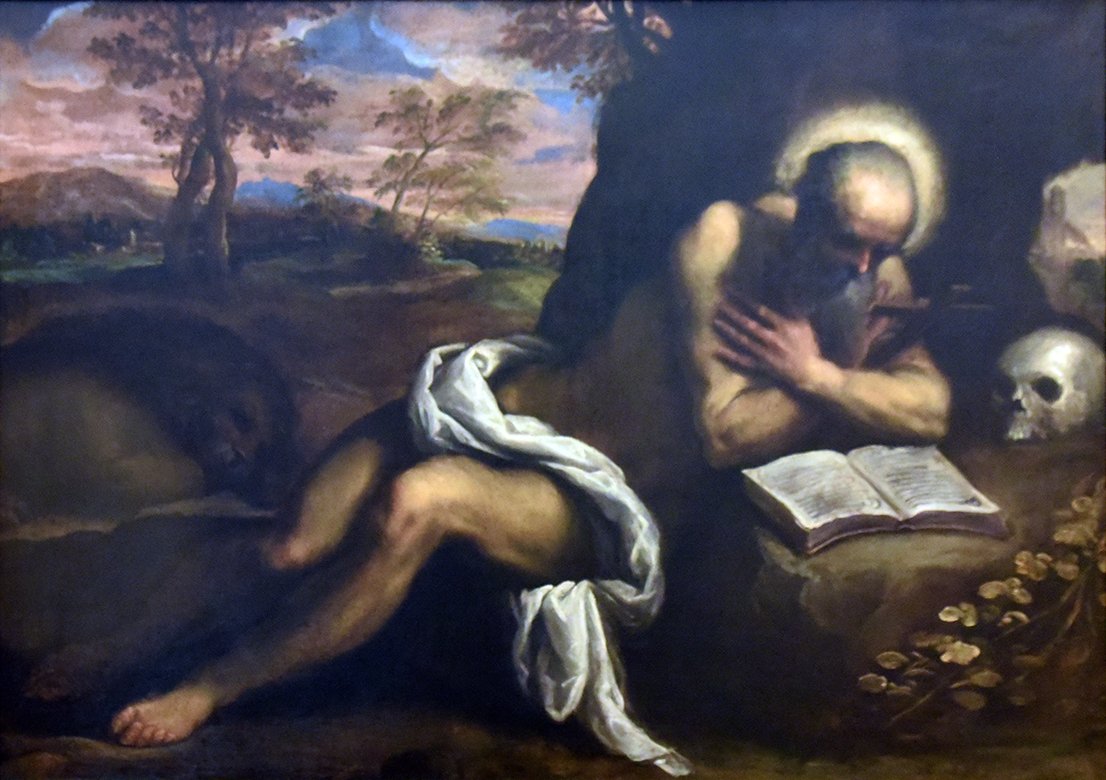
Catalogue No. 41
Palma Giovane (Jacopo Negretti)
St Jerome Contemplating In a Landscape
1544-1628
Oil on Canvas 38¾ x 55¾ ins
Palma Giovane (Jacopo Negretti)
St Jerome Contemplating In a Landscape
1544-1628
Oil on Canvas 38¾ x 55¾ ins
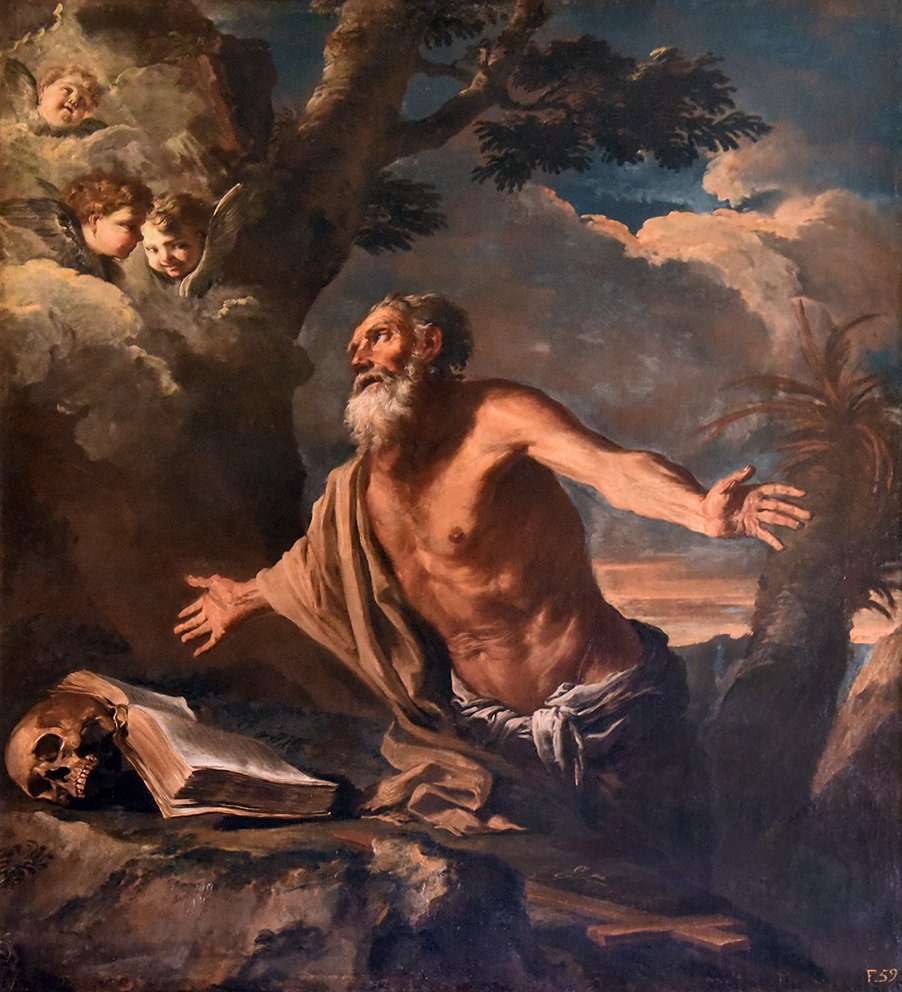
Catalogue No. 42
Pace, Giovanni Battista
St Jerome, Half Length, Kneeling In a Landscape
Late 17th C
Oil on Canvas 69 x 59½ ins Inscribed: F 59
Pace, Giovanni Battista
St Jerome, Half Length, Kneeling In a Landscape
Late 17th C
Oil on Canvas 69 x 59½ ins Inscribed: F 59
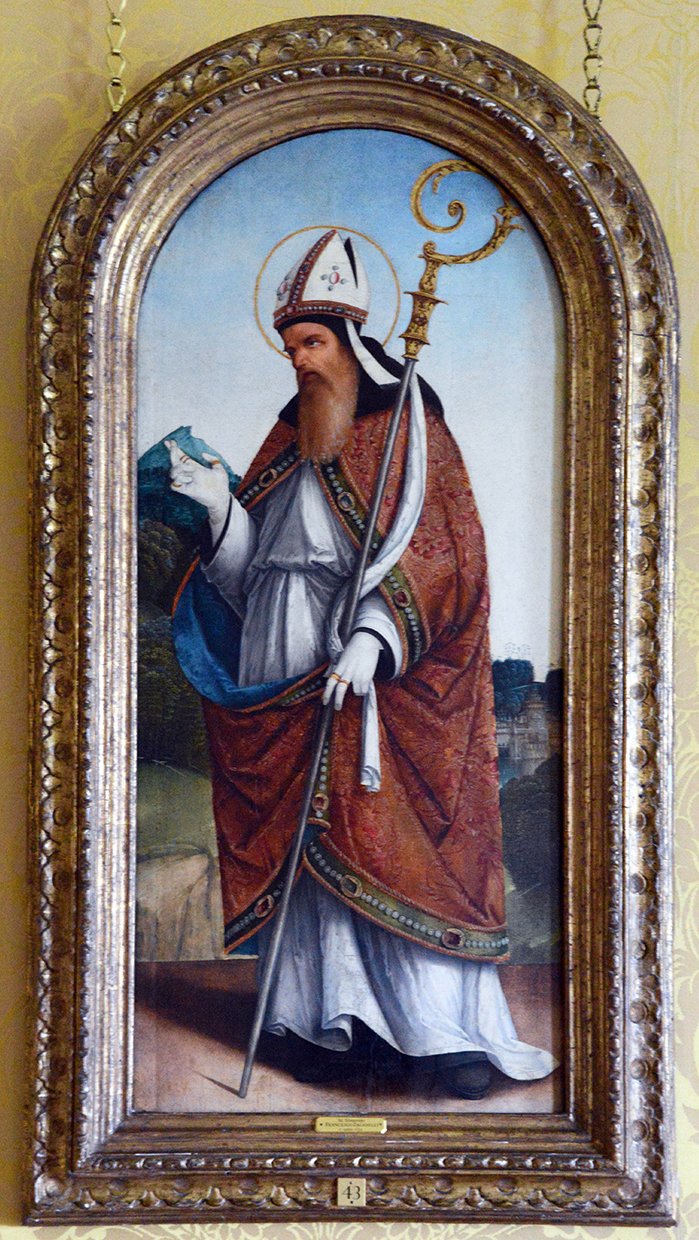
Catalogue No. 43
Cotignola, Francesco Zaganelli,da
St Simeon, Full Length
c.1499-1532 (FRANCESCO); c.1499-1509 (BERNARDINO)
Oil on Panel 36½ x 16 ins
Cotignola, Francesco Zaganelli,da
St Simeon, Full Length
c.1499-1532 (FRANCESCO); c.1499-1509 (BERNARDINO)
Oil on Panel 36½ x 16 ins
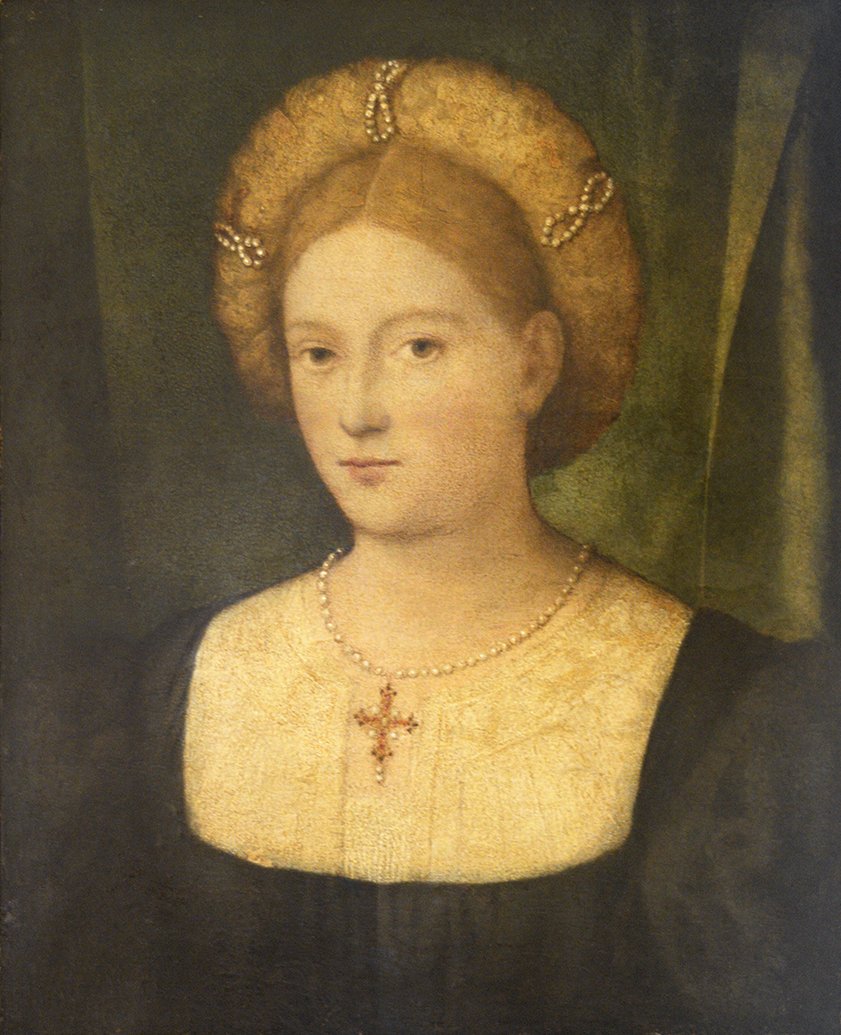
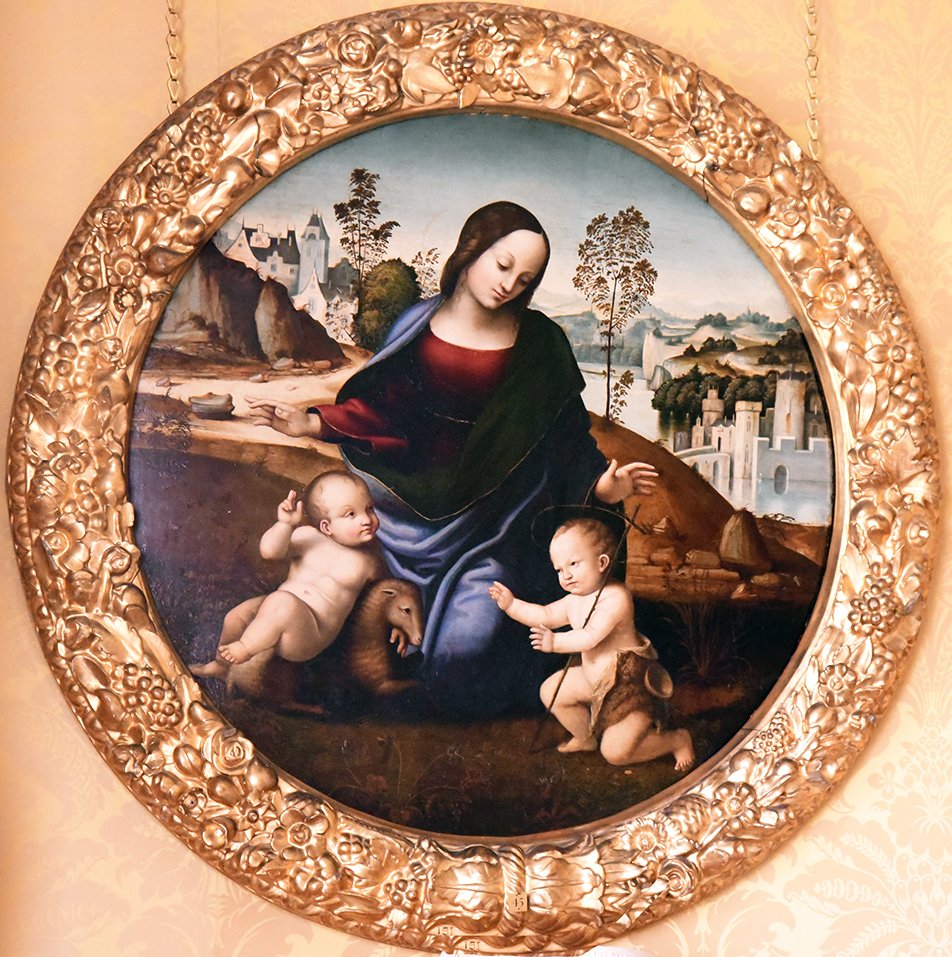
Catalogue No. 45
Vinci, Leonardo Da. Tuscan Follower of
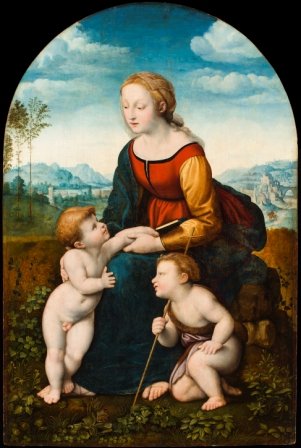
Madonna and Child with the Infant St John
-
Oil on Panel Diameter: 37½ ins
Vinci, Leonardo Da. Tuscan Follower of
Madonna and Child with the Infant St John
-
Oil on Panel Diameter: 37½ ins
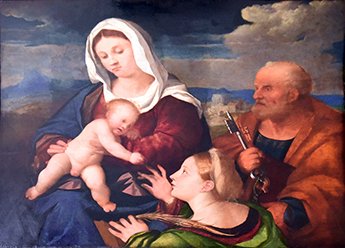
Catalogue No. 46
Palma Vecchio (Giacomo Negretti)
The Mystic Marriage of St Catherine with St Peter
c.1480-1528
Oil on Panel 32½ x 38 ins
Palma Vecchio (Giacomo Negretti)
The Mystic Marriage of St Catherine with St Peter
c.1480-1528
Oil on Panel 32½ x 38 ins
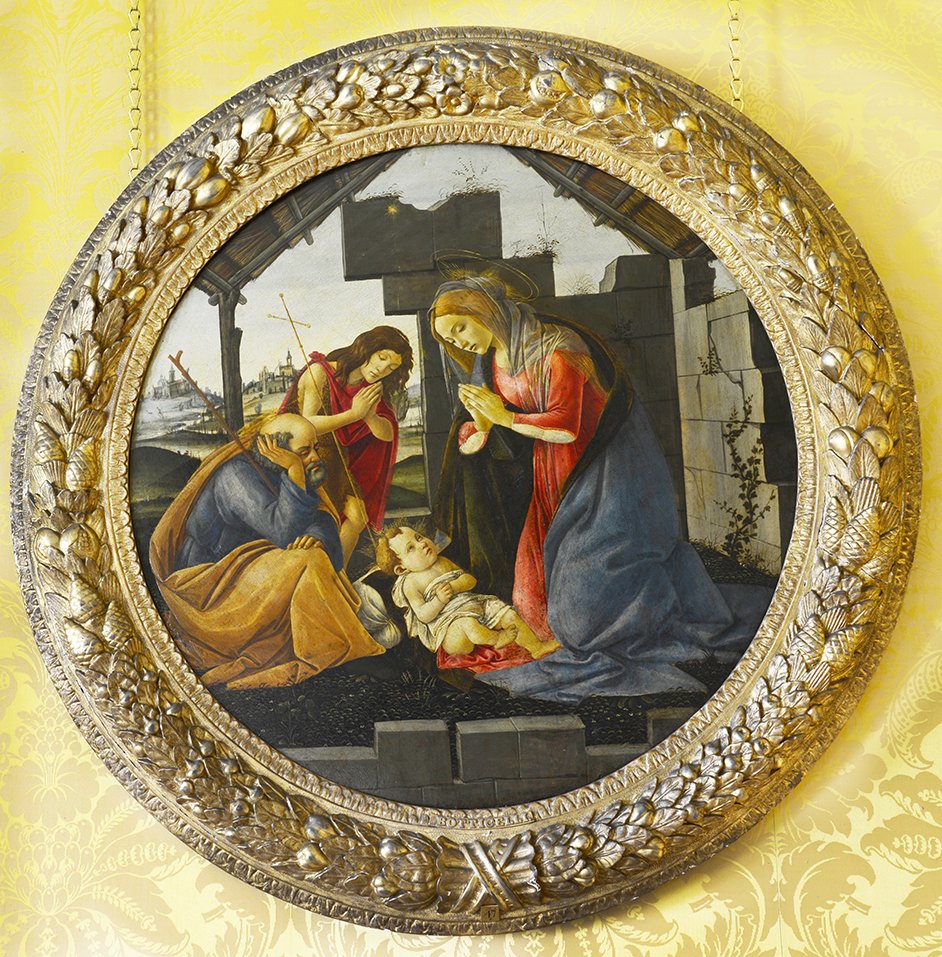
Catalogue No. 47
Botticelli, Sandro
The Holy Family with St. John the Baptist
c. 1480s
Oil on Panel Diameter: 35.5 ins
Botticelli, Sandro
The Holy Family with St. John the Baptist
c. 1480s
Oil on Panel Diameter: 35.5 ins
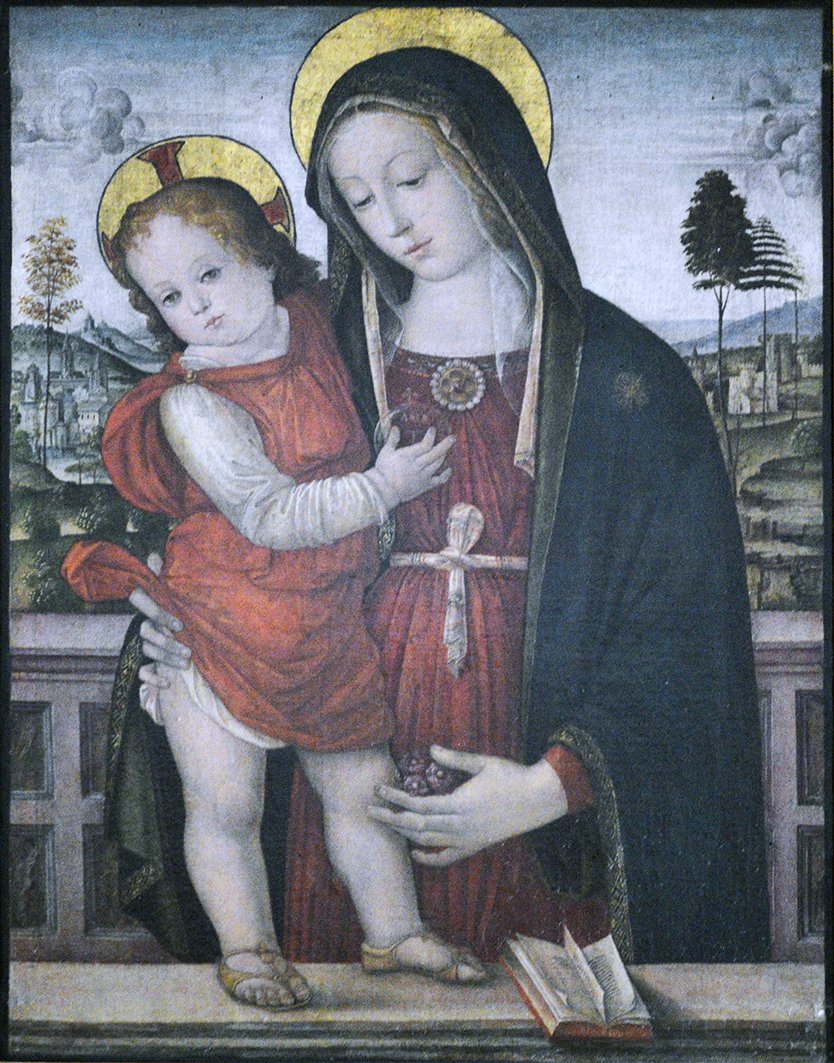
Catalogue No. 49
Pintoriccio, Follower of (Bernadino Betti)
The Madonna and Child
fl.1481-d.1513
Linen on Panel 33¼ x 25¼ ins. (including ½ ins. black painted fillet concealing join of canvas to panel)
Pintoriccio, Follower of (Bernadino Betti)
The Madonna and Child
fl.1481-d.1513
Linen on Panel 33¼ x 25¼ ins. (including ½ ins. black painted fillet concealing join of canvas to panel)
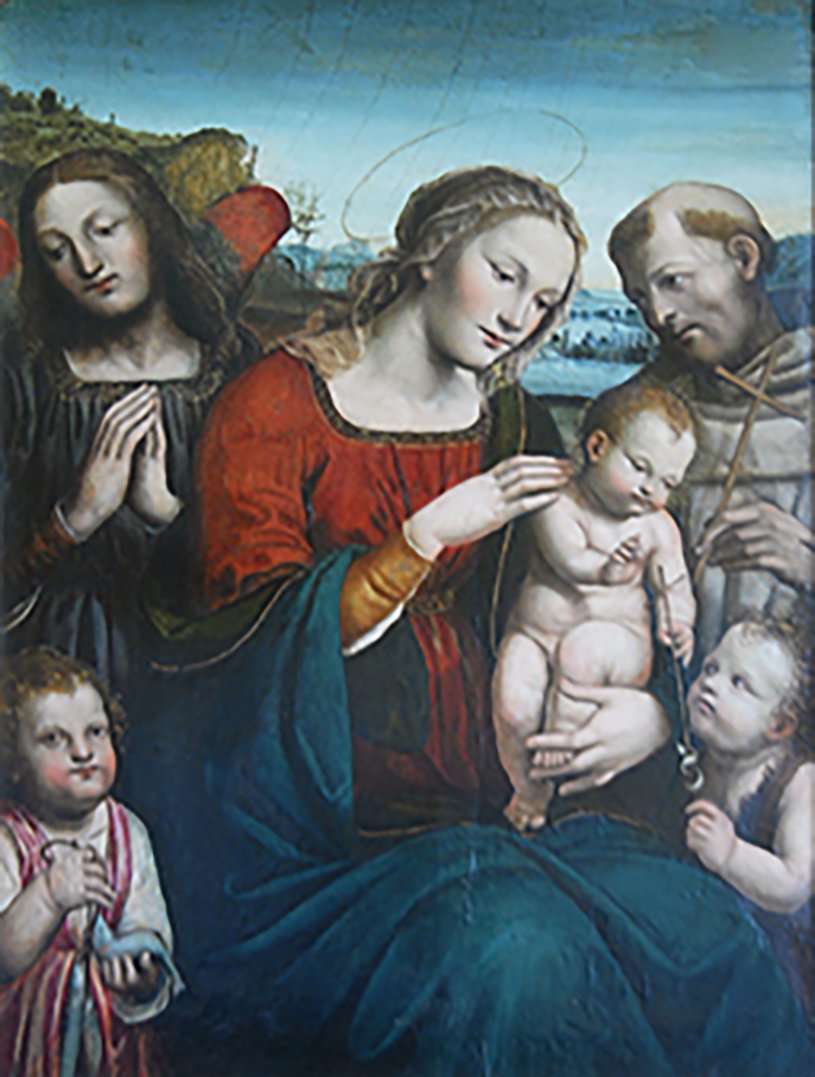
Catalogue No. 50
Sodoma (Giovanni Antonio Bazzi, Called)
The Madonna and Child with the Infant St. John, St. Francis, Tobias and the Archangel Raphael
1477-1549
Oil on Panel 27½ x 19¾ ins
Sodoma (Giovanni Antonio Bazzi, Called)
The Madonna and Child with the Infant St. John, St. Francis, Tobias and the Archangel Raphael
1477-1549
Oil on Panel 27½ x 19¾ ins
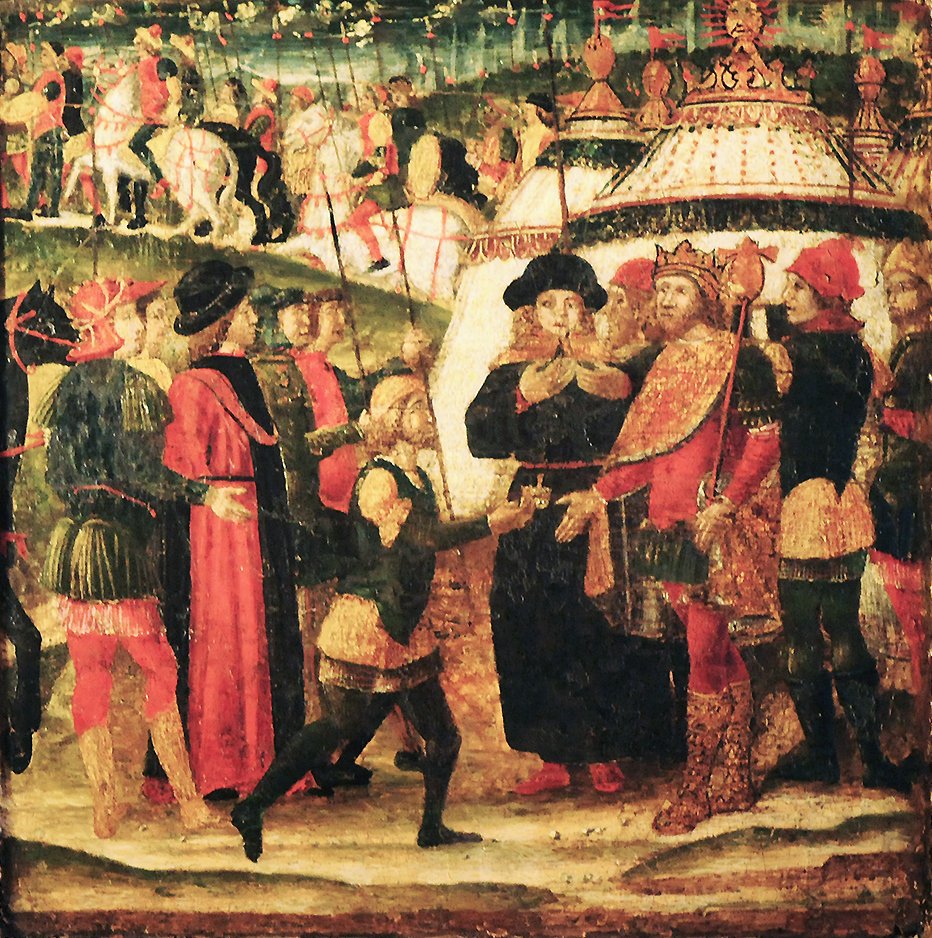
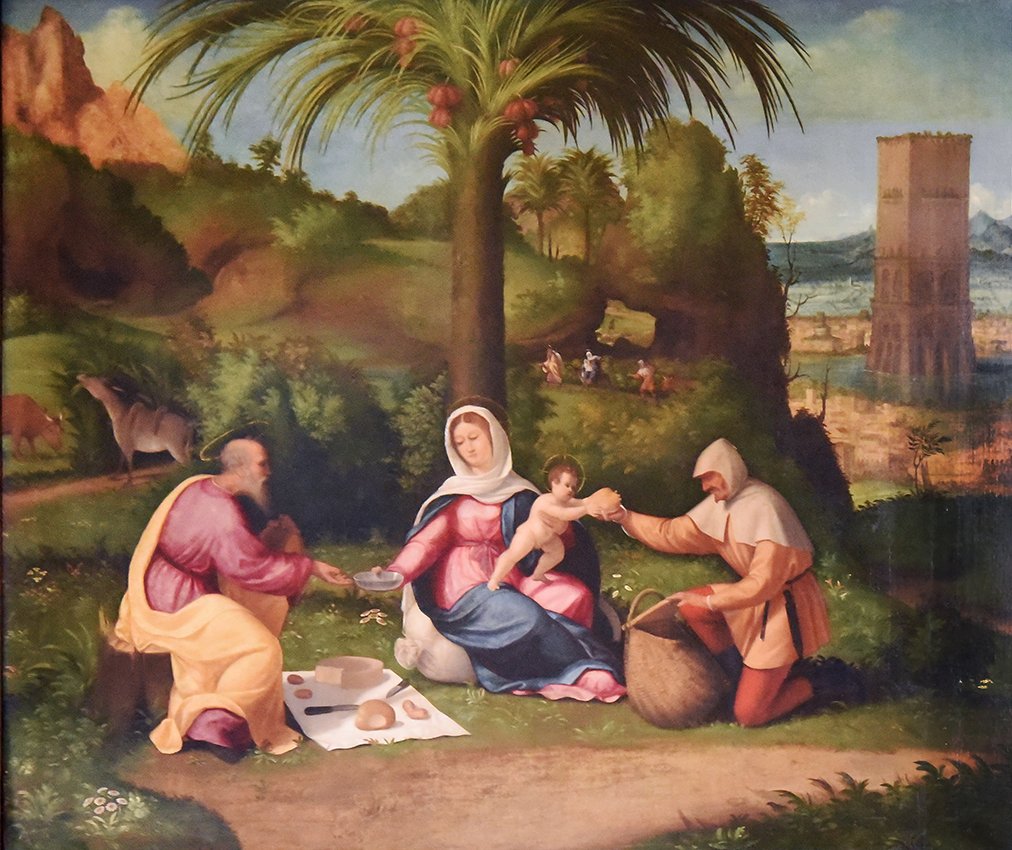
Catalogue No. 52
Previtali, Andrea, Attributed To
The Rest on the Flight Into Egypt
fl.1502-d.1528
Oil on Canvas 46 x 55¾ ins
Previtali, Andrea, Attributed To
The Rest on the Flight Into Egypt
fl.1502-d.1528
Oil on Canvas 46 x 55¾ ins
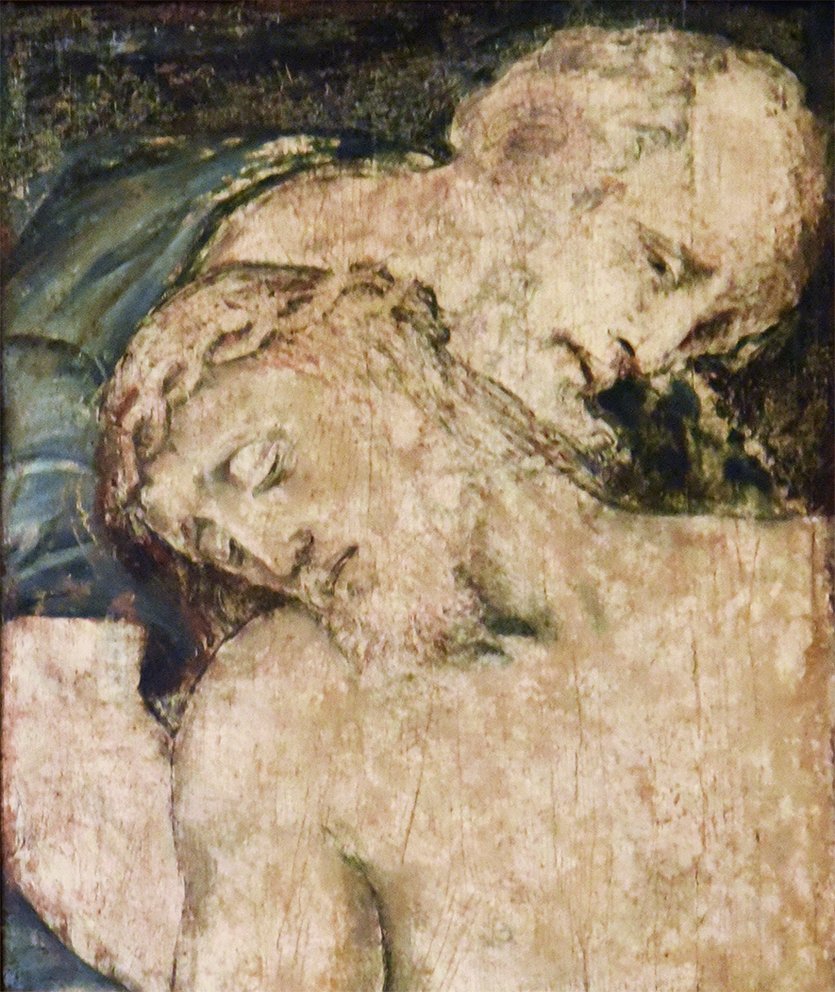
Catalogue No. 53
Florentine School, C16th
Two Heads From a 'Descent From the Cross'
16th C
Oil on Panel 21¾ x 16¾ ins
Florentine School, C16th
Two Heads From a 'Descent From the Cross'
16th C
Oil on Panel 21¾ x 16¾ ins
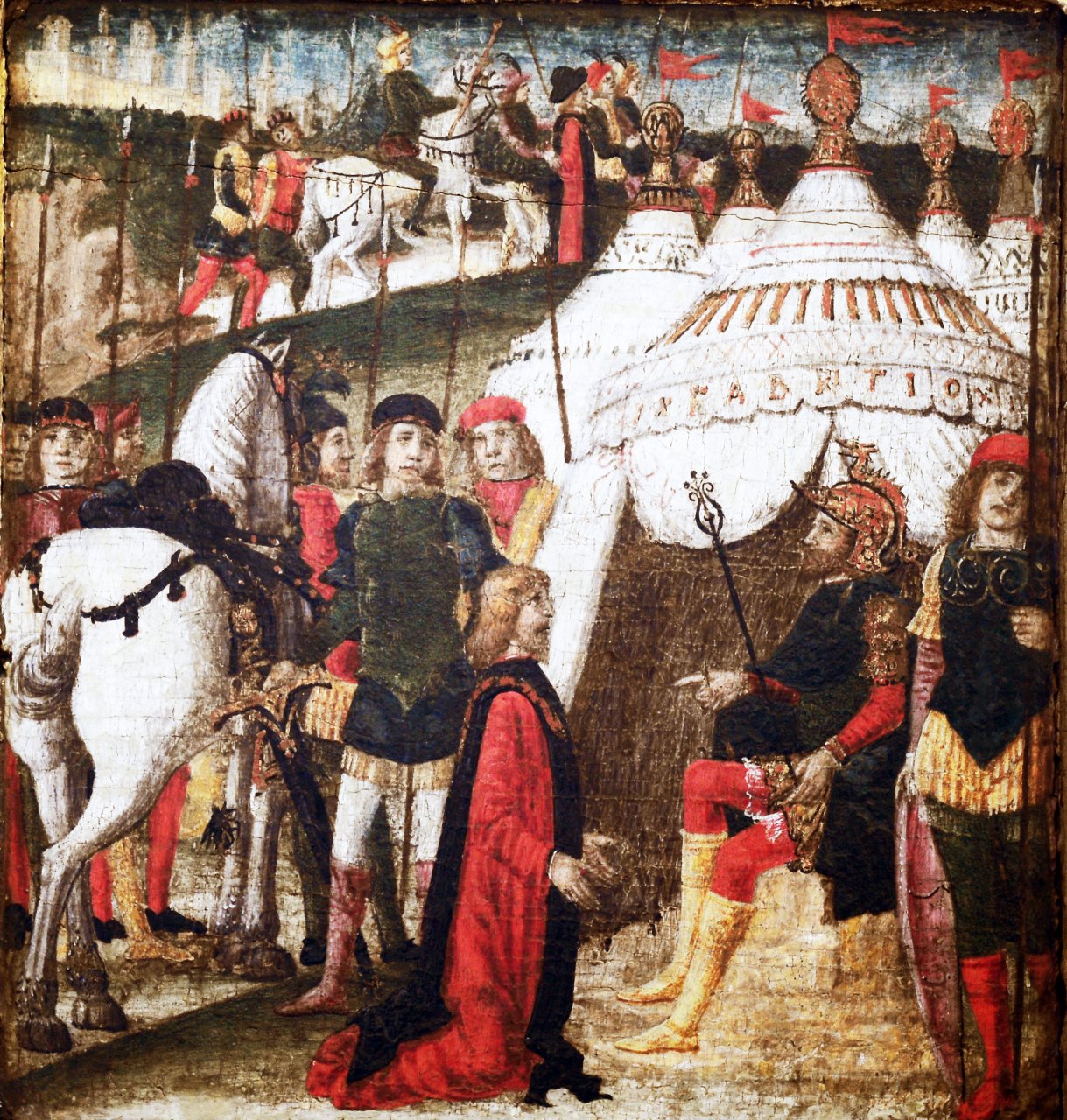
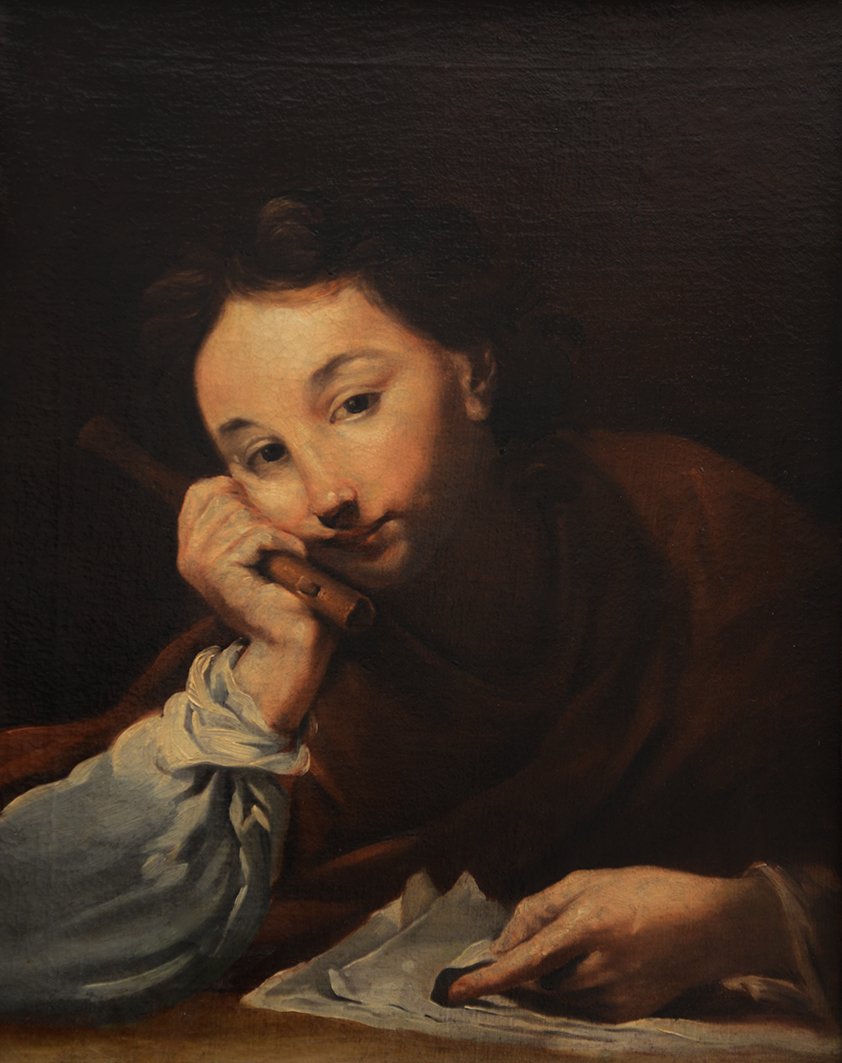
Catalogue No. 61
Crespi, Giuseppe Maria, Follower of
A Boy with a Recorder
1665-1747
Oil on Canvas 24¾ x 19¾ ins
Crespi, Giuseppe Maria, Follower of
A Boy with a Recorder
1665-1747
Oil on Canvas 24¾ x 19¾ ins
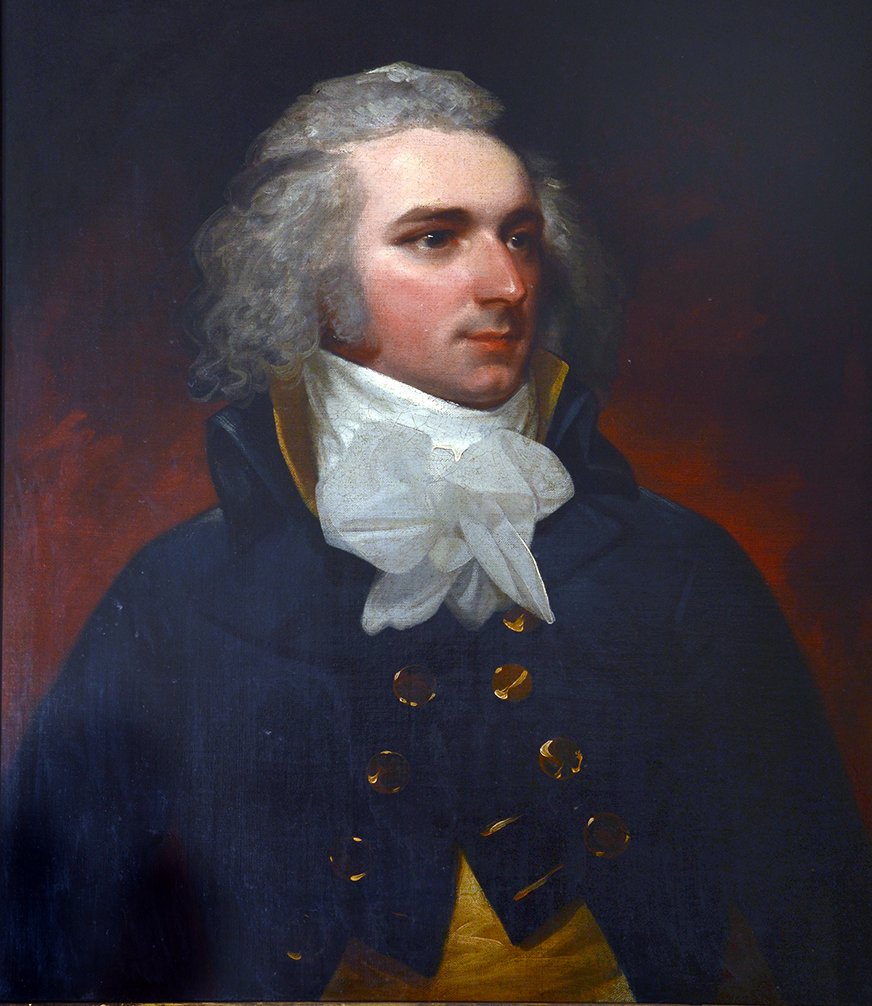
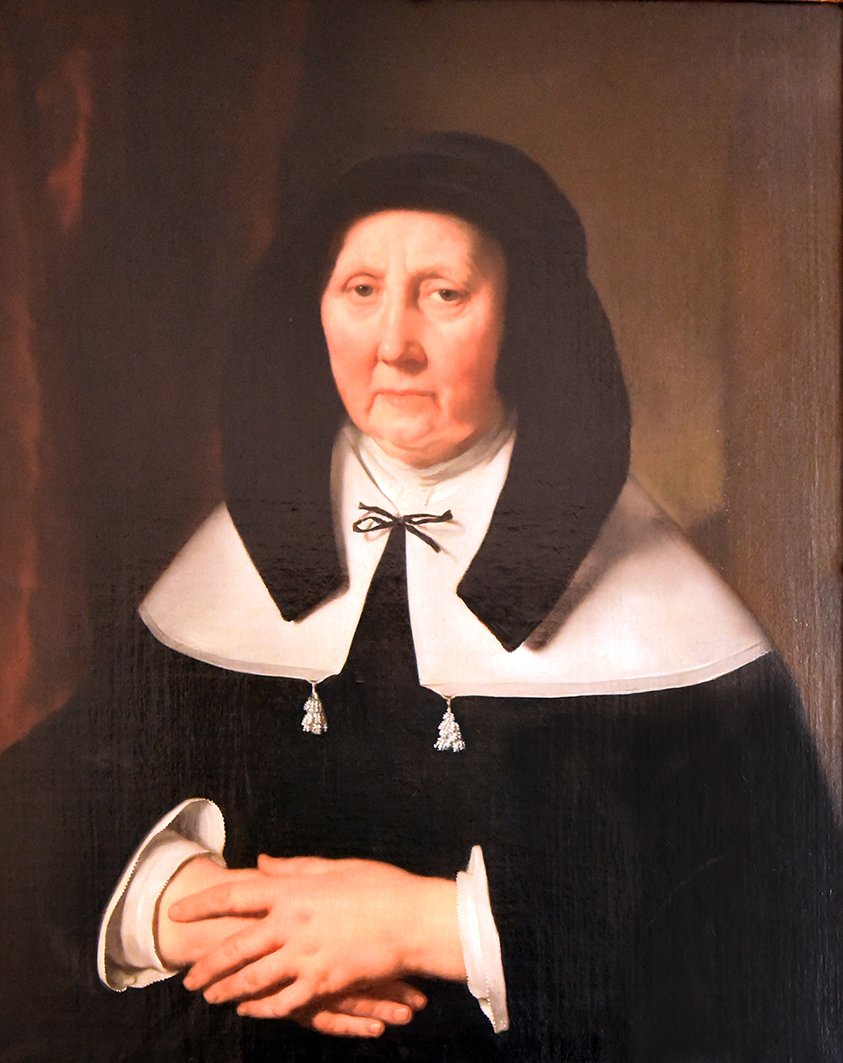
Catalogue No. 64
Tempel, Abraham Lambertszoon van Den
Portrait of an Elderly Lady
1622/3-1672
Oil on Canvas 29 x 24½ ins Signed and Dated
Tempel, Abraham Lambertszoon van Den
Portrait of an Elderly Lady
1622/3-1672
Oil on Canvas 29 x 24½ ins Signed and Dated
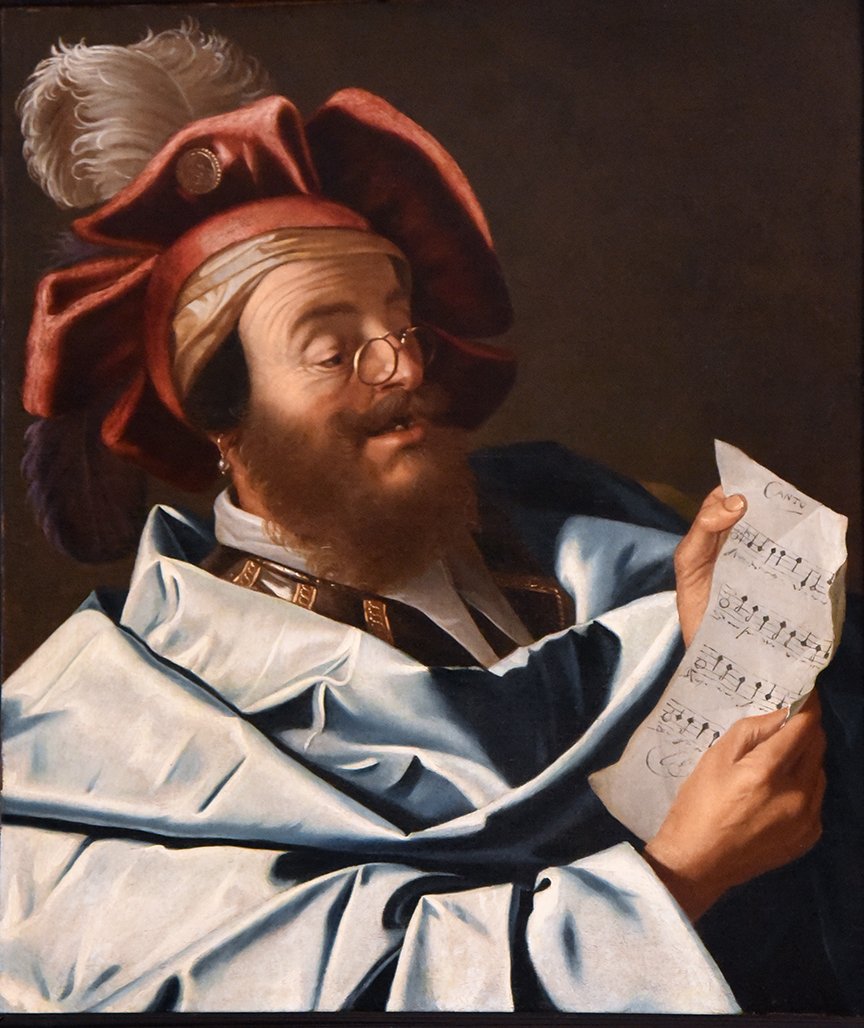
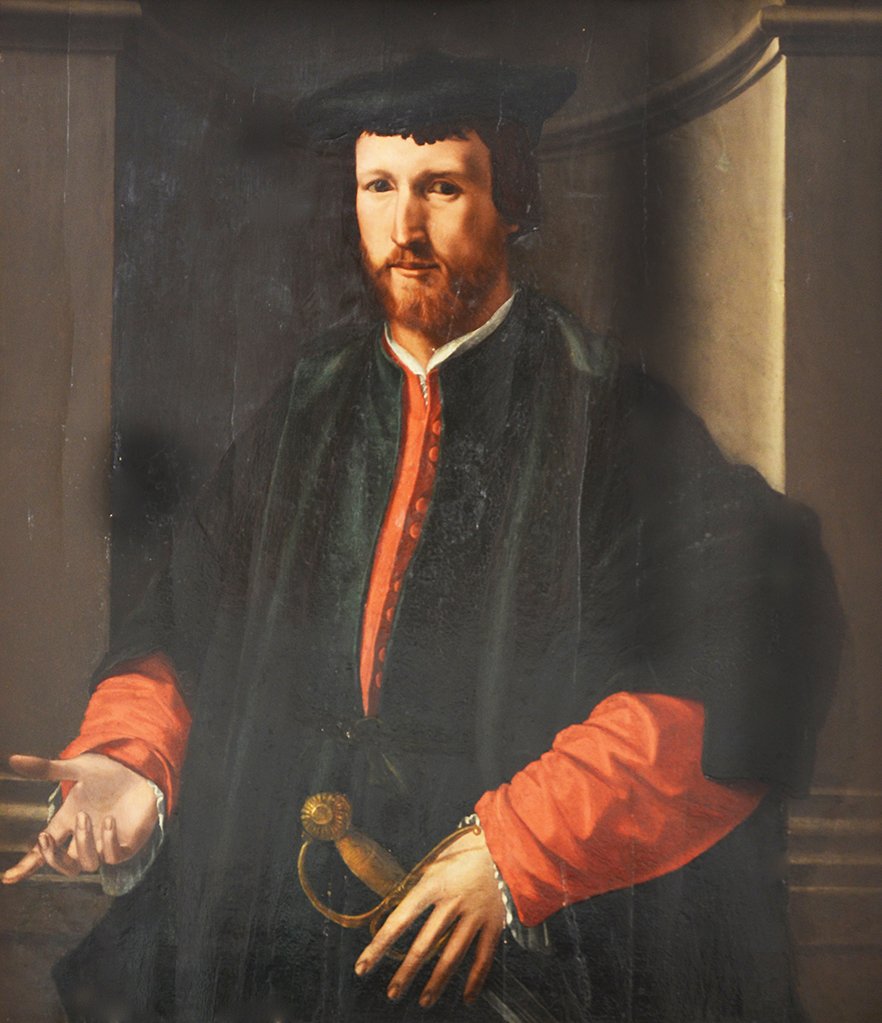
Catalogue No. 67
Florentine School, C16th
Portrait of an Unknown Man
c.1530
Oil on Panel 38¼ x 30¾ ins
Florentine School, C16th
Portrait of an Unknown Man
c.1530
Oil on Panel 38¼ x 30¾ ins
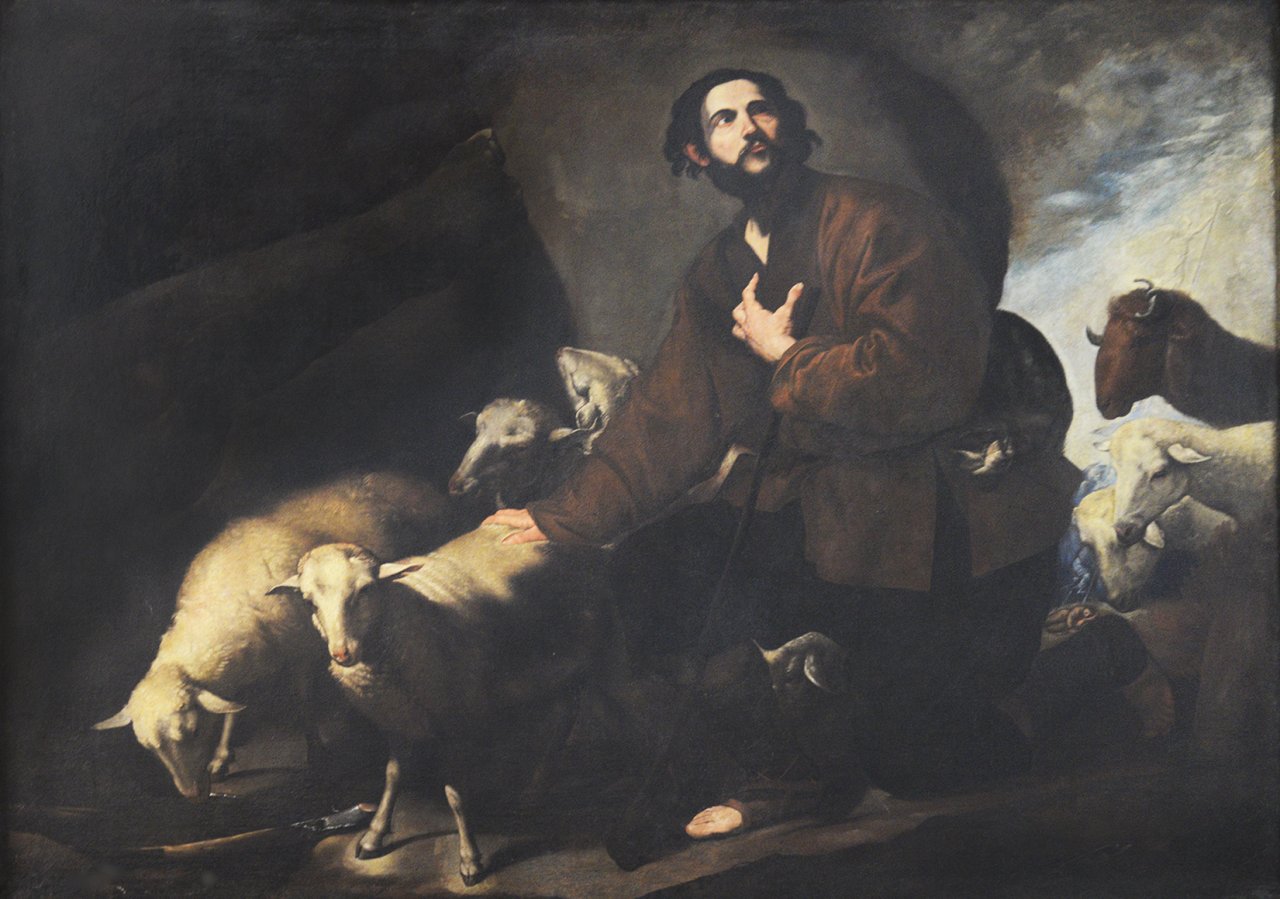
Catalogue No. 68
Ribera, Juseppe de , Studio of
Jacob with the Flock of Laban
(?) 1591-1652
Oil on Canvas 72 x 93½ ins.
Ribera, Juseppe de , Studio of
Jacob with the Flock of Laban
(?) 1591-1652
Oil on Canvas 72 x 93½ ins.
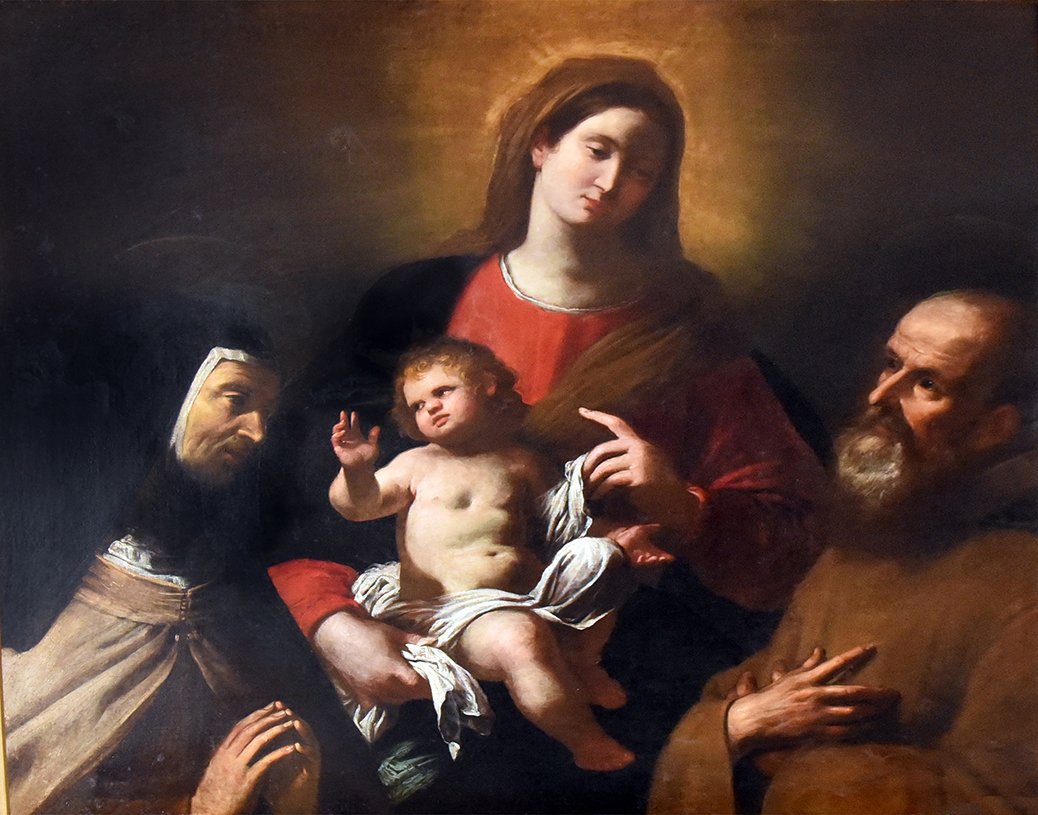
Catalogue No. 69
Laueret, After
Madonna and Child adored by St. Maria Maddalena de'Pazzi (?) and St. Felix of Cantalice
Mid 17th C
Oil on Canvas 39¼ x 47¾ ins
Laueret, After
Madonna and Child adored by St. Maria Maddalena de'Pazzi (?) and St. Felix of Cantalice
Mid 17th C
Oil on Canvas 39¼ x 47¾ ins
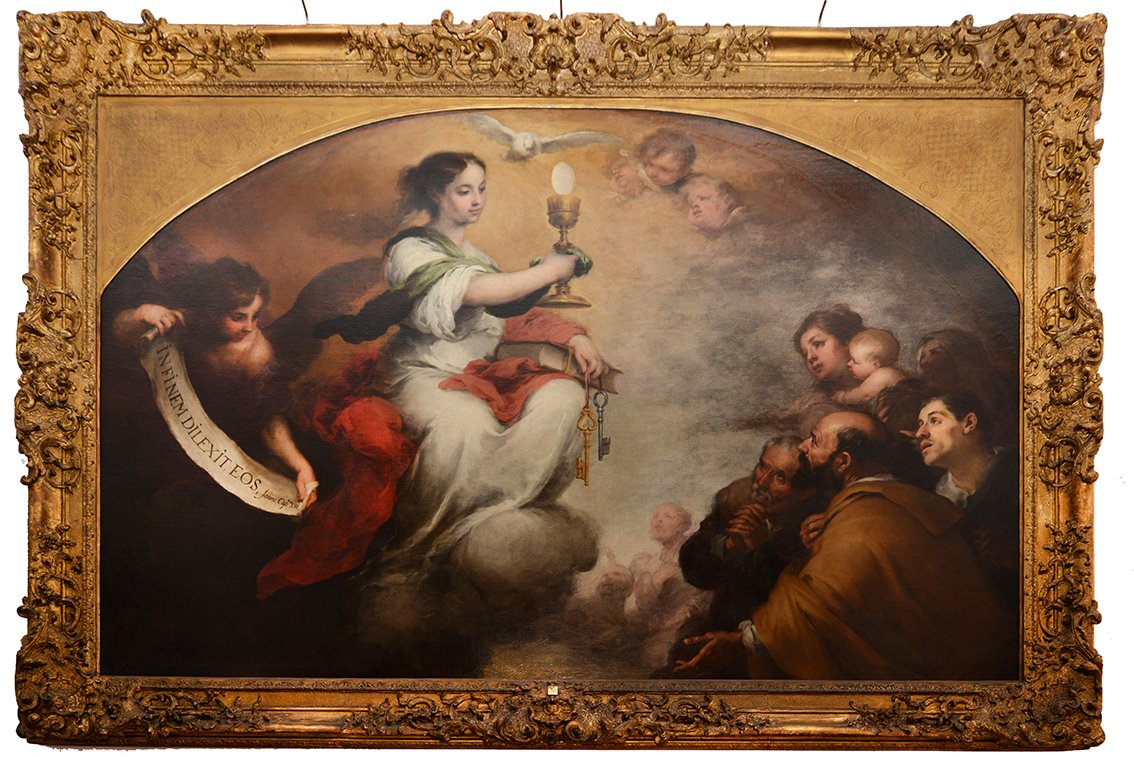
Catalogue No. 70
Murillo, Bartolome Esteban
Faith or the Church Triumphant
1617-82
Oil on Canvas 65 x 98¾ ins (164.5 x 251.8 cms)
Murillo, Bartolome Esteban
Faith or the Church Triumphant
1617-82
Oil on Canvas 65 x 98¾ ins (164.5 x 251.8 cms)
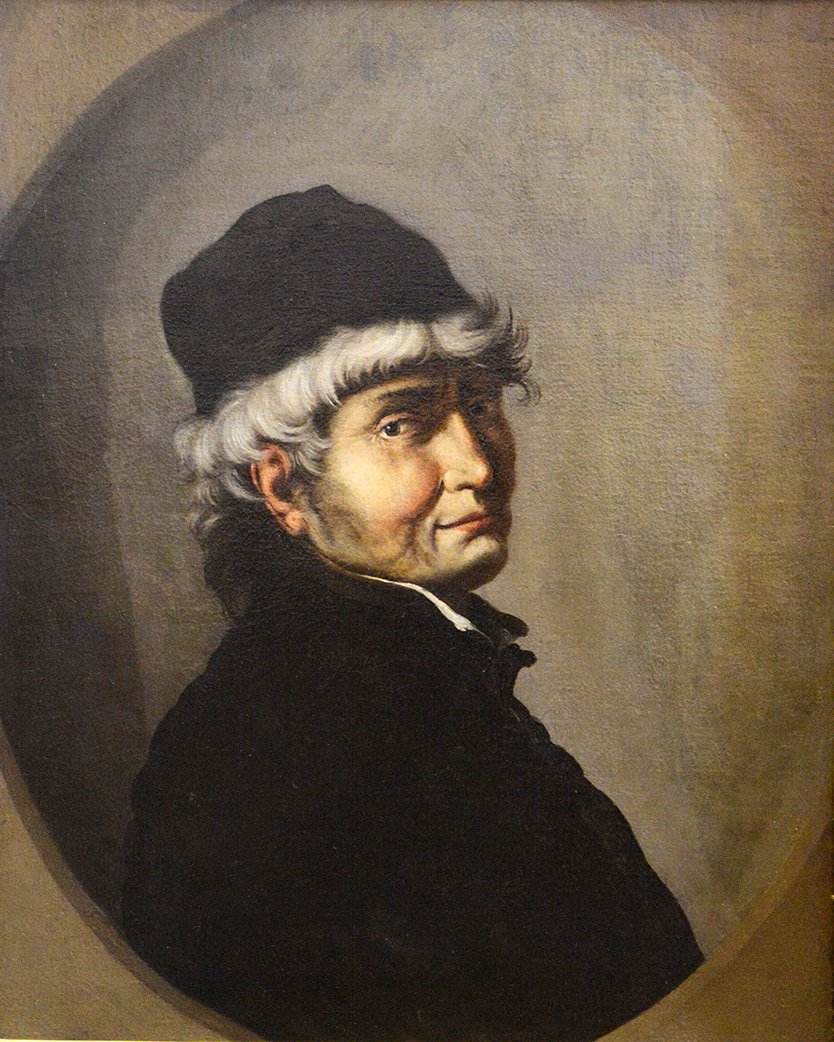
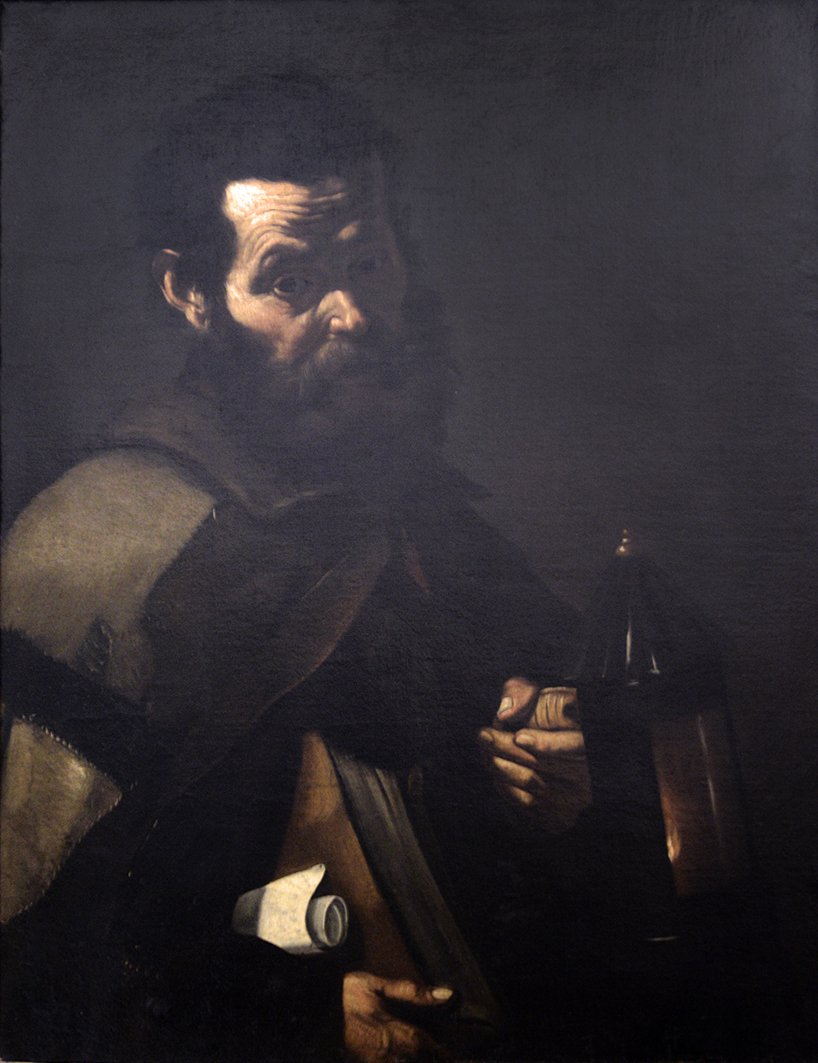
Catalogue No. 72
Preti, Mattia (Called Cavalieri Calabrese)
Diogenes
1613-99
Oil on Canvas 36¾ x 27 ins
Preti, Mattia (Called Cavalieri Calabrese)
Diogenes
1613-99
Oil on Canvas 36¾ x 27 ins
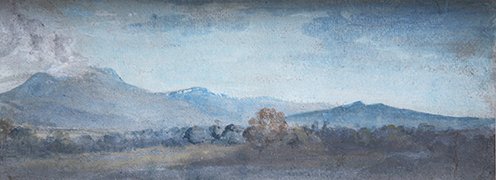
Catalogue No. 73
Sandby, Paul RA
A Mountainous Landscape
1725-1809
Gouache on Blue Paper 6¾ x 17¾ ins
Sandby, Paul RA
A Mountainous Landscape
1725-1809
Gouache on Blue Paper 6¾ x 17¾ ins
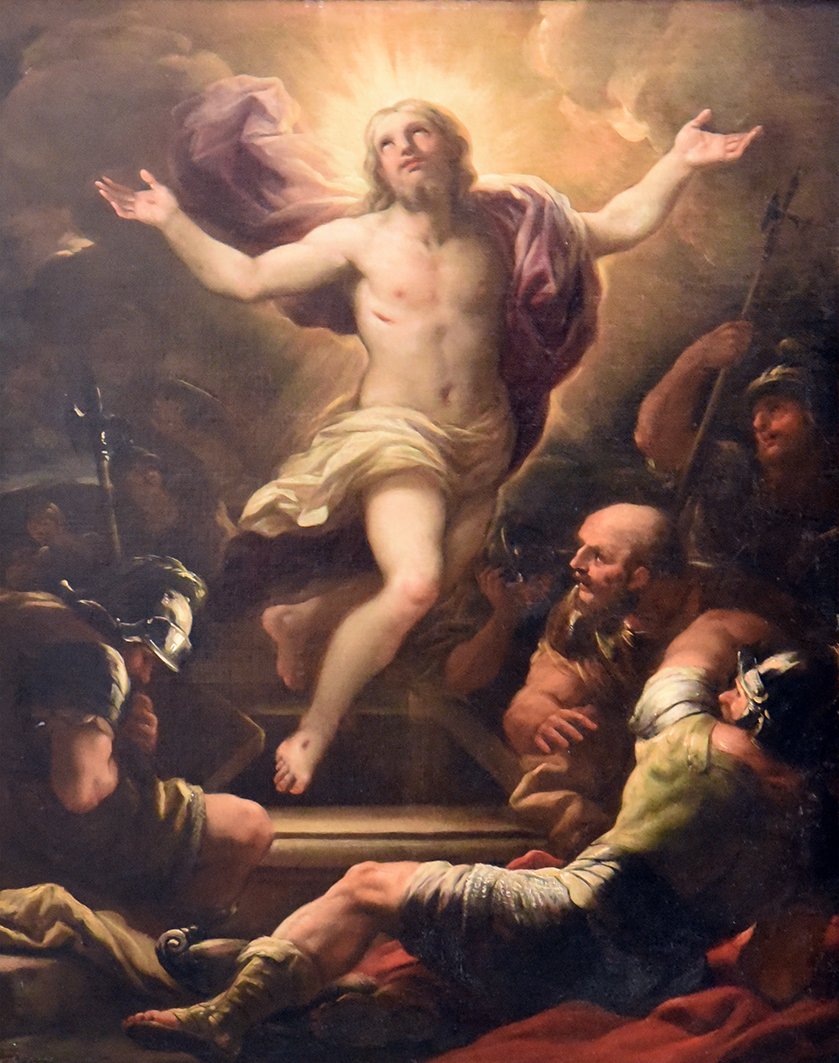
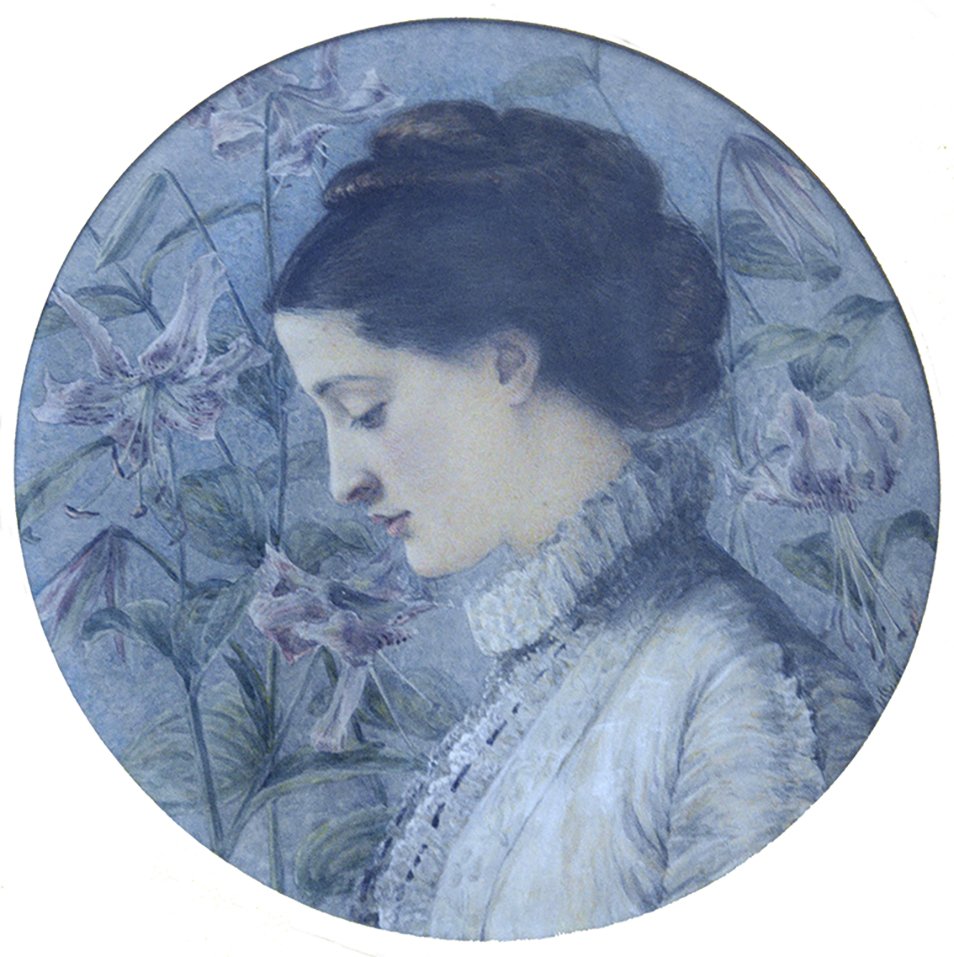
Catalogue No. 79
Butler, Mildred
Frances Isabella, Countess of Donoughmore
b.1858-1941
Watercolour, oval Diameter: 12 ins
Butler, Mildred
Frances Isabella, Countess of Donoughmore
b.1858-1941
Watercolour, oval Diameter: 12 ins
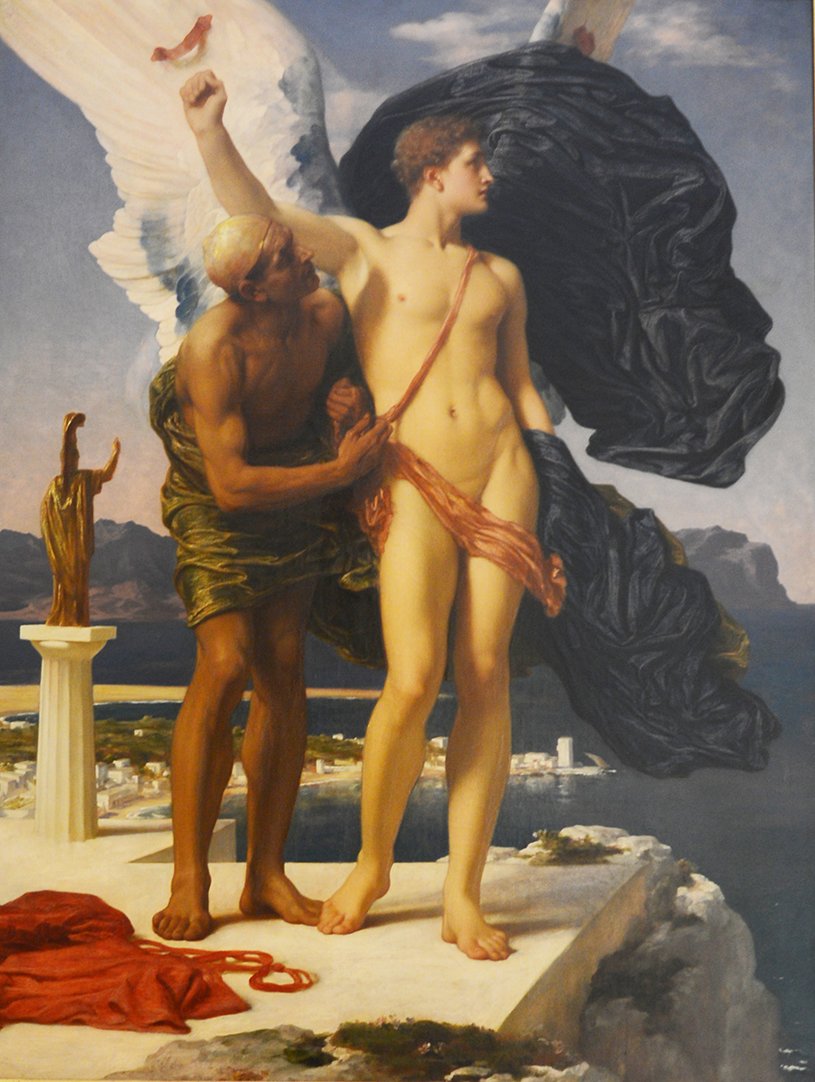
Catalogue No. 80
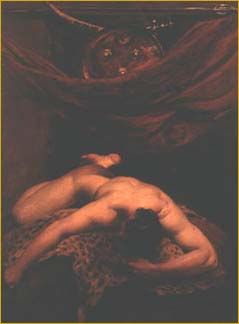
Leighton, Frederic, Lord P RA
Daedalus and Icarus
1839-96
Oil on Canvas 54½ x 41¼ ins
Leighton, Frederic, Lord P RA
Daedalus and Icarus
1839-96
Oil on Canvas 54½ x 41¼ ins
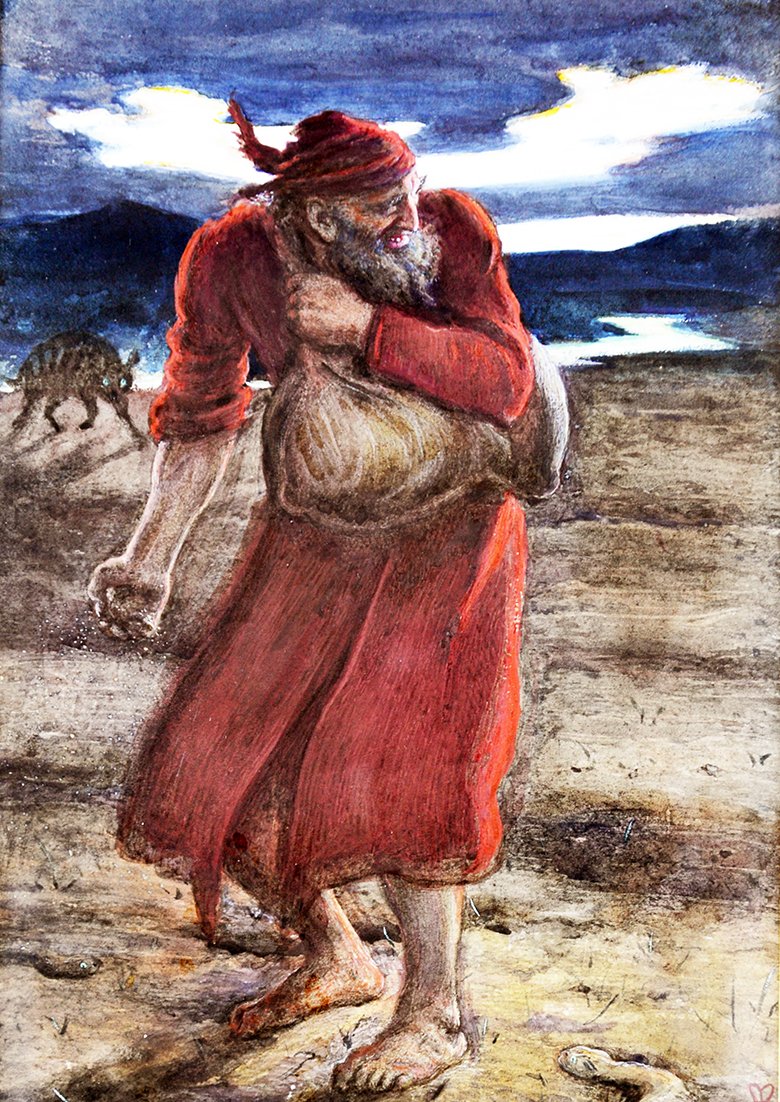
Catalogue No. 85
Millais, Sir John Everett, Bt., P RA
The Enemy Sowing Tares
b.1829-1896
Watercolour 9¾ x 7 ins Signed
Millais, Sir John Everett, Bt., P RA
The Enemy Sowing Tares
b.1829-1896
Watercolour 9¾ x 7 ins Signed
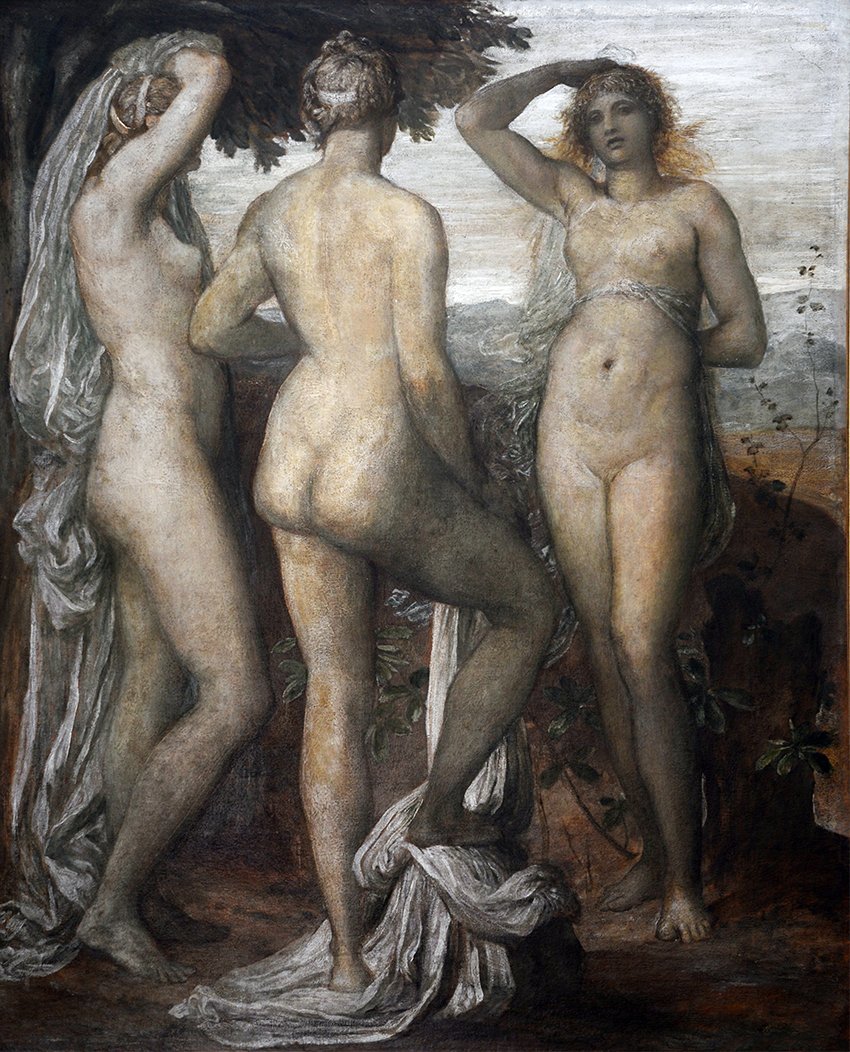
Catalogue No. 87
Watts, George Frederic OM RA
The Judgement of Paris (The Three Graces)
1817-1904
Oil on Canvas 31½ x 25¾ ins
Watts, George Frederic OM RA
The Judgement of Paris (The Three Graces)
1817-1904
Oil on Canvas 31½ x 25¾ ins
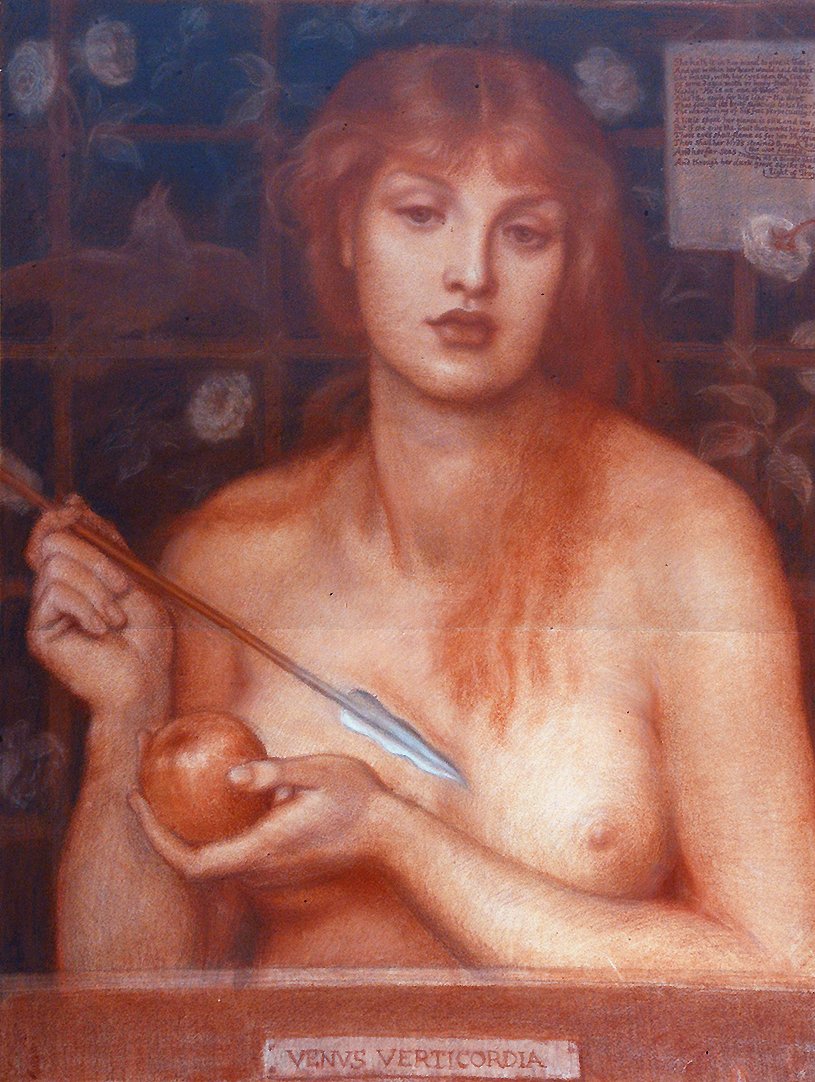
Catalogue No. 88
Rossetti, Dante Gabriel
Venus Verticordia
1828-82
Coloured chalks 30½ x 24½ ins Inscribed: VENUS VERTICORDIA
Rossetti, Dante Gabriel
Venus Verticordia
1828-82
Coloured chalks 30½ x 24½ ins Inscribed: VENUS VERTICORDIA
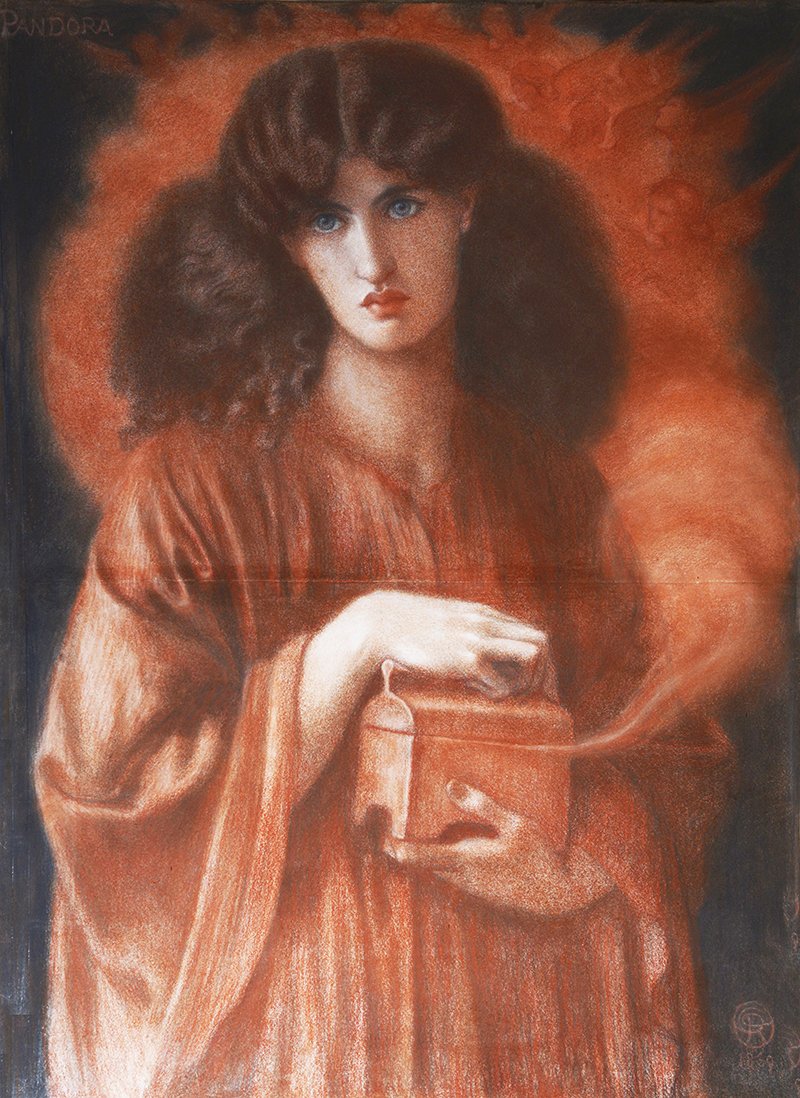
Catalogue No. 89
Rossetti, Dante Gabriel
Pandora
1828-82
Red and Blue Chalks 39½ x 28½ ins Signed and Dated: DGR 1869 Inscribed: PANDORA
Rossetti, Dante Gabriel
Pandora
1828-82
Red and Blue Chalks 39½ x 28½ ins Signed and Dated: DGR 1869 Inscribed: PANDORA
Catalogue No. 90
Watts, George Frederic OM RA
The Wife of Pygmalion
1817-1904
Oil on Canvas 26¼ x 21 ins
Watts, George Frederic OM RA
The Wife of Pygmalion
1817-1904
Oil on Canvas 26¼ x 21 ins
Catalogue No. 92
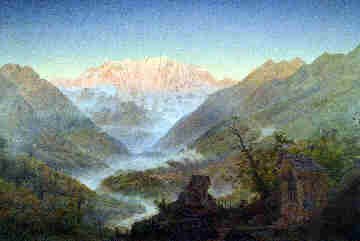
Andrew Maccallum
Monte Rosa, Val D'Anzasca, Early Morning
1864
Oil on canvas 132 x 183 cm
Andrew Maccallum
Monte Rosa, Val D'Anzasca, Early Morning
1864
Oil on canvas 132 x 183 cm
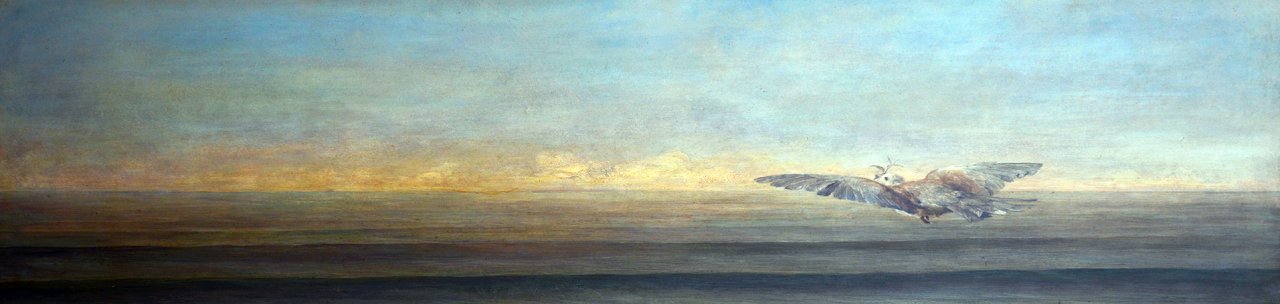
Catalogue No. 93
Watts, George Frederic OM RA
The Return of the Dove
1817-1904
Oil on Panel 23½ x 73 ins Signed and Dated: G F Watts 1869
Watts, George Frederic OM RA
The Return of the Dove
1817-1904
Oil on Panel 23½ x 73 ins Signed and Dated: G F Watts 1869
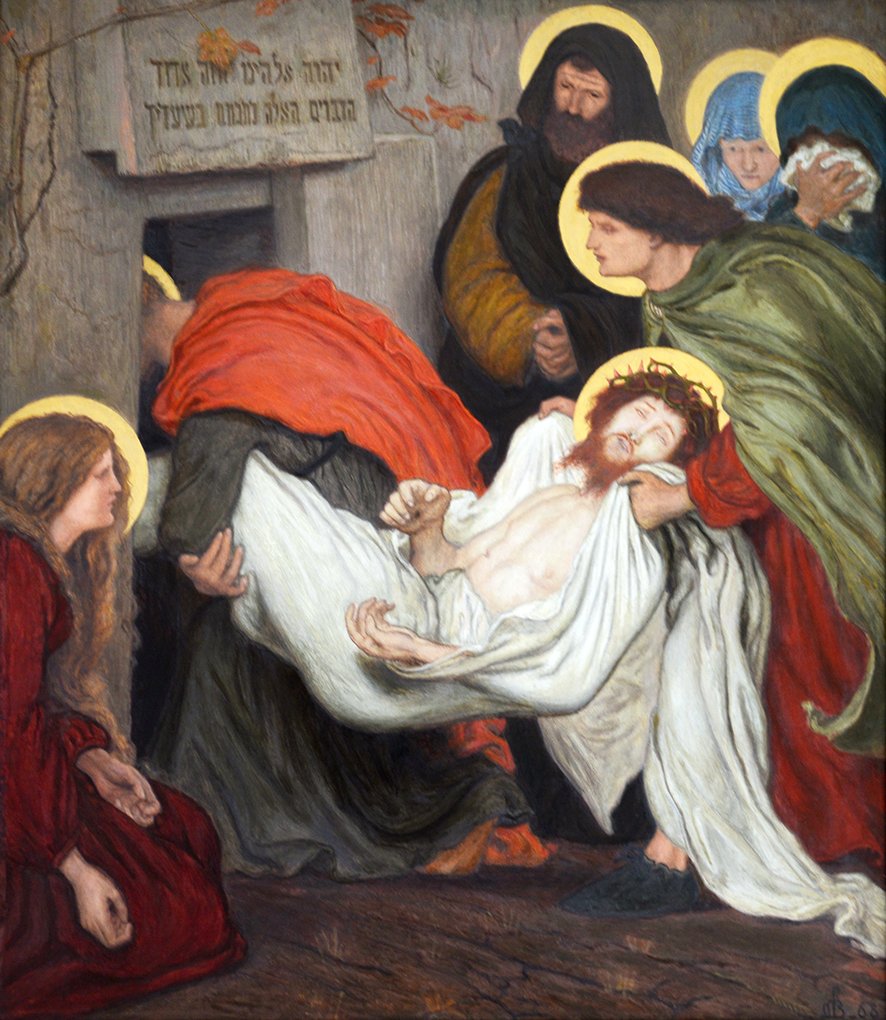
Catalogue No. 94
Brown, Ford Madox
The Entombment
1821-93
Oil on canvas 21¾ x 19 ins Signed and Dated: FMB 68
Brown, Ford Madox
The Entombment
1821-93
Oil on canvas 21¾ x 19 ins Signed and Dated: FMB 68
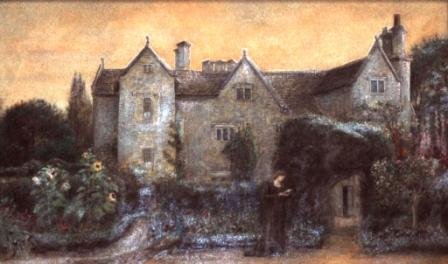
Catalogue No. 95
Spartali, Marie (Later Stillman)
Kelmscott Manor
1844-1927
Oil on Canvas 10 x 17 ins
Spartali, Marie (Later Stillman)
Kelmscott Manor
1844-1927
Oil on Canvas 10 x 17 ins
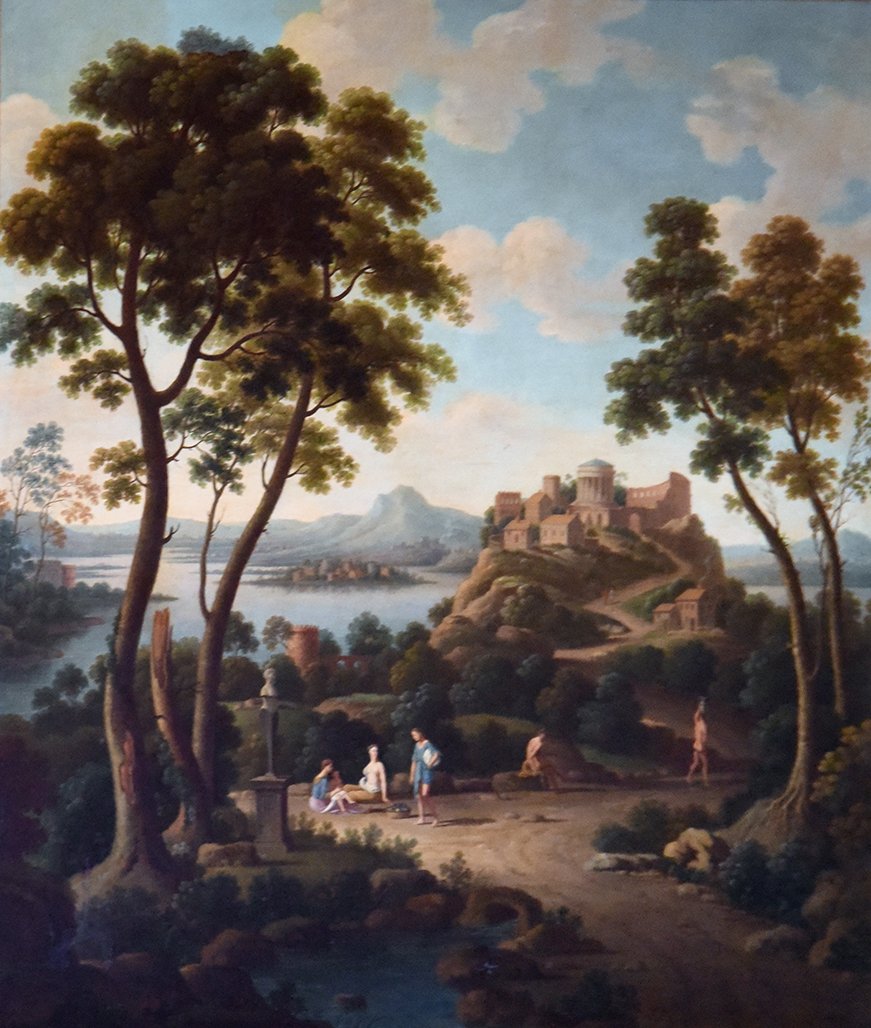
Catalogue No. 98
Collevaux Jnr, Isaac
Classical Landscape with Temple and Amphitheatre
1710-1765
Oil on Canvas 42½ x 40½
Collevaux Jnr, Isaac
Classical Landscape with Temple and Amphitheatre
1710-1765
Oil on Canvas 42½ x 40½
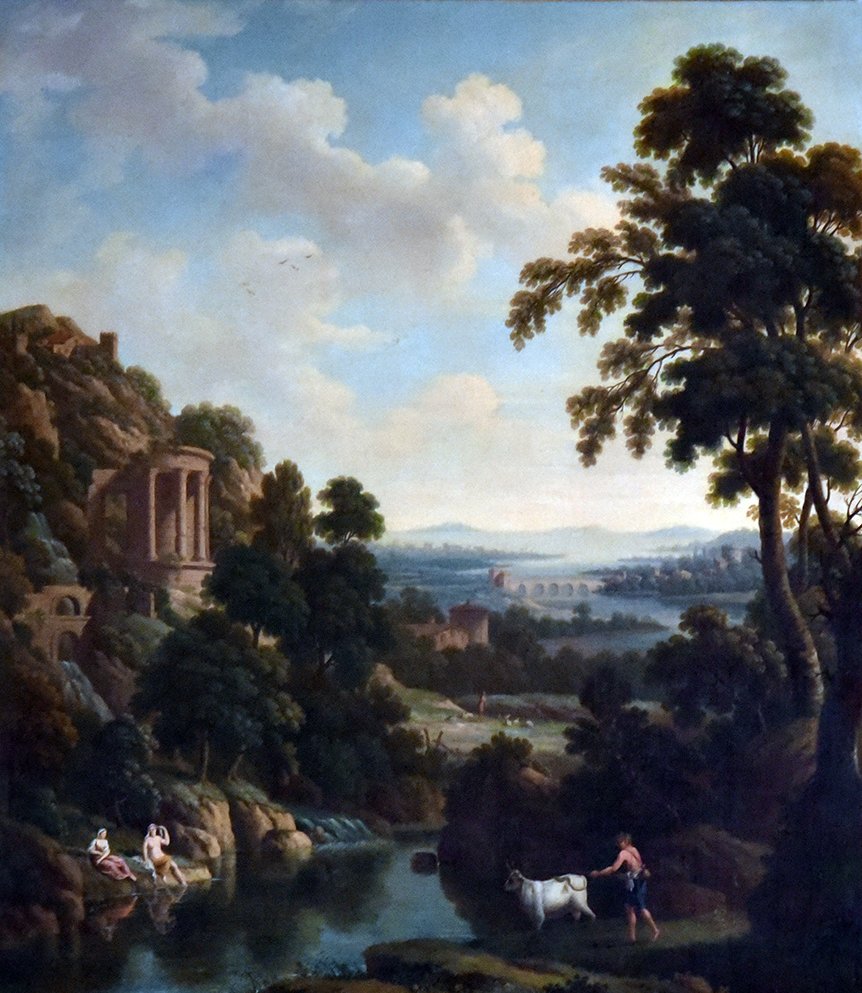
Catalogue No. 99
Collevaux Jnr, Isaac
Classical Landscape with Temple of the Sybil
1710-65
Oil on Canvas 42½ x 40½ ins
Collevaux Jnr, Isaac
Classical Landscape with Temple of the Sybil
1710-65
Oil on Canvas 42½ x 40½ ins
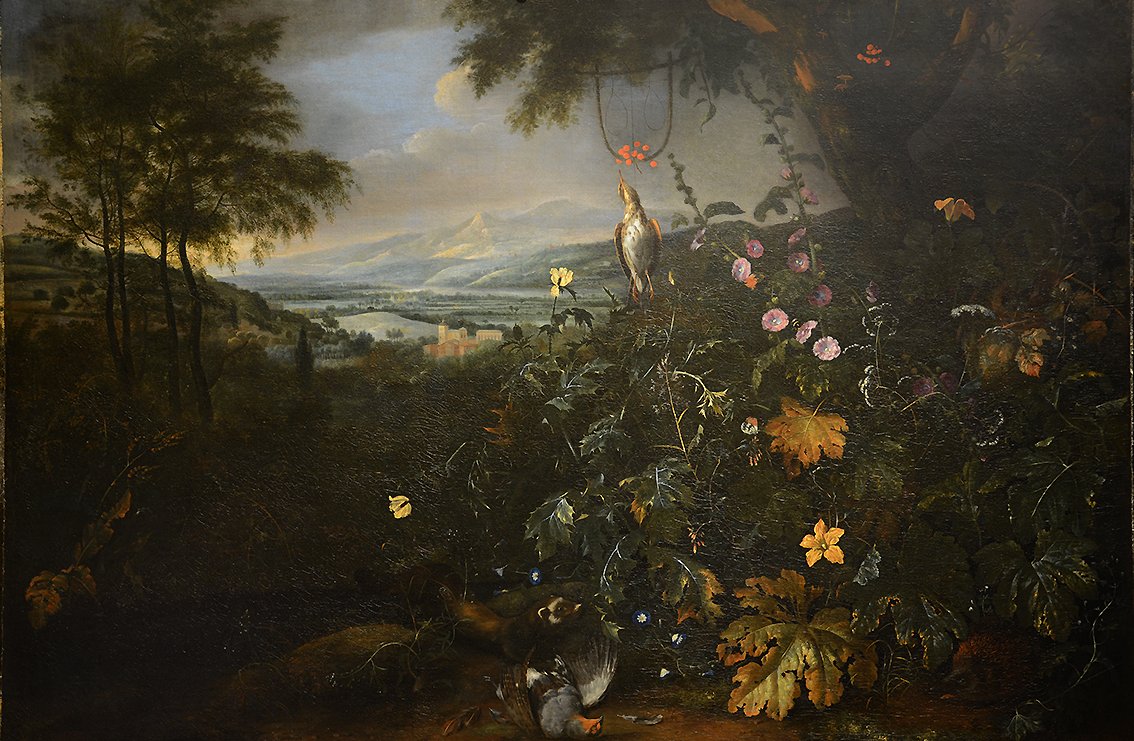
Catalogue No. 101
Withoos, Mathias
Foliage with Birds and Animals
1627-1703
Oil on Canvas 40½ by 54¾ ins. Signed
Withoos, Mathias
Foliage with Birds and Animals
1627-1703
Oil on Canvas 40½ by 54¾ ins. Signed
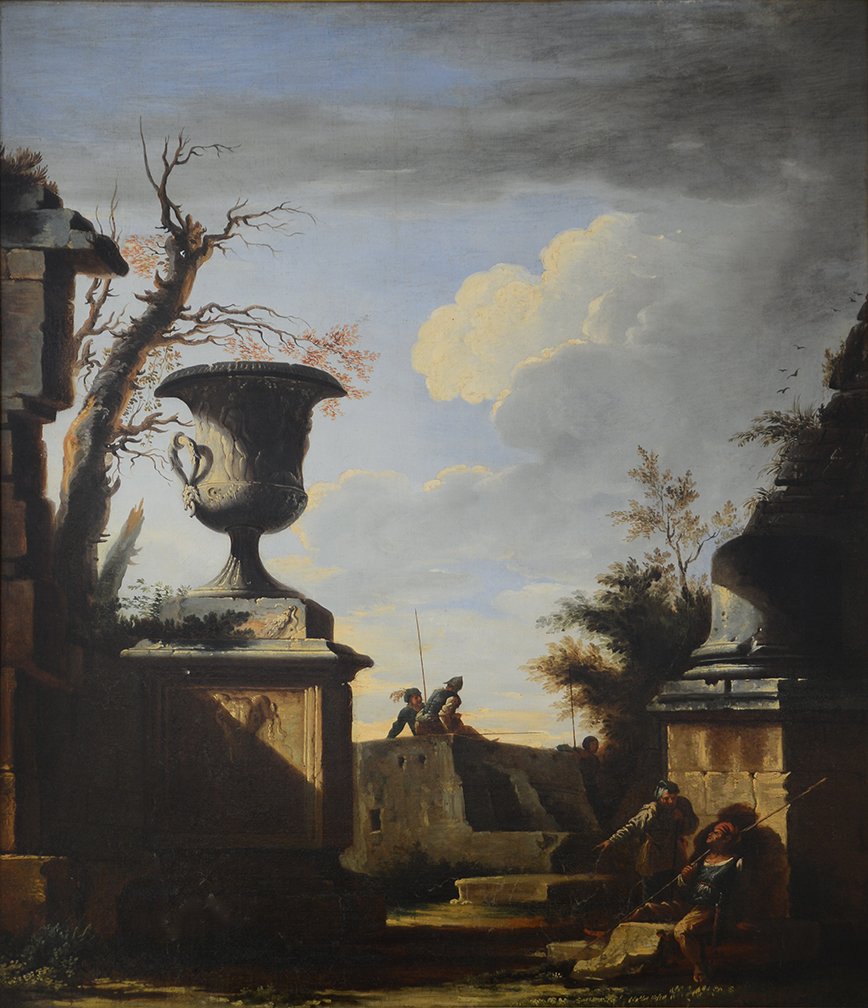
Catalogue No. 102
Ghisolfi, Giovanni, Manner of
Classical Architecture with Figures
1615-73
Oil on Canvas 39½ x 30½ ins.
Ghisolfi, Giovanni, Manner of
Classical Architecture with Figures
1615-73
Oil on Canvas 39½ x 30½ ins.
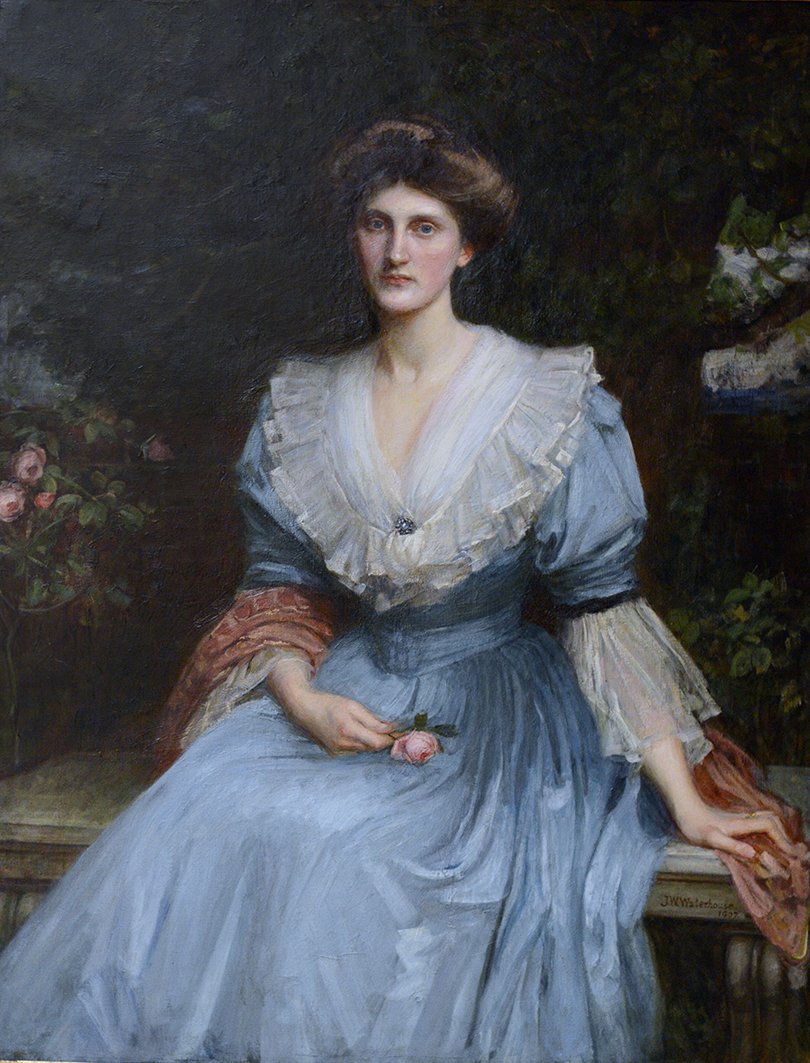
Catalogue No. 110
Waterhouse, John William
Portrait of Lady Violet Henderson
1849-1917
Oil on Canvas 50 x 39 ins. Signed and Dated: JW Waterhouse/1907
Waterhouse, John William
Portrait of Lady Violet Henderson
1849-1917
Oil on Canvas 50 x 39 ins. Signed and Dated: JW Waterhouse/1907
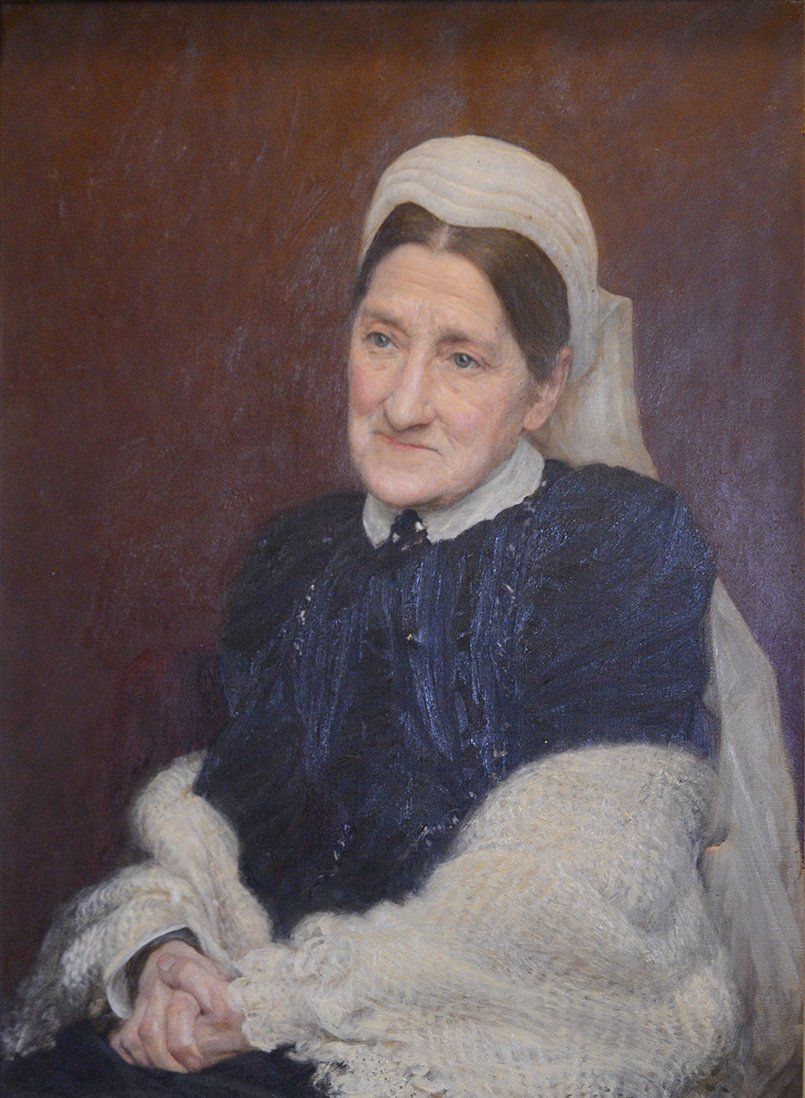
Catalogue No. 111
Gregory, Edward John
Portrait of Mrs George Henderson
Oil on canvas, 30 ins by 24 ins.
Gregory, Edward John
Portrait of Mrs George Henderson
Oil on canvas, 30 ins by 24 ins.
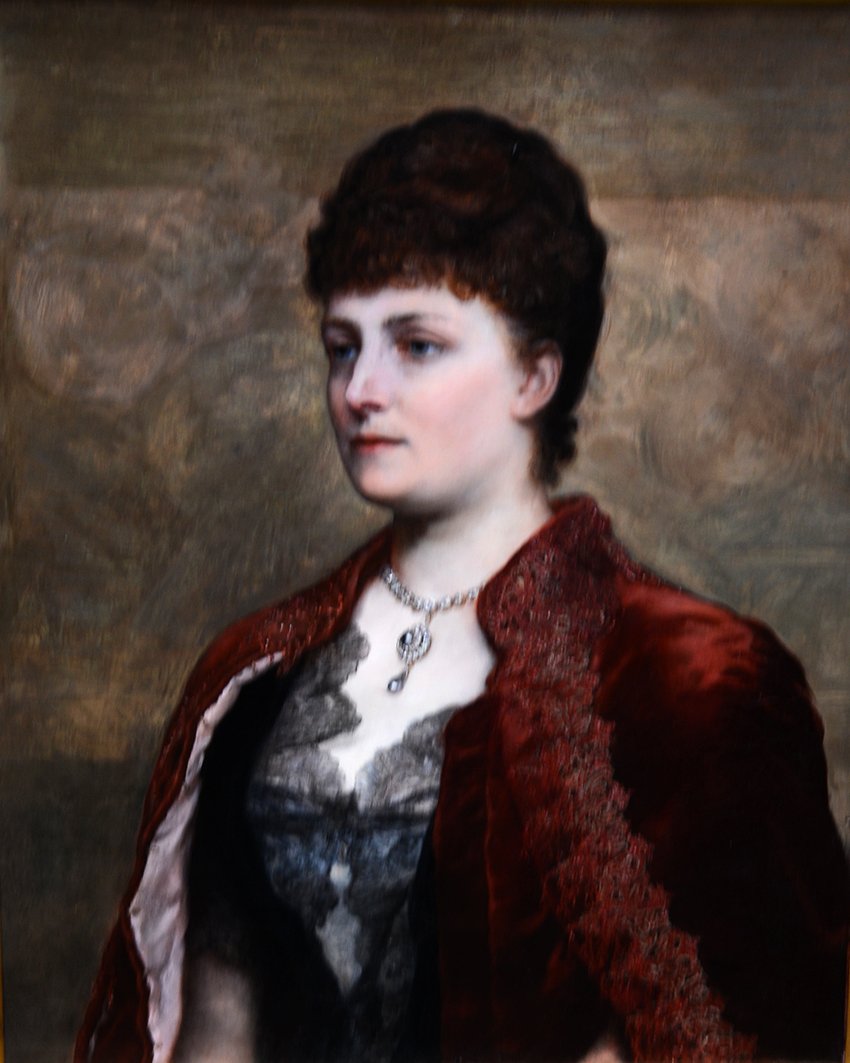
Catalogue No. 113
Beadle, James Prinsep Barnes
Portrait of Mrs Alexander Henderson, née Jane Davies
1863-1946
Oil on Canvas 30 x 24 ins.
Beadle, James Prinsep Barnes
Portrait of Mrs Alexander Henderson, née Jane Davies
1863-1946
Oil on Canvas 30 x 24 ins.
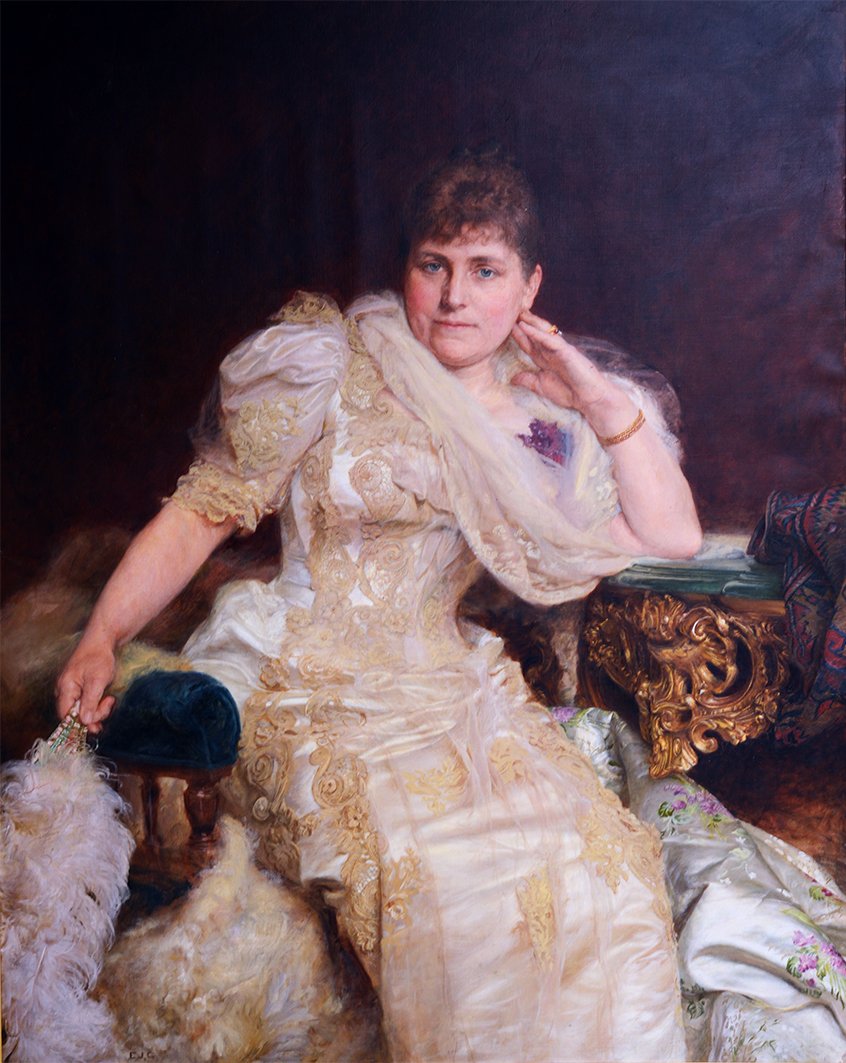
Catalogue No. 115
Gregory, Edward John
Portrait of the 1st Lady Faringdon
1850-1909
Oil on Canvas 50 x 40 ins. Initialled
Gregory, Edward John
Portrait of the 1st Lady Faringdon
1850-1909
Oil on Canvas 50 x 40 ins. Initialled
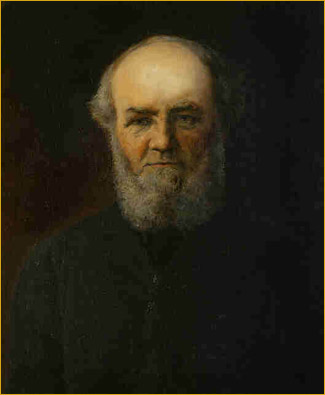
Catalogue No. 116
Sampson, Leigh
Portrait of Mr George Henderson
-
Oil on Canvas 24 x 20 ins. Signed and Dated: Leigh Sampson
Sampson, Leigh
Portrait of Mr George Henderson
-
Oil on Canvas 24 x 20 ins. Signed and Dated: Leigh Sampson
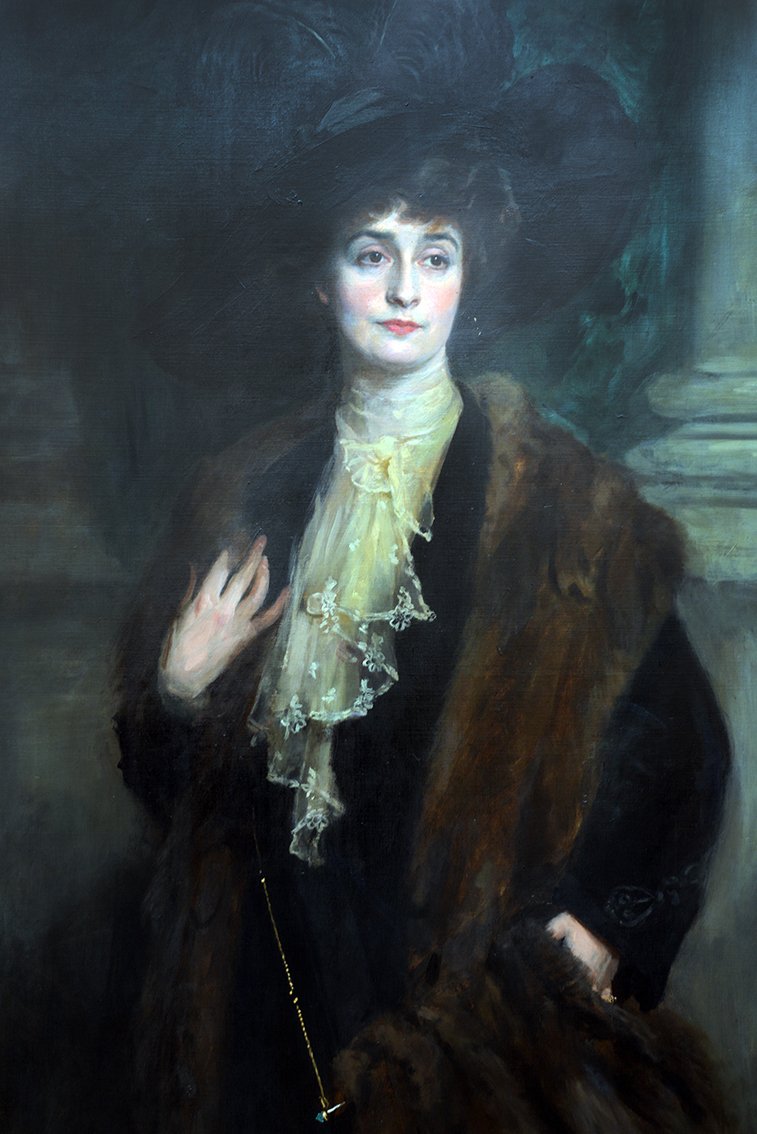
Catalogue No. 117
Patry Edward
Portrait of Mrs Philip Henderson
b.1856-1940
Oil on Canvas 60 x 40 ins. Signed
Patry Edward
Portrait of Mrs Philip Henderson
b.1856-1940
Oil on Canvas 60 x 40 ins. Signed
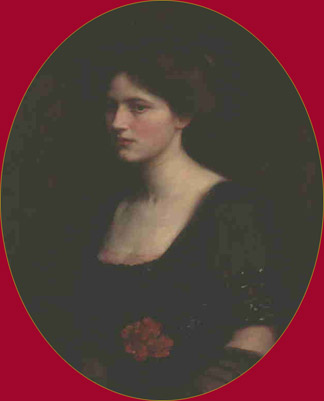
Catalogue No. 118
Waterhouse, John William
Portrait of Mrs Margaret Schreiber
1849-1917
Oil on Canvas 30 x 25 ins., oval Signed and Dated: J W Waterhouse 1912
Waterhouse, John William
Portrait of Mrs Margaret Schreiber
1849-1917
Oil on Canvas 30 x 25 ins., oval Signed and Dated: J W Waterhouse 1912
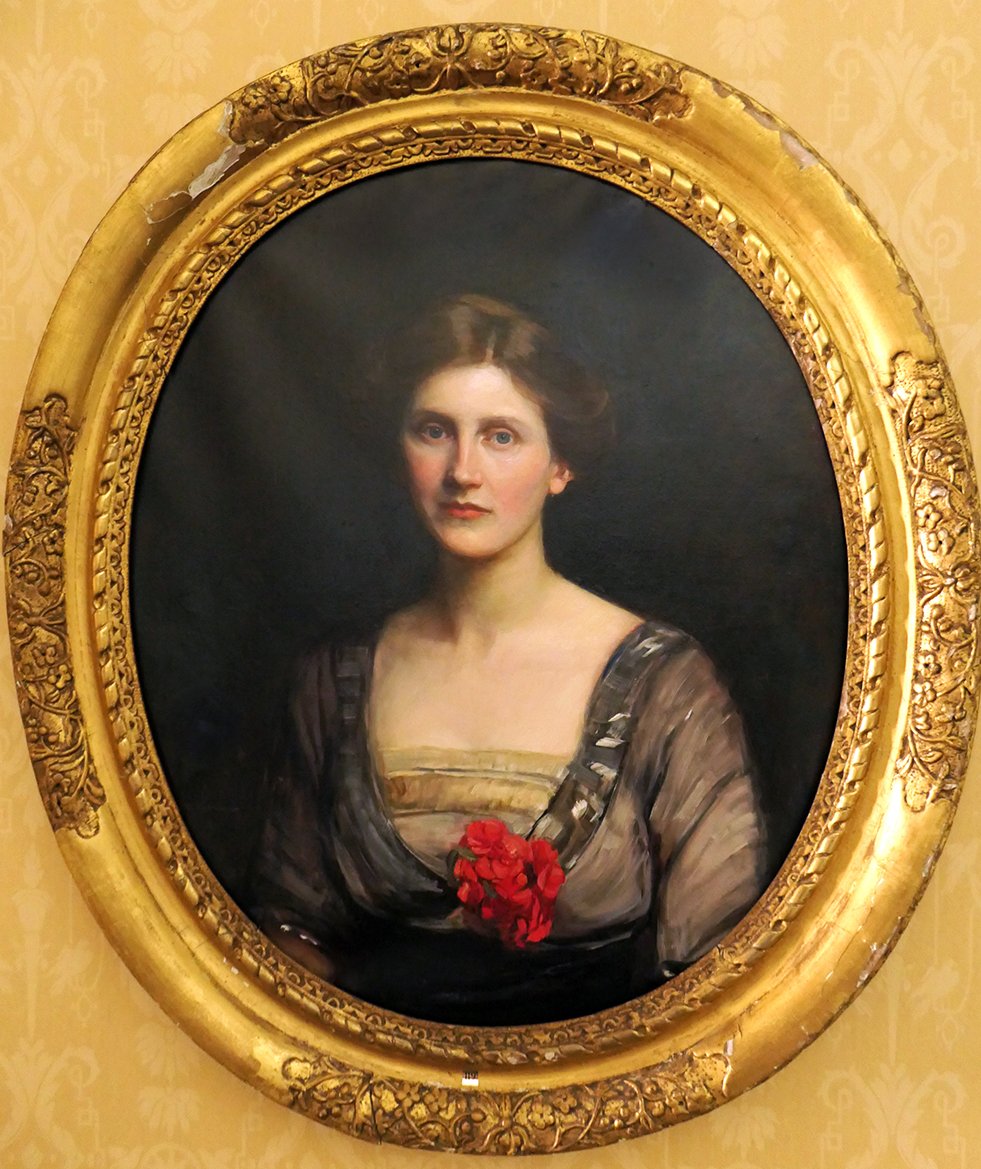
Catalogue No. 119
Waterhouse, John William
Portrait of Lady Violet Henderson
1849-1917
Oil on Canvas 30 x 25 ins., oval Signed: J Waterhouse
Waterhouse, John William
Portrait of Lady Violet Henderson
1849-1917
Oil on Canvas 30 x 25 ins., oval Signed: J Waterhouse
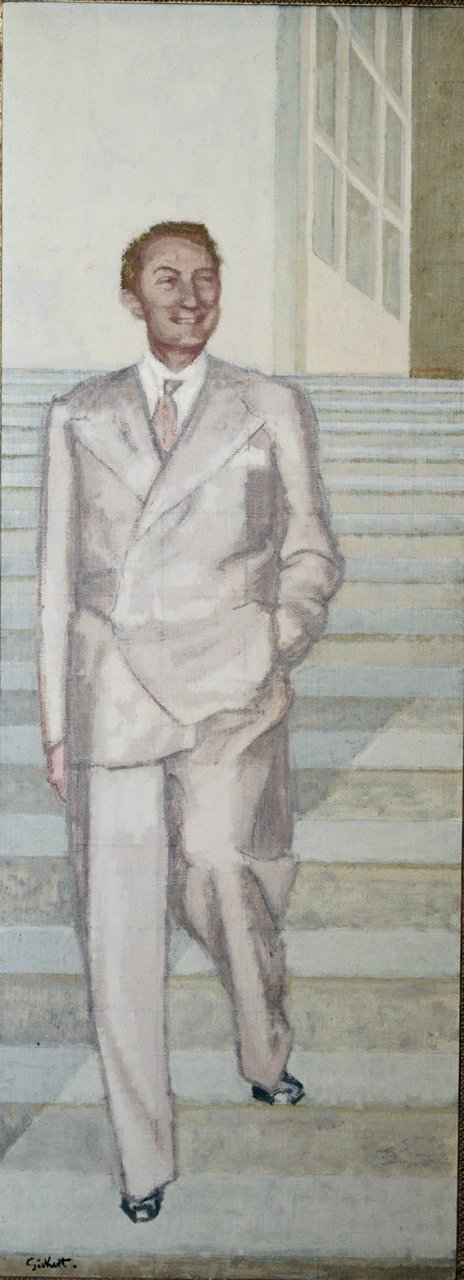
Catalogue No. 122
Sickert, Walter Richard Ass. RA
Portrait of 2nd Lord Faringdon
1860-1942
Oil on Canvas 228 x 84 cms
Sickert, Walter Richard Ass. RA
Portrait of 2nd Lord Faringdon
1860-1942
Oil on Canvas 228 x 84 cms
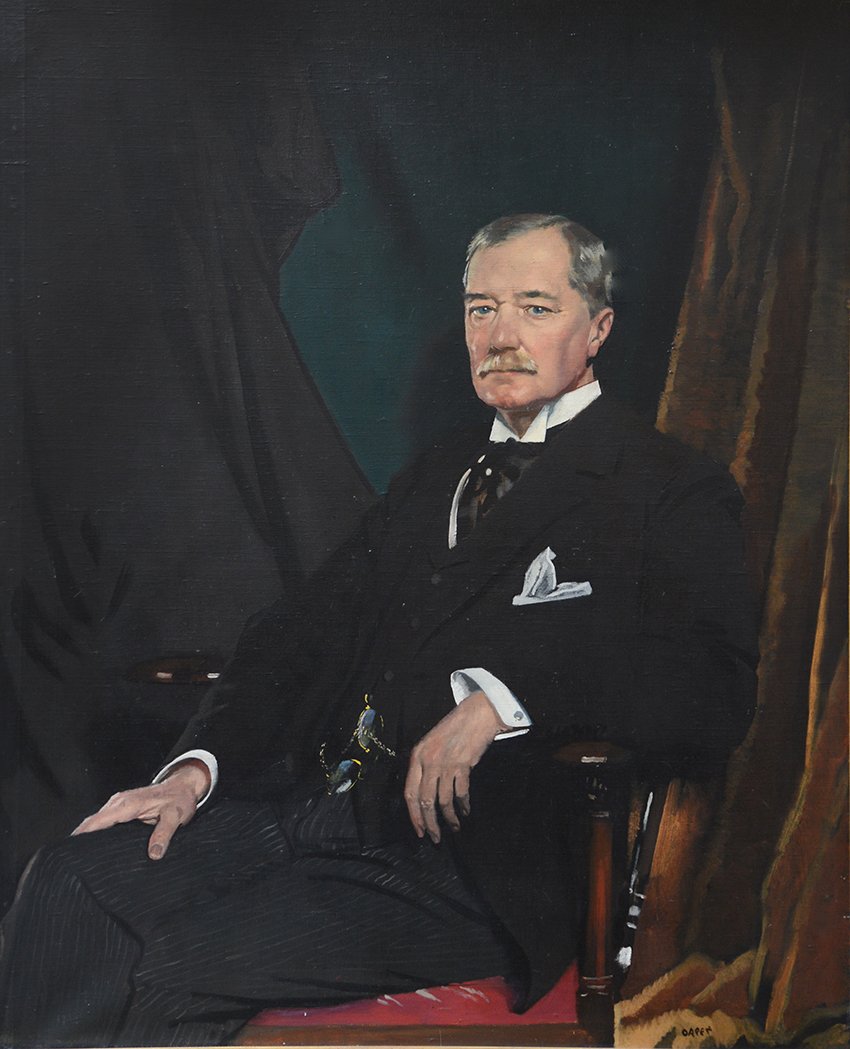
Catalogue No. 123
Orpen, Sir William, R A, R H A.
Portrait of Alexander, 1st Lord Faringdon, C H
1878-1931
Oil on Canvas 49½ x 39½ ins. Signed: Orpen
Orpen, Sir William, R A, R H A.
Portrait of Alexander, 1st Lord Faringdon, C H
1878-1931
Oil on Canvas 49½ x 39½ ins. Signed: Orpen
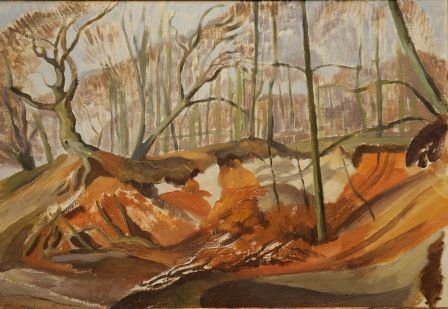
Catalogue No. 132
Nash, John RA
Chalk Pit
1893-1977
Oil on canvas 15½ x 22¾ ins. Signed ll: John Nash
Nash, John RA
Chalk Pit
1893-1977
Oil on canvas 15½ x 22¾ ins. Signed ll: John Nash
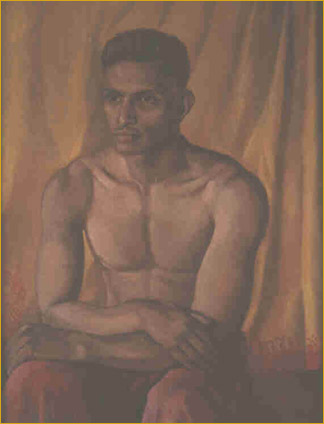
Catalogue No. 133
Winzer, Charles
A Ceylonese Man
b.1886-d.1940
Oil on Canvas 33¾ x 25¾ ins. Initialled
Winzer, Charles
A Ceylonese Man
b.1886-d.1940
Oil on Canvas 33¾ x 25¾ ins. Initialled
Catalogue No. 143
Kelly, Felix
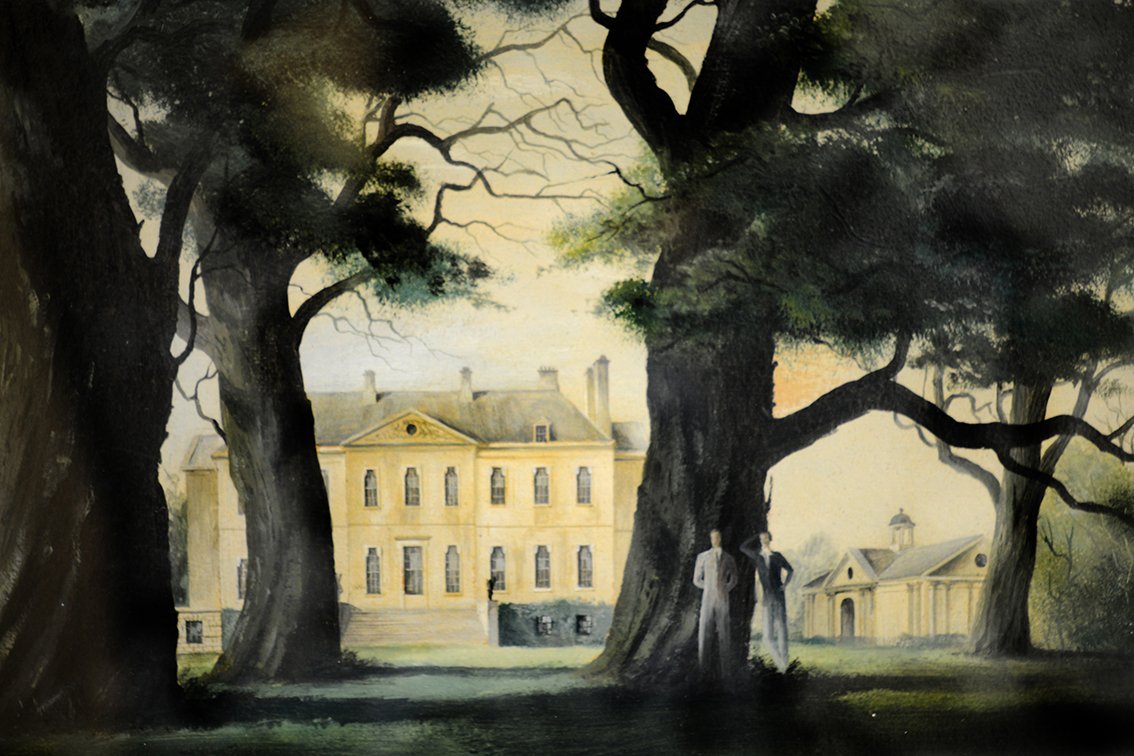
Buscot Park from the south, with two figures
b.1916-1994
Oil on Canvas 12 x 16 ins. Signed and Dated: Felix Kelly 44
Kelly, Felix
Buscot Park from the south, with two figures
b.1916-1994
Oil on Canvas 12 x 16 ins. Signed and Dated: Felix Kelly 44
Catalogue No. 144
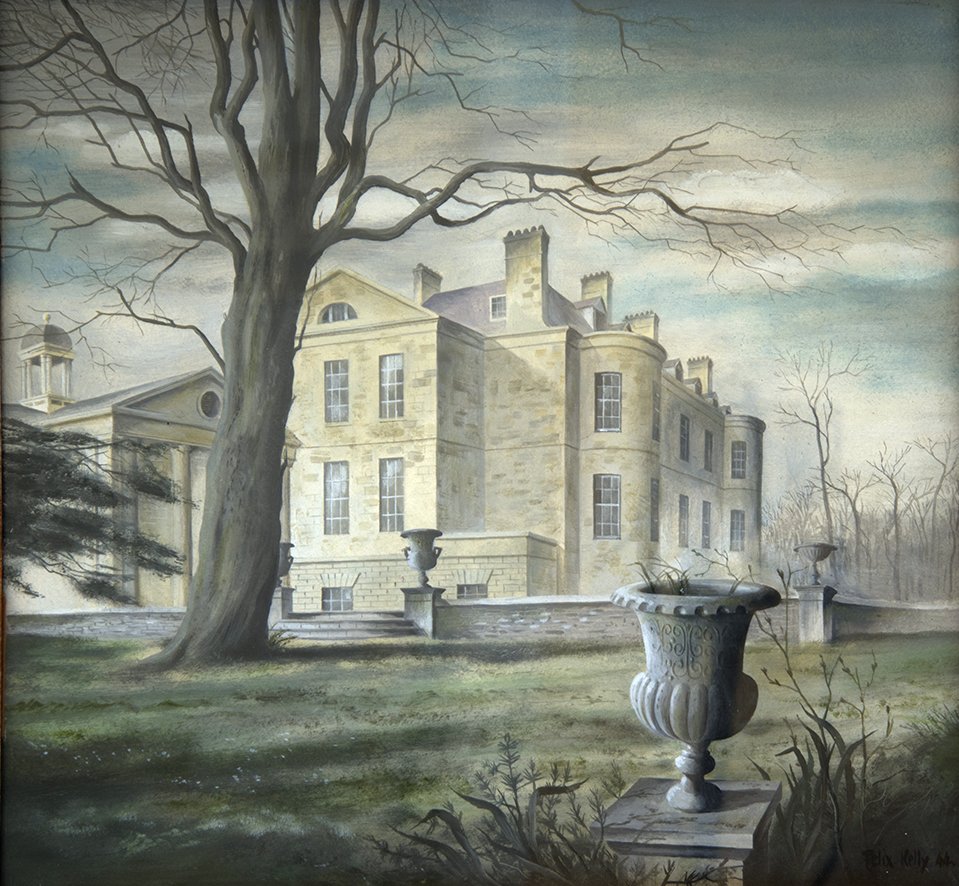
Kelly, Felix
Buscot Park from the north east
b.1916
Oil on Board 14½ x 15¼ ins Signed and Dated: Felix Kelly 44
Kelly, Felix
Buscot Park from the north east
b.1916
Oil on Board 14½ x 15¼ ins Signed and Dated: Felix Kelly 44
Catalogue No. 149
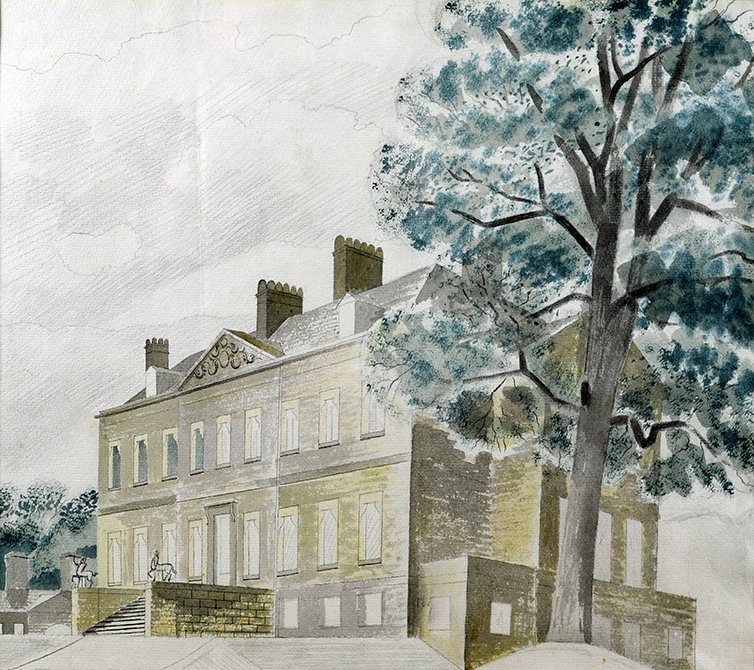
Ravilious, Eric
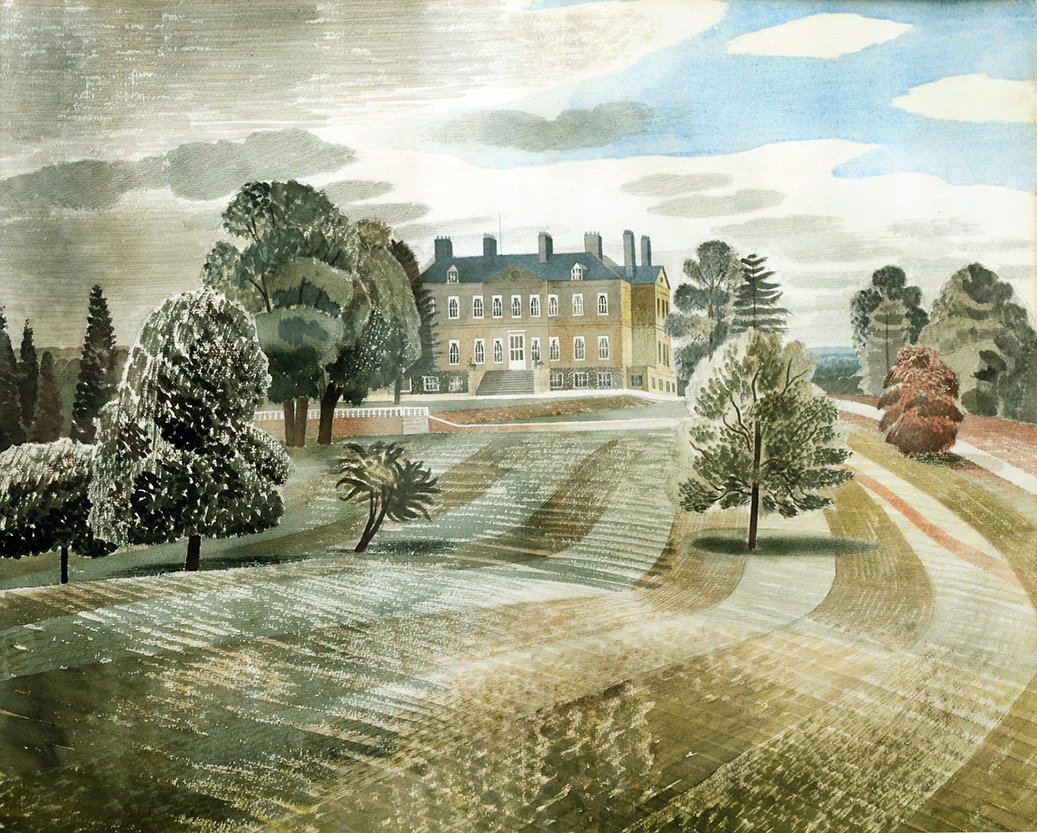
Buscot from the South Corner
1903-1942
Watercolour on Paper 12½ x 14½ ins.
Ravilious, Eric
Buscot from the South Corner
1903-1942
Watercolour on Paper 12½ x 14½ ins.
Catalogue No. 150
Fairfax Lucy, Sir Edmund, Bt.
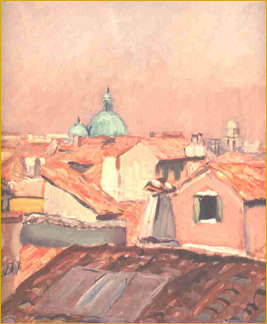
View of Calascibetta
b.1945
Oil on Board 16 x 13 ins.
Fairfax Lucy, Sir Edmund, Bt.
View of Calascibetta
b.1945
Oil on Board 16 x 13 ins.
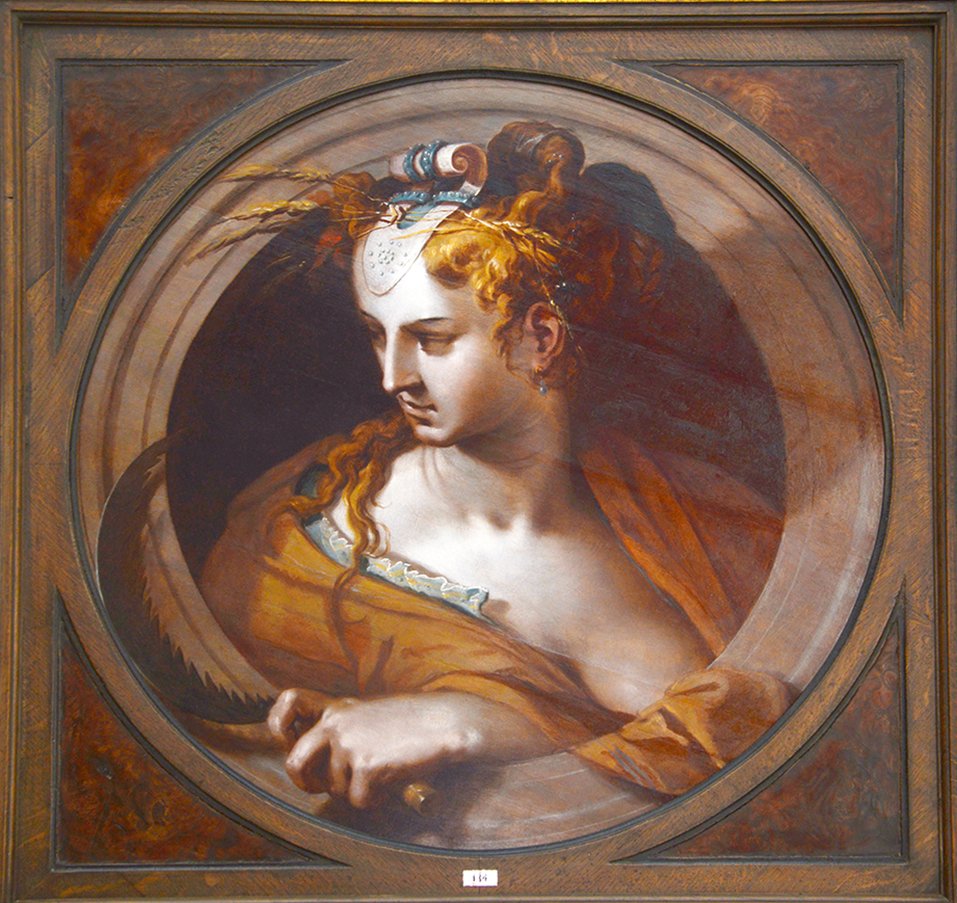
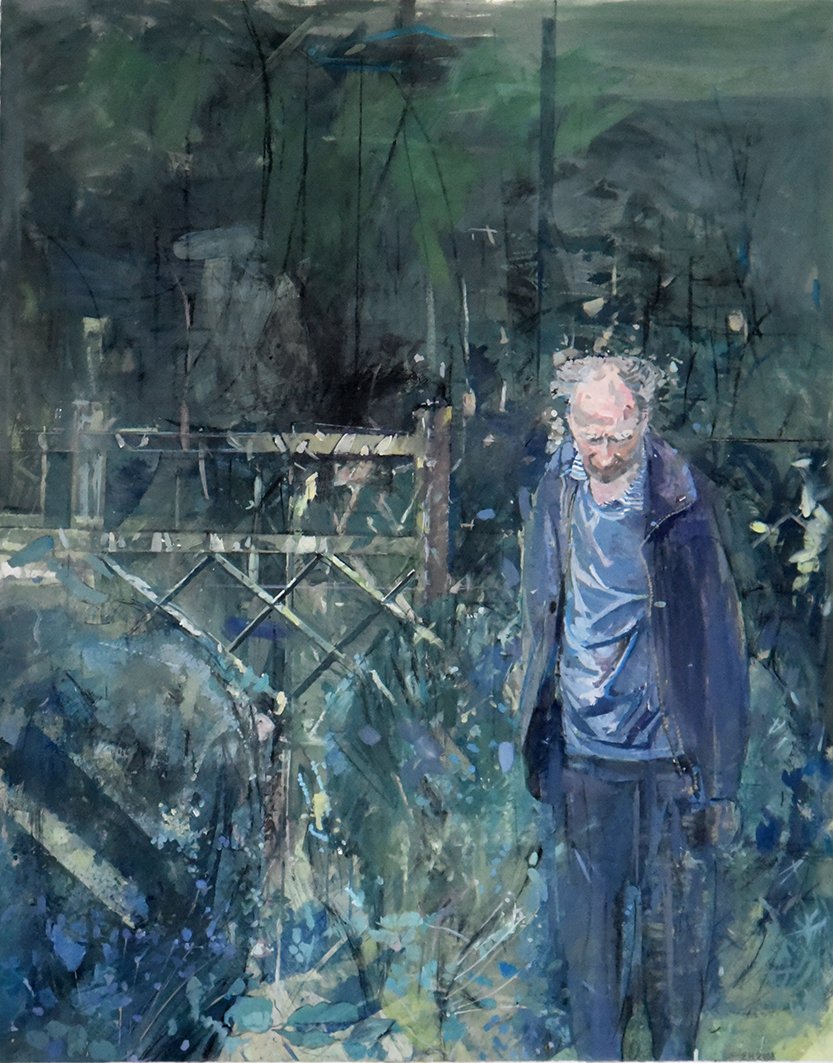
Catalogue No. 195
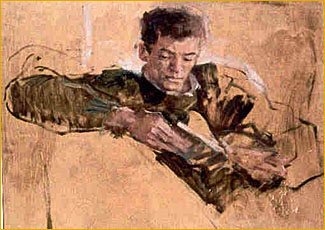
Hogan, Eileen
Ian Hamilton Finlay at Little Sparta
b.1946
Oil and Charcoal on Paper
Hogan, Eileen
Ian Hamilton Finlay at Little Sparta
b.1946
Oil and Charcoal on Paper
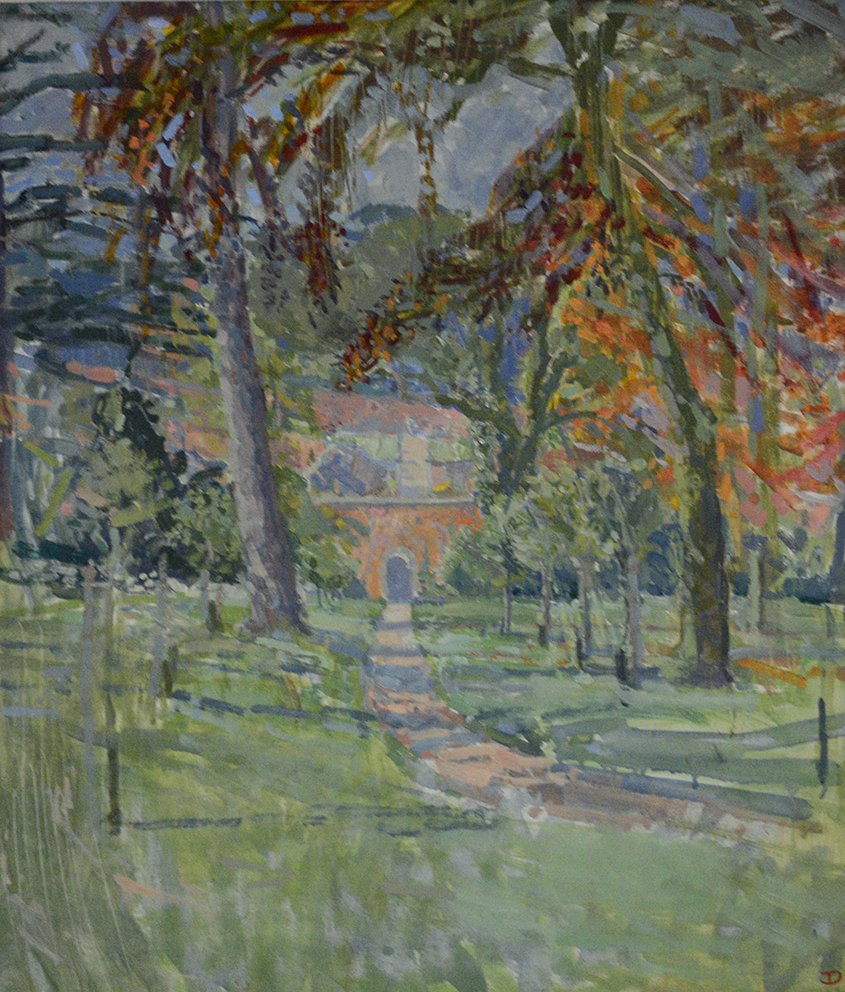
Catalogue No. 223
Dowling, Jane
Parents' Walk , Buscot
b.1925
Oil on Board 17¼ x 14¾ ins Initialled
Dowling, Jane
Parents' Walk , Buscot
b.1925
Oil on Board 17¼ x 14¾ ins Initialled
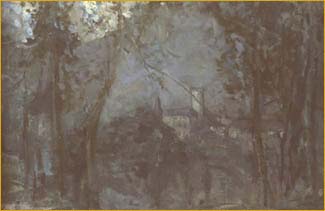
Catalogue No. 225
Greenham, Peter RA
Castle of Duingt, Near Annecy
b.1909-1992
Oil on Board 15 x 19½ ins
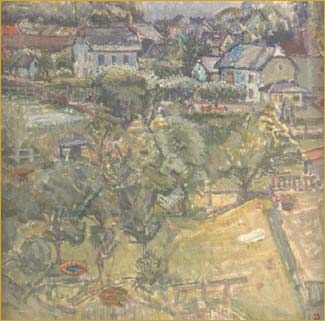
Greenham, Peter RA
Castle of Duingt, Near Annecy
b.1909-1992
Oil on Board 15 x 19½ ins
Catalogue No. 227
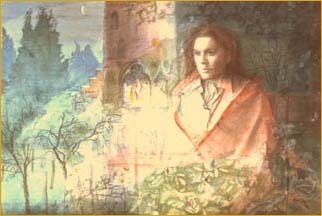
Ward, Celia
The Churchyard, Norfolk
b.1957
Watercolour 18½ x 28½ ins Signed and Dated
Ward, Celia
The Churchyard, Norfolk
b.1957
Watercolour 18½ x 28½ ins Signed and Dated
Catalogue No. 228
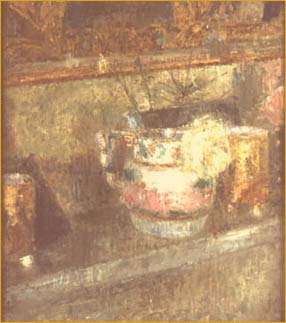
Fairfax Lucy, Sir Edmund, Bt.
Lustre Jug With Rose
b.1945
Oil on Board 13 x 15 ins
Fairfax Lucy, Sir Edmund, Bt.
Lustre Jug With Rose
b.1945
Oil on Board 13 x 15 ins
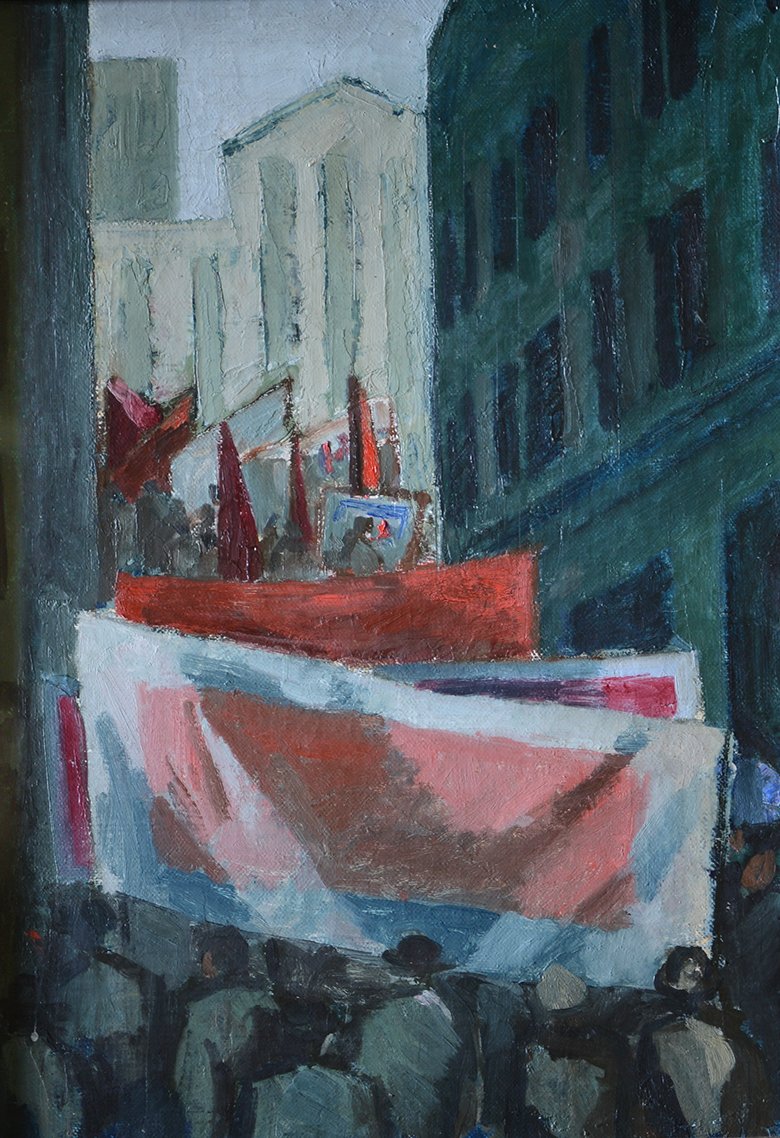
Catalogue No. 234
Bell, Quentin
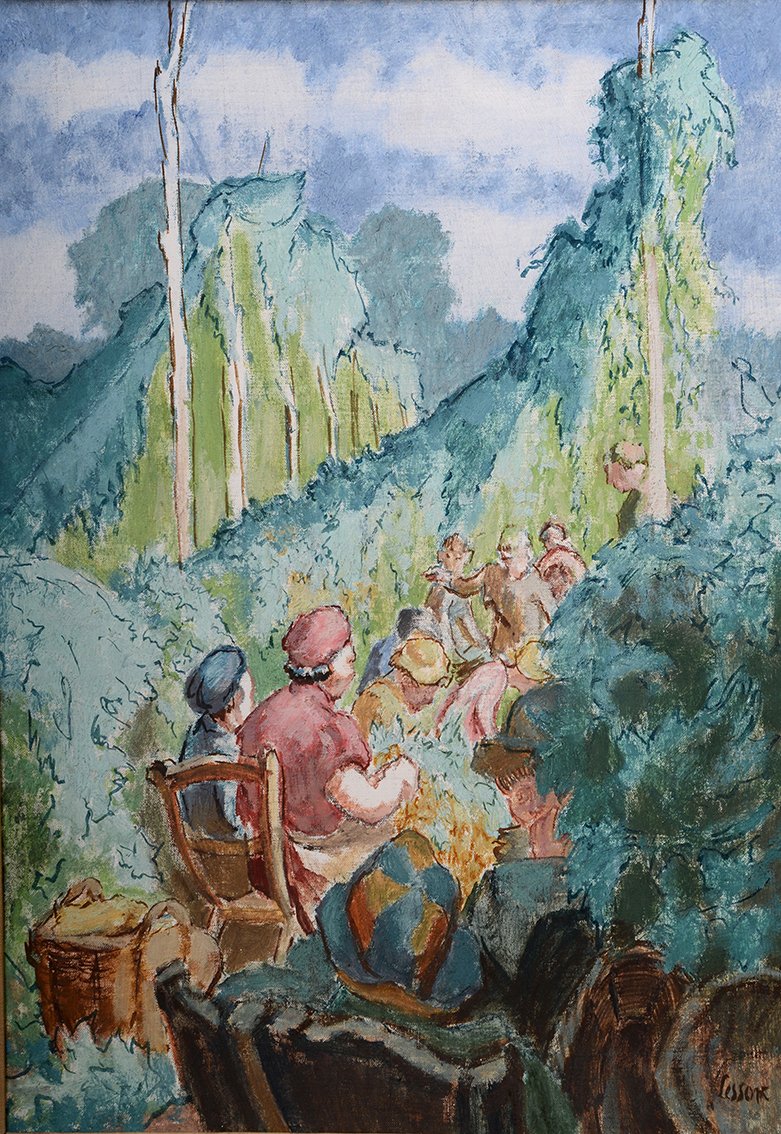
May Day Procession with Banners
1910-1996
Oil on Canvas 21½ x 15½ins
Bell, Quentin
May Day Procession with Banners
1910-1996
Oil on Canvas 21½ x 15½ins
Catalogue No. 238
Greenham, Peter RA
Otmoor, August
b.1909-1992
Oil on Board 13 x 21 ins Signed: P.G.
Greenham, Peter RA
Otmoor, August
b.1909-1992
Oil on Board 13 x 21 ins Signed: P.G.
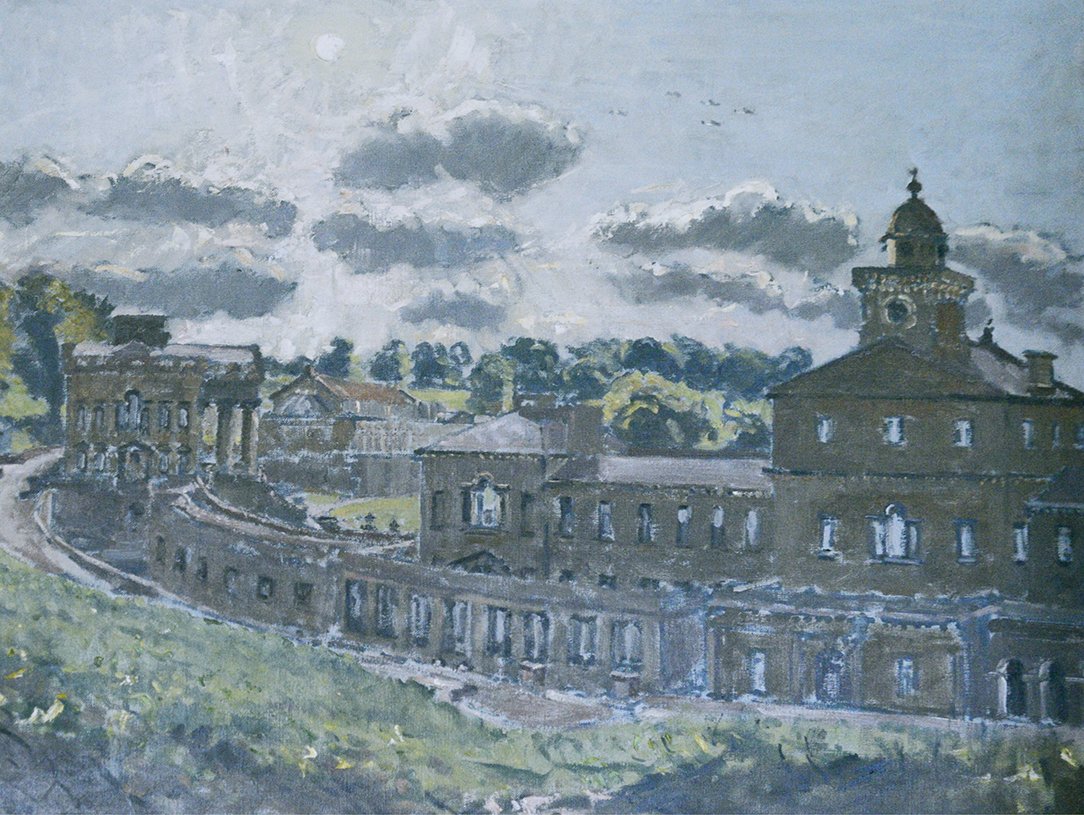
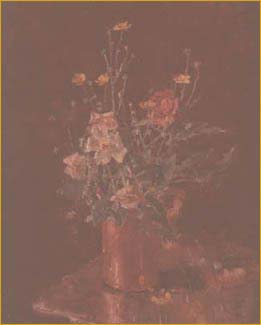
Catalogue No. 240
Gwynne Jones, Allan RA
Roses and Buttercups In a Copper Jug, 1971
1892-1982
Oil on Canvas 17¾ x 14 ins
Gwynne Jones, Allan RA
Roses and Buttercups In a Copper Jug, 1971
1892-1982
Oil on Canvas 17¾ x 14 ins
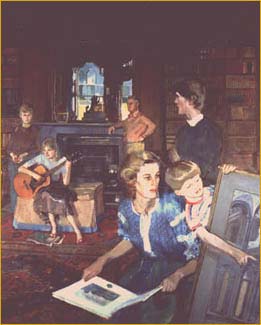
Catalogue No. 241
Ward, John RA
Lord and Lady Faringdon and Their Children
1917-2007
Oil on canvas 50½ x 41 ins Signed: John Ward
Ward, John RA
Lord and Lady Faringdon and Their Children
1917-2007
Oil on canvas 50½ x 41 ins Signed: John Ward
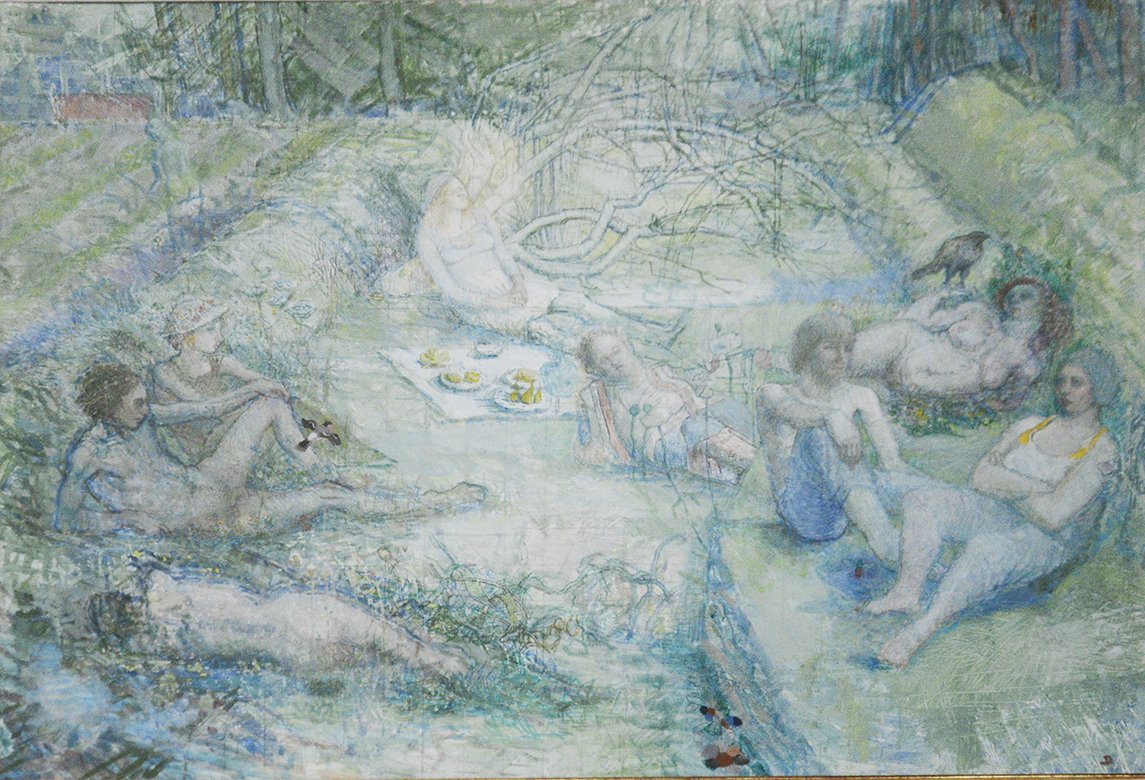
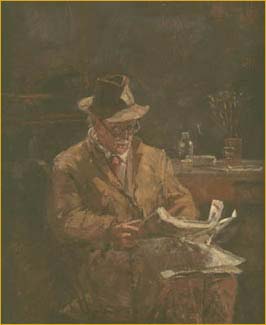
Catalogue No. 244
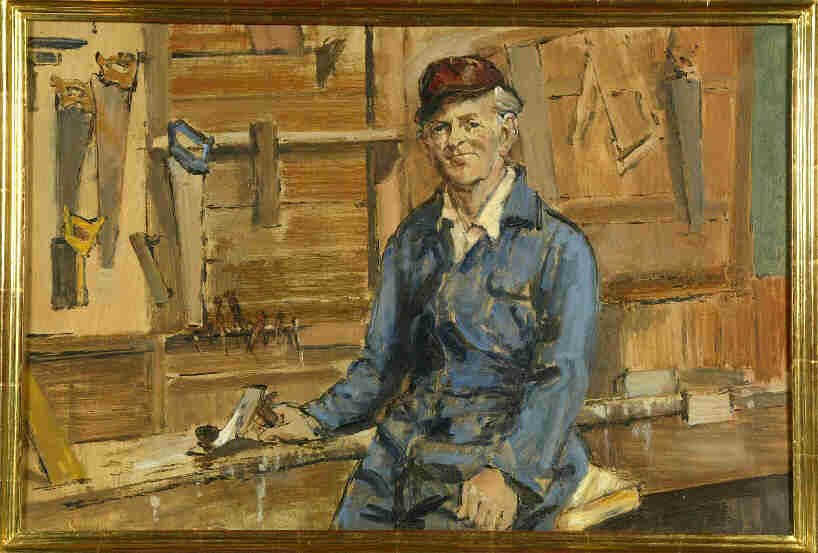
Gwynne Jones, Emily
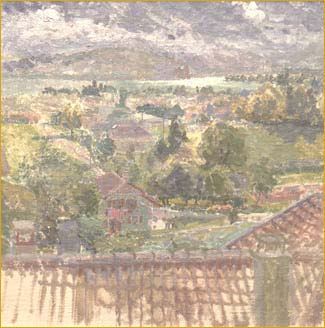
Study of Allan Gwynne Jones Reading a Newspaper
b.1948
Oil on Board 12¼ x 10¼ ins
Gwynne Jones, Emily
Study of Allan Gwynne Jones Reading a Newspaper
b.1948
Oil on Board 12¼ x 10¼ ins
Catalogue No. 248
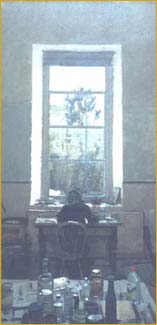
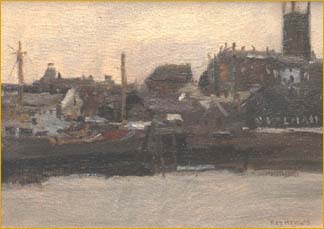
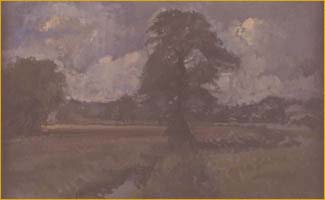
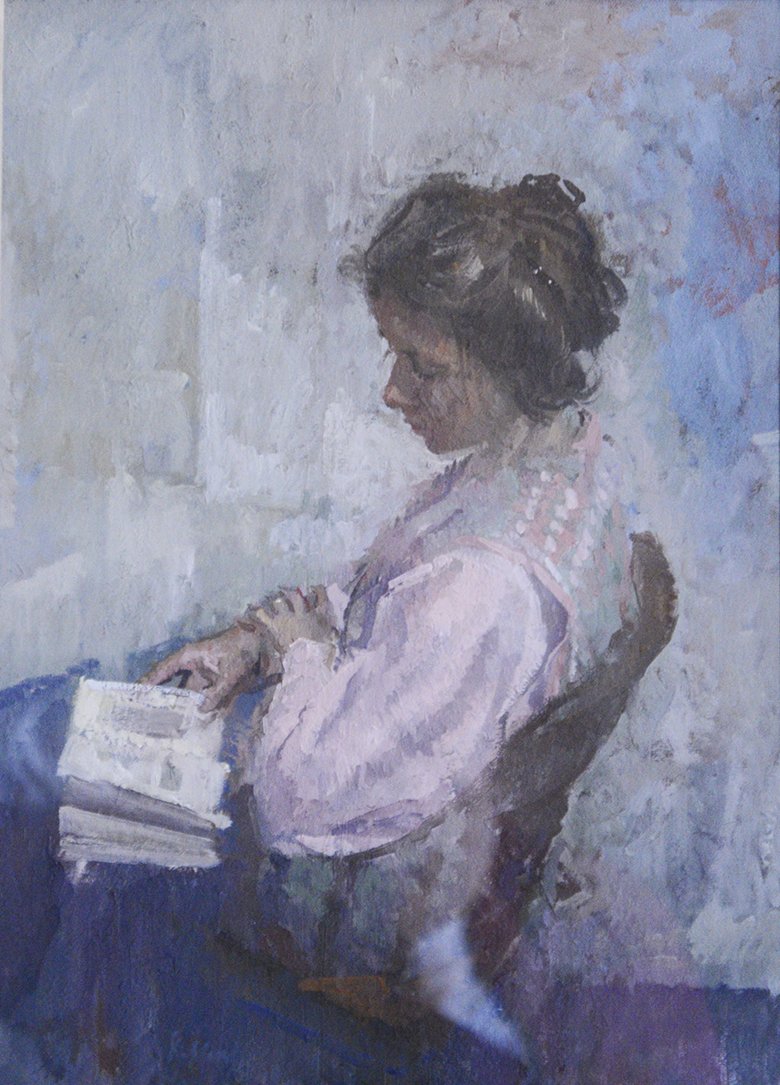
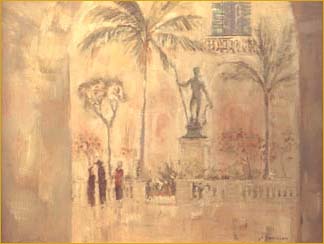
Howard, Ken, RA
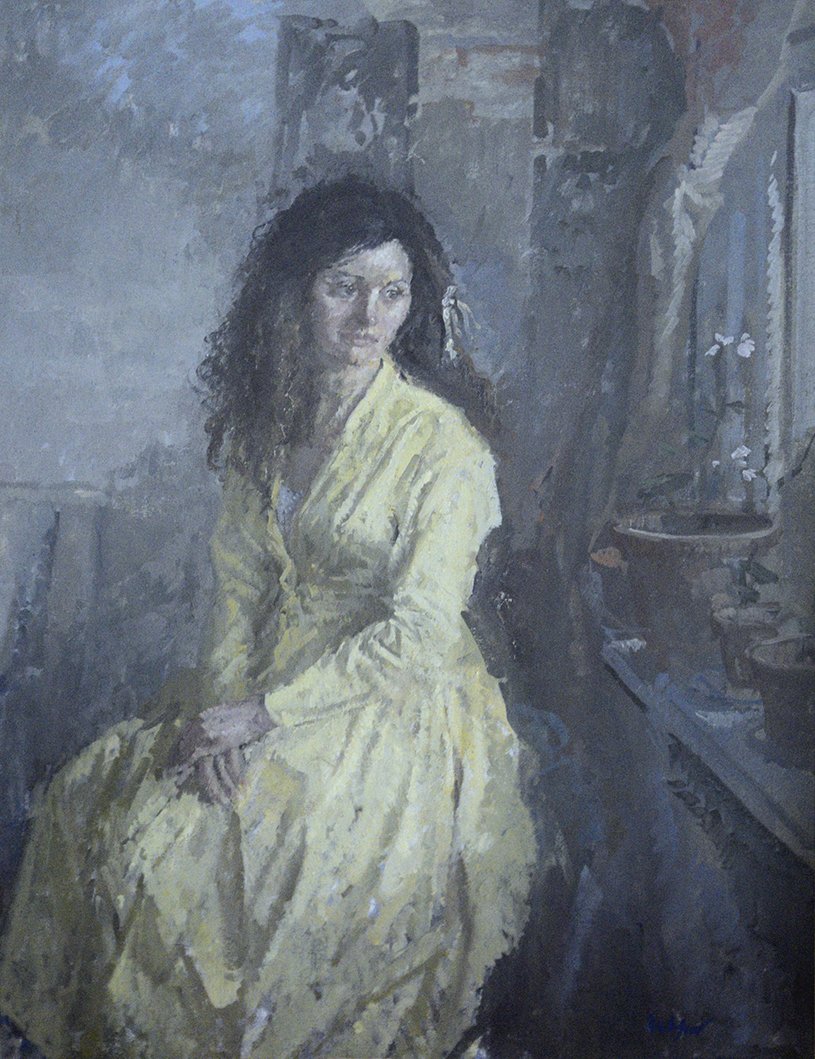
Christa, the Artist's Wife
b.1932
Oil on canvas 48 x 24 ins Signed
Howard, Ken, RA
Christa, the Artist's Wife
b.1932
Oil on canvas 48 x 24 ins Signed
Catalogue No. 275
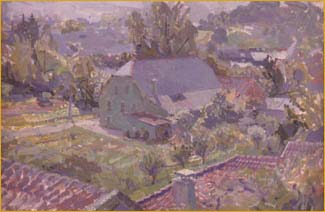
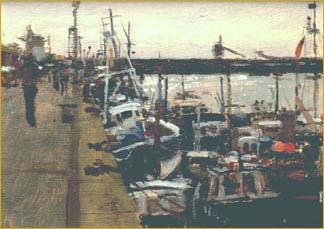
Dunstan, Bernard RA
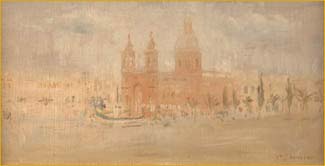
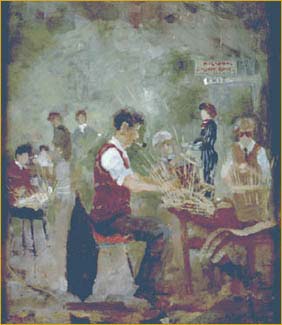
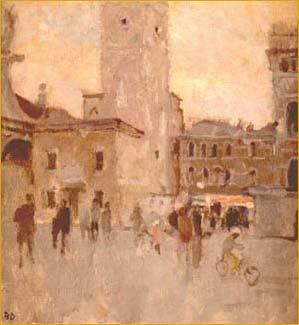
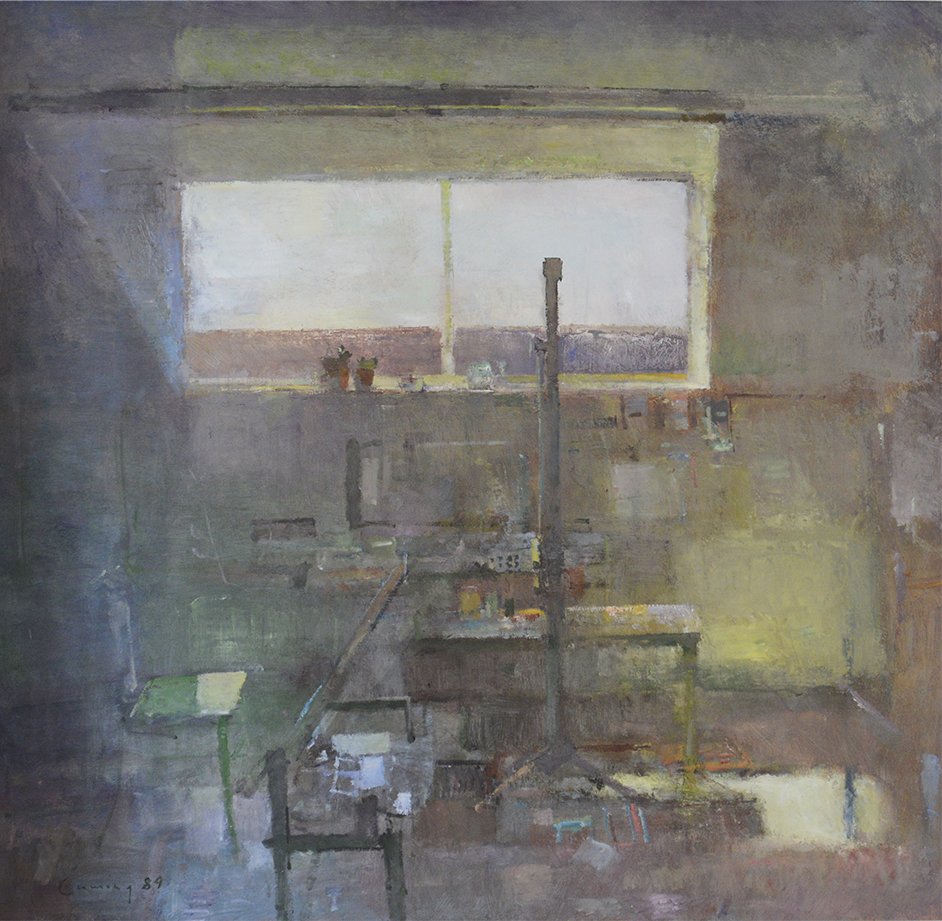
Dusk, Campo Sta Maria Formosa 12/88
1920-2017
Oil on Board 11 x 10 ins Initialled
Dunstan, Bernard RA
Dusk, Campo Sta Maria Formosa 12/88
1920-2017
Oil on Board 11 x 10 ins Initialled
Catalogue No. 278
Fairfax Lucy, Sir Edmund, Bt.
Still Life With Harebells
b.1945
Oil on Canvas 15 x 11 ins.
Fairfax Lucy, Sir Edmund, Bt.
Still Life With Harebells
b.1945
Oil on Canvas 15 x 11 ins.
Catalogue No. 295
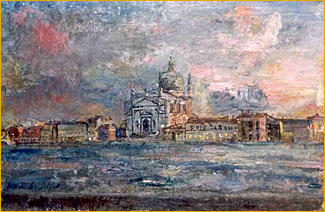
Fairfax Lucy, Sir Edmund, Bt.
San Giorgio Maggiore (Venice)
b.1945
Oil on Canvas on Board 12 x 18 ins
Fairfax Lucy, Sir Edmund, Bt.
San Giorgio Maggiore (Venice)
b.1945
Oil on Canvas on Board 12 x 18 ins
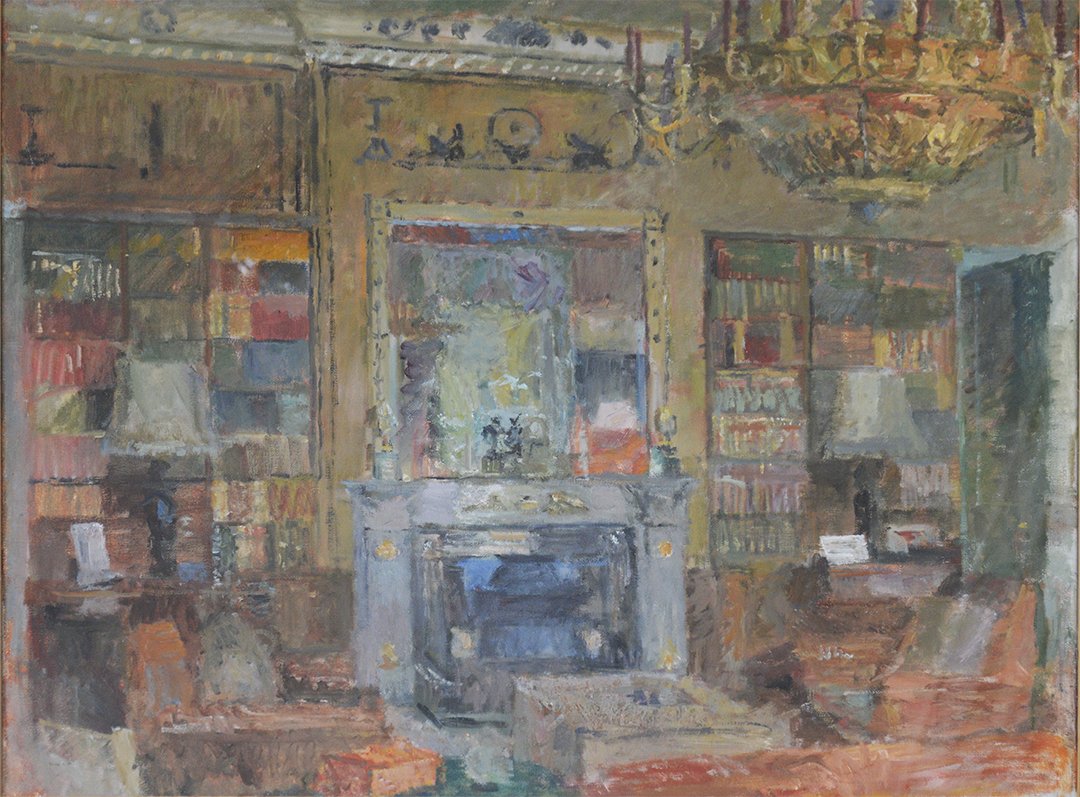
Catalogue No. 393
Fairfax Lucy, Sir Edmund, Bt.
Library Fireplace and Chandelier, Barnsley Park
b.1945
Oil on canvas 28 ins x 32 ins
Fairfax Lucy, Sir Edmund, Bt.
Library Fireplace and Chandelier, Barnsley Park
b.1945
Oil on canvas 28 ins x 32 ins
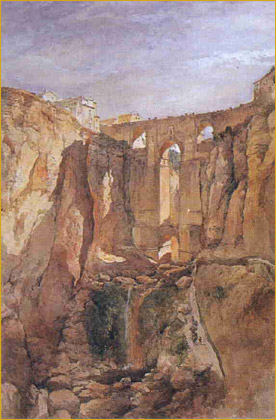
Catalogue No. 458
Goodall, Edward Angelo R W S
The Gorge, Ronda, Spain
1819-1908
Watercolour 20½ x 13¾ ins.
Goodall, Edward Angelo R W S
The Gorge, Ronda, Spain
1819-1908
Watercolour 20½ x 13¾ ins.
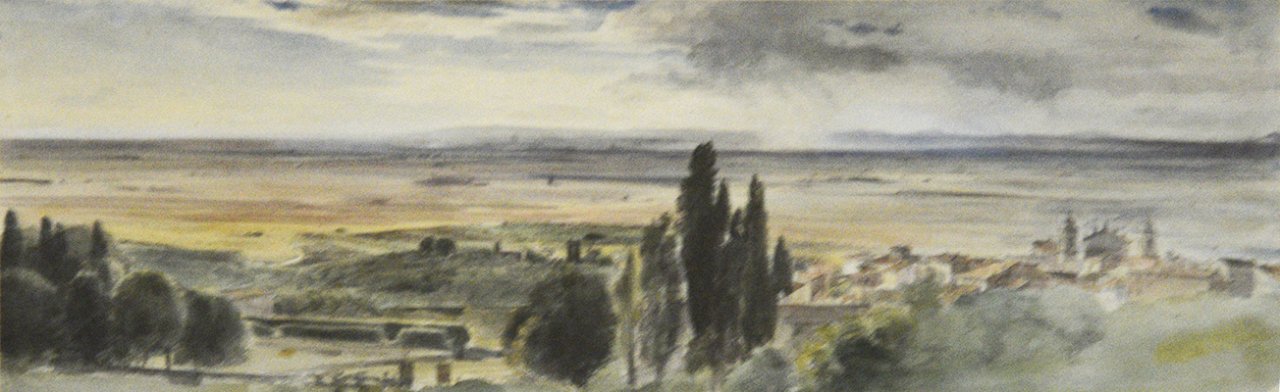
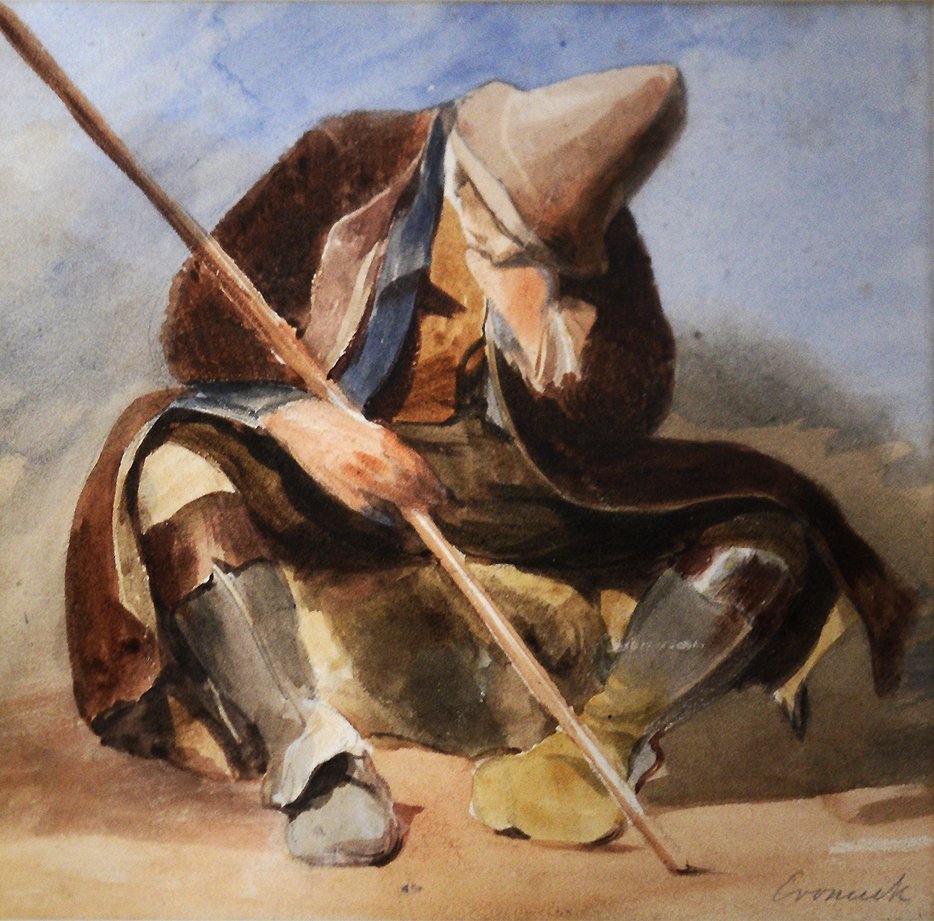
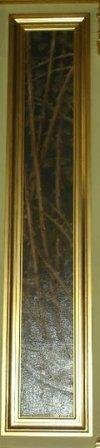
Catalogue No. 589
Burne-Jones, Sir Edward Coley, Bt., A.R.A.
Briar Rose Infill Panel - Left of the Briar Wood
1833-1898
Oil on Canvas 45¼ x 5¾ ins.
Burne-Jones, Sir Edward Coley, Bt., A.R.A.
Briar Rose Infill Panel - Left of the Briar Wood
1833-1898
Oil on Canvas 45¼ x 5¾ ins.
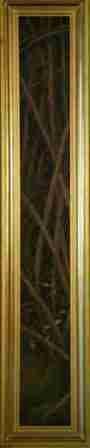
Catalogue No. 590
Burne-Jones, Sir Edward Coley, Bt., A.R.A.
Briar Rose Infill Panel - Right of the Briar Wood
1833-1898
Oil on Canvas 45½ x 5¾ ins.
Burne-Jones, Sir Edward Coley, Bt., A.R.A.
Briar Rose Infill Panel - Right of the Briar Wood
1833-1898
Oil on Canvas 45½ x 5¾ ins.
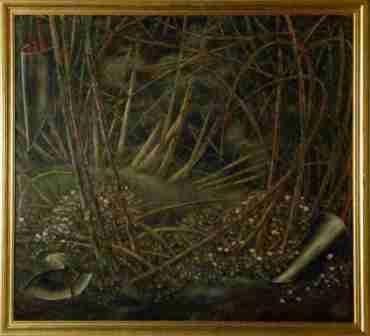
Catalogue No. 591
Burne-Jones, Sir Edward Coley, Bt., A.R.A.
Briars with Helmet and Greave - Infill Panel
1833-1898
Oil on Canvas 45¼ x 50¼ ins.
Burne-Jones, Sir Edward Coley, Bt., A.R.A.
Briars with Helmet and Greave - Infill Panel
1833-1898
Oil on Canvas 45¼ x 50¼ ins.
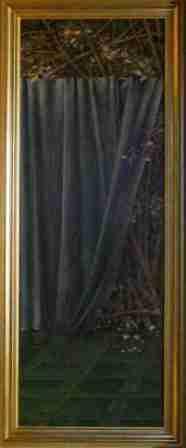
Catalogue No. 592
Burne-Jones, Sir Edward Coley, Bt., A.R.A.
Briar Rose Infill Panel - Left of the Council Chamber
1833-1898
45¼ x 15½ins
Burne-Jones, Sir Edward Coley, Bt., A.R.A.
Briar Rose Infill Panel - Left of the Council Chamber
1833-1898
45¼ x 15½ins
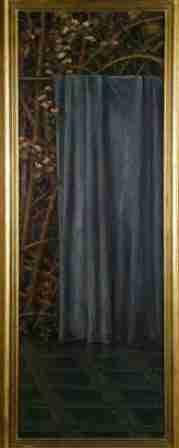
Catalogue No. 593
Burne-Jones, Sir Edward Coley, Bt., A.R.A.
Briar Rose Infill Panel - Right of the Council Chamber
Oil on Canvas 45¼ by 15½ ins.
Burne-Jones, Sir Edward Coley, Bt., A.R.A.
Briar Rose Infill Panel - Right of the Council Chamber
Oil on Canvas 45¼ by 15½ ins.
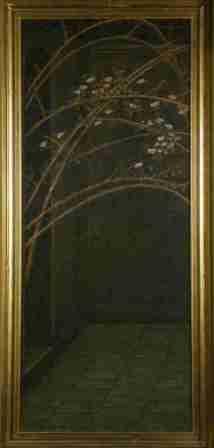
Catalogue No. 594
Burne-Jones, Sir Edward Coley, Bt., A.R.A.
Briar Rose Infill Panel - Left of the Garden Court
1833-1898
Oil on Canvas 45¼ x 18¾ ins.
Burne-Jones, Sir Edward Coley, Bt., A.R.A.
Briar Rose Infill Panel - Left of the Garden Court
1833-1898
Oil on Canvas 45¼ x 18¾ ins.
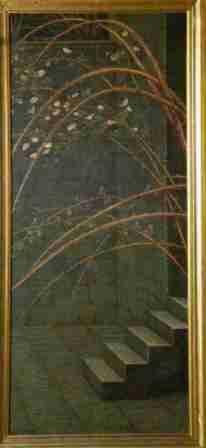
Catalogue No. 595
Burne-Jones, Sir Edward Coley, Bt., A.R.A.
Briar Rose Infill Panel - Right of the Garden Court
1833-1898
Oil on Canvas 45¼ x 18¾ ins.
Burne-Jones, Sir Edward Coley, Bt., A.R.A.
Briar Rose Infill Panel - Right of the Garden Court
1833-1898
Oil on Canvas 45¼ x 18¾ ins.
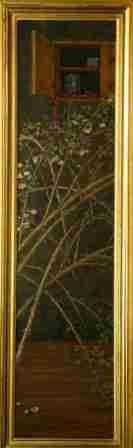
Catalogue No. 596
Burne-Jones, Sir Edward Coley, Bt., A.R.A.
Briar Rose Infill Panel - Left of the Rose Bower
1833-1898
Oil on Canvas 45¼ x 10¾ ins.
Burne-Jones, Sir Edward Coley, Bt., A.R.A.
Briar Rose Infill Panel - Left of the Rose Bower
1833-1898
Oil on Canvas 45¼ x 10¾ ins.
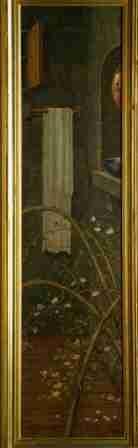
Catalogue No. 597
Burne-Jones, Sir Edward Coley, Bt., A.R.A.
Briar Rose Infill Panel - Right of the Rose Bower
1833-1898
Oil on Canvas 45½ x 10¾ ins.
Burne-Jones, Sir Edward Coley, Bt., A.R.A.
Briar Rose Infill Panel - Right of the Rose Bower
1833-1898
Oil on Canvas 45½ x 10¾ ins.
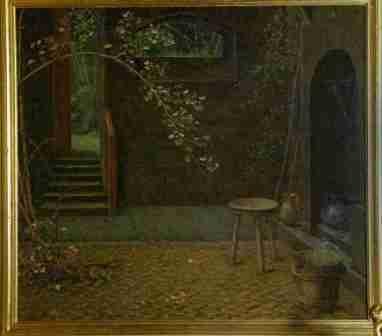
Catalogue No. 598
Burne-Jones, Sir Edward Coley, Bt., A.R.A.
A Stone Kitchen overgrown with Briars - Infill Panel
1833-1898
Oil on Canvas 45¼ x 50¼ ins.
Burne-Jones, Sir Edward Coley, Bt., A.R.A.
A Stone Kitchen overgrown with Briars - Infill Panel
1833-1898
Oil on Canvas 45¼ x 50¼ ins.
June 2026 Opening Days
M
T
W
T
F
S
S
1
2
3
4
5
6
7
8
9
10
11
12
13
14
15
16
17
18
19
20
21
22
23
24
25
26
27
28
29
30
 = House & Grounds Open
 = Grounds Open Only
 = Closed

View Us On:

 >
>
>
© 2026 Buscot Park
